1

Pharmacovigilance in United States of America

How is it with the drug safety system in the “Land of Opportunity“? Read our guide to get a clear picture.

And of course, if you feel you need a local consultant, we’re here for you.

Current status of our American pharmacovigilance services:

QPPV in USA

AVAILABLE

Easily managed through Tepsivo Platform >

Local Literature Screening

AVAILABLE

Automated monitoring with Tepsivo Literature >

Who is the main PV authority in USA?
RESPONSIBILITY FOR NATIONAL PV SYSTEM

The main authority on pharmacovigilance is the U.S. Food and Drug Administration (FDA), headquartered in Maryland. The FDA is responsible for regulating the safety and efficacy of pharmaceuticals, including the monitoring of adverse drug reactions.

It operates primarily through its Center for Drug Evaluation and Research (CDER), which handles pharmacovigilance activities. There are no distinct regional centers specifically dedicated to pharmacovigilance; instead, the FDA manages these activities at the national level.

Interesting website sections related to pharmacovigilance
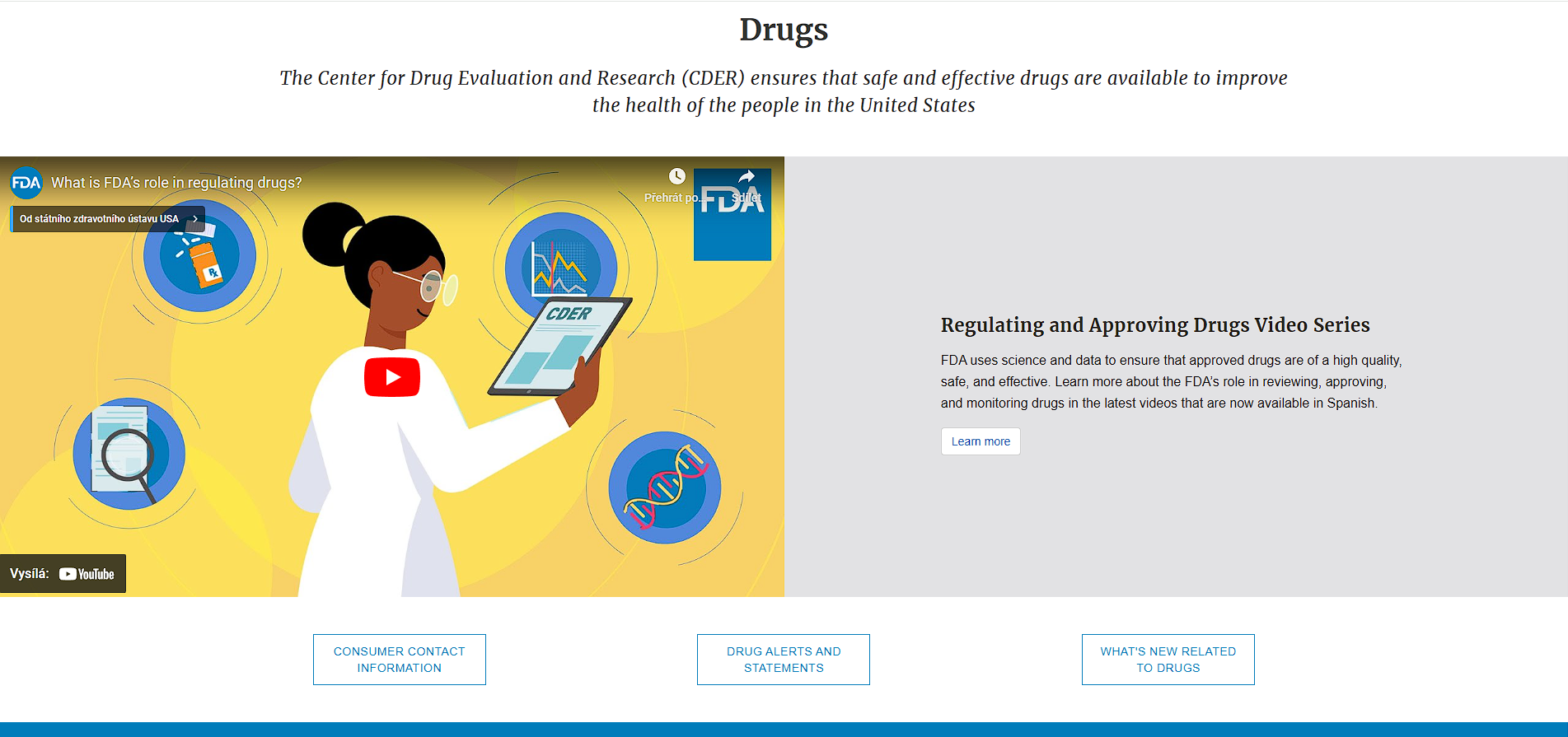
DRUGS

It’s simple as the title says, here you’ll find find basically everything regarding drugs in US, from shortages, safety, news to guidance.

Visit the section >

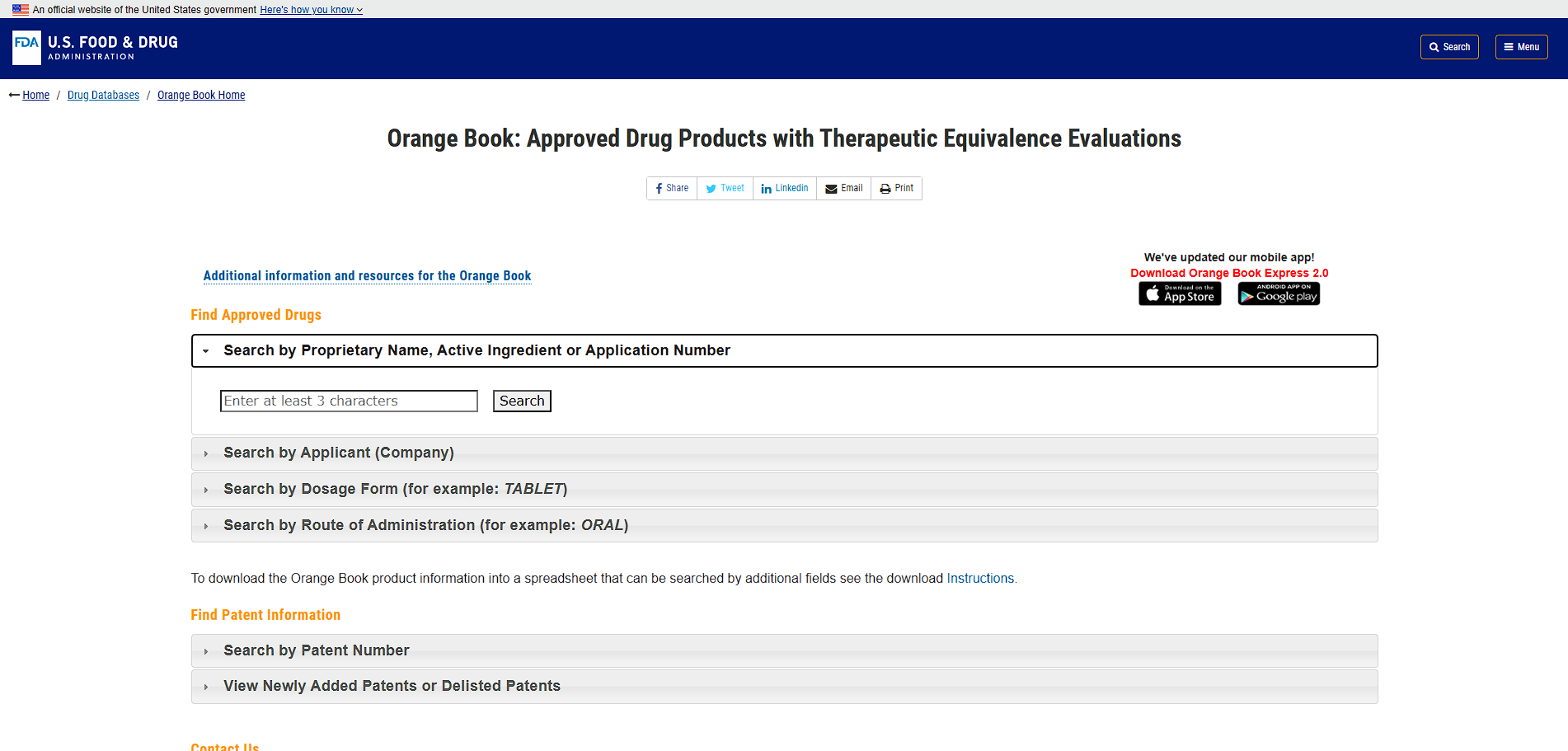
ORANGE BOOK

The Orange Book lists drug products that have been approved by the FDA, ensuring they are safe and effective The search can be done in many ways, you can simply use name, or applicant etc.

Visit the section >


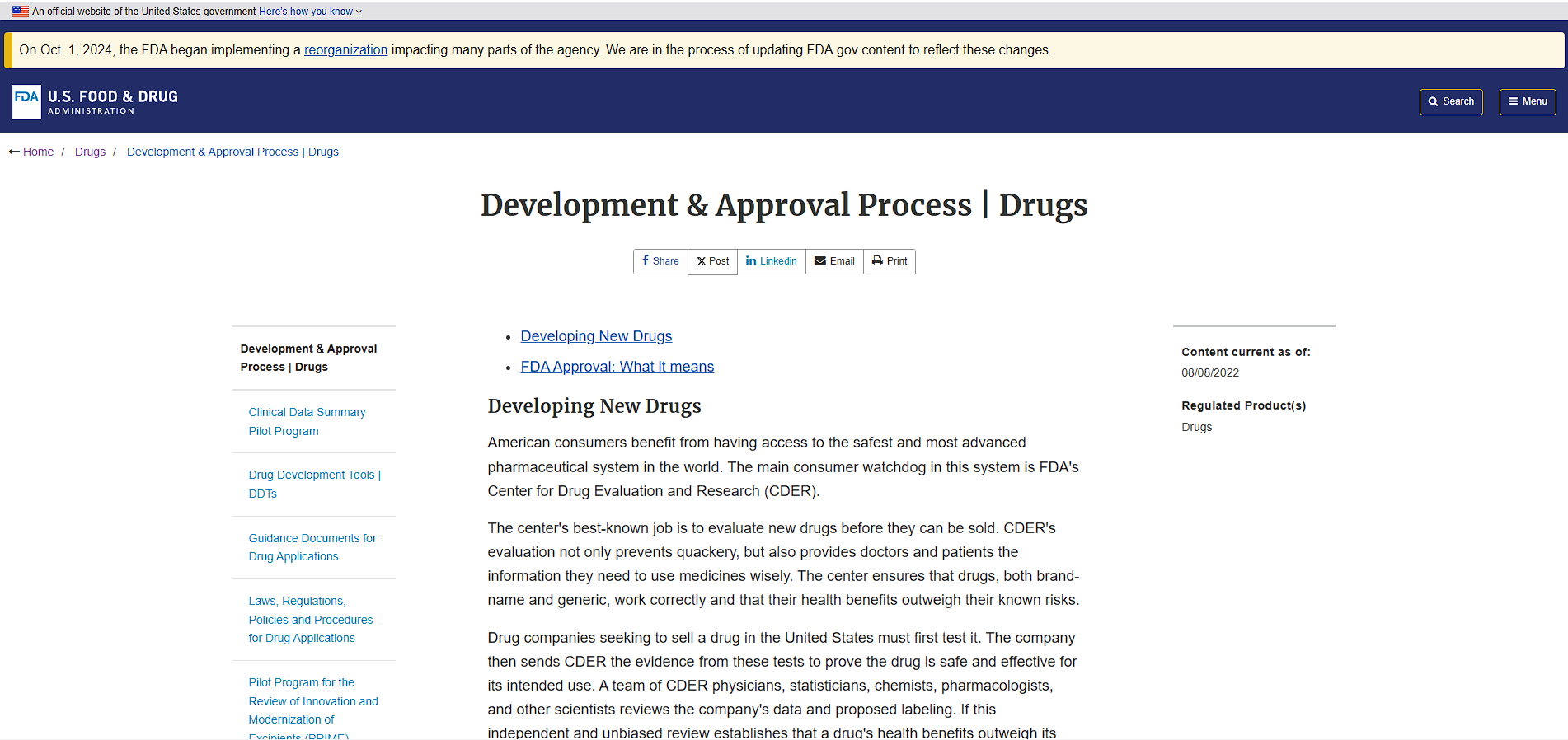
DEVELOPMENT & APPROVAL

This FDA’s article makes clearer for you what the approval from the main authority on drugs actually mean, it also offers you some links, one of them covers Drug Review Process step by step.

Visit the section >

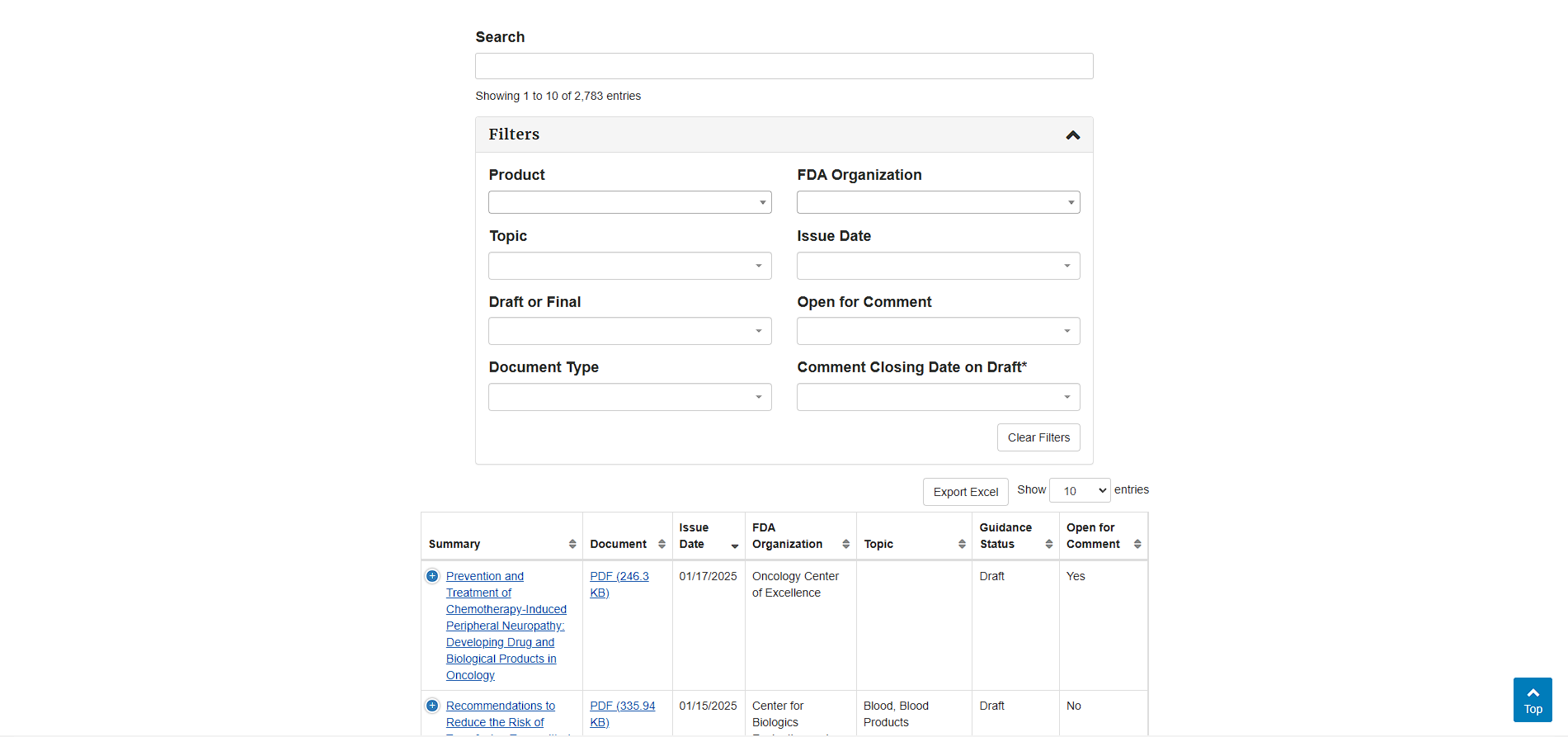
GUIDANCE DOCUMENTS

Here you can easily search for FDA guidance documents, all in one place. It’s good to start you search here, because usually when go to some section and see link for the guidance, it usually takes you into this database.

Visit the section >

APPROVAL & MAINTENANCE OF MA  

If you’re interested in the FDA’s scientific side, then definitely visit this section, here you can get your hand on many articles, studies etc. and explore many areas. Though, sometimes it’s not exactly the easiest thing to click through all that to the scientific materials.

Visit the section >

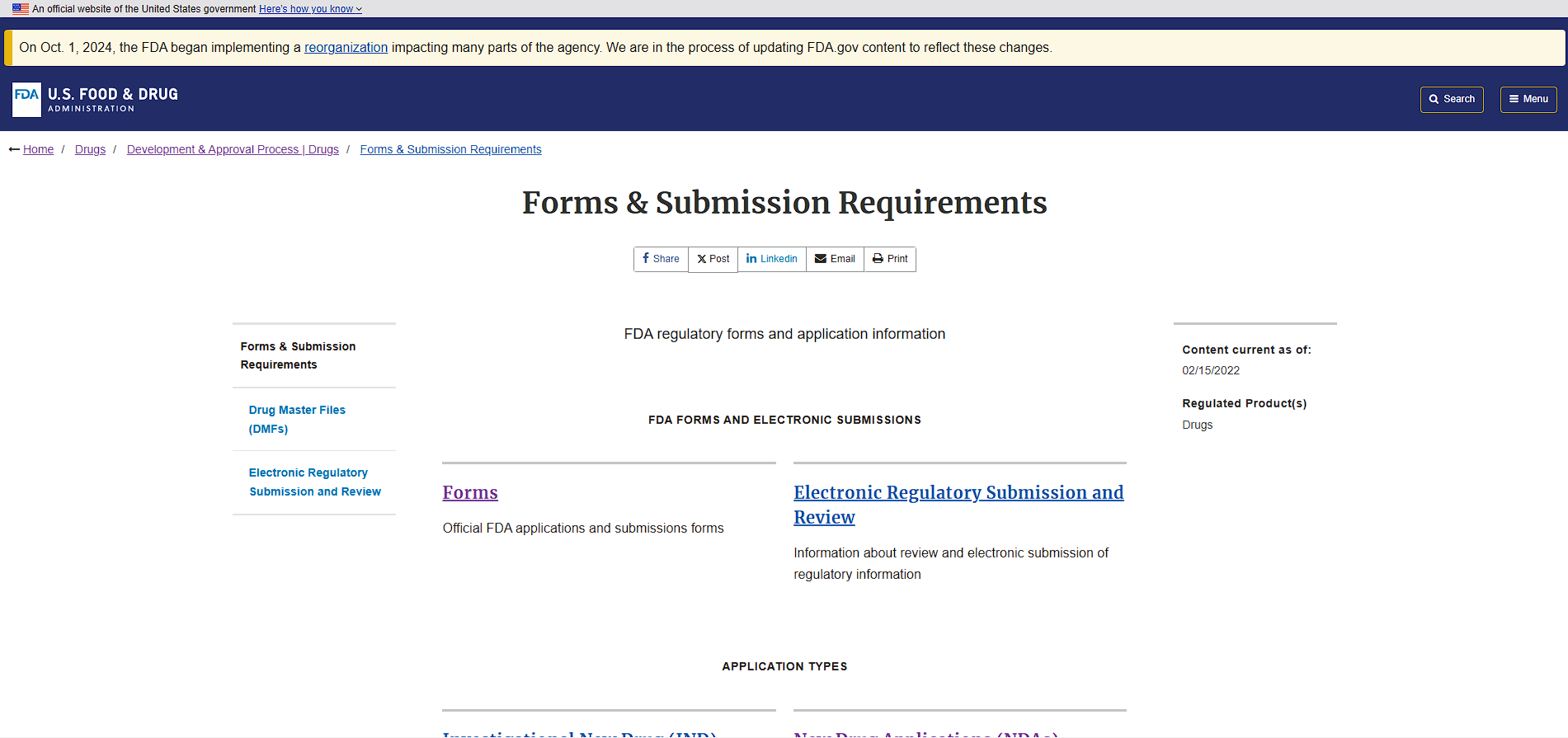
FORMS & SUBMISSION REQUIREMENTS

This page includes link for one big databse containing all the important forms, then there are also sections covering New Drug Applications (NDAs) or Drug Master Files (DMFs) and more.

Visit the section >

Other important institutions & industry groups
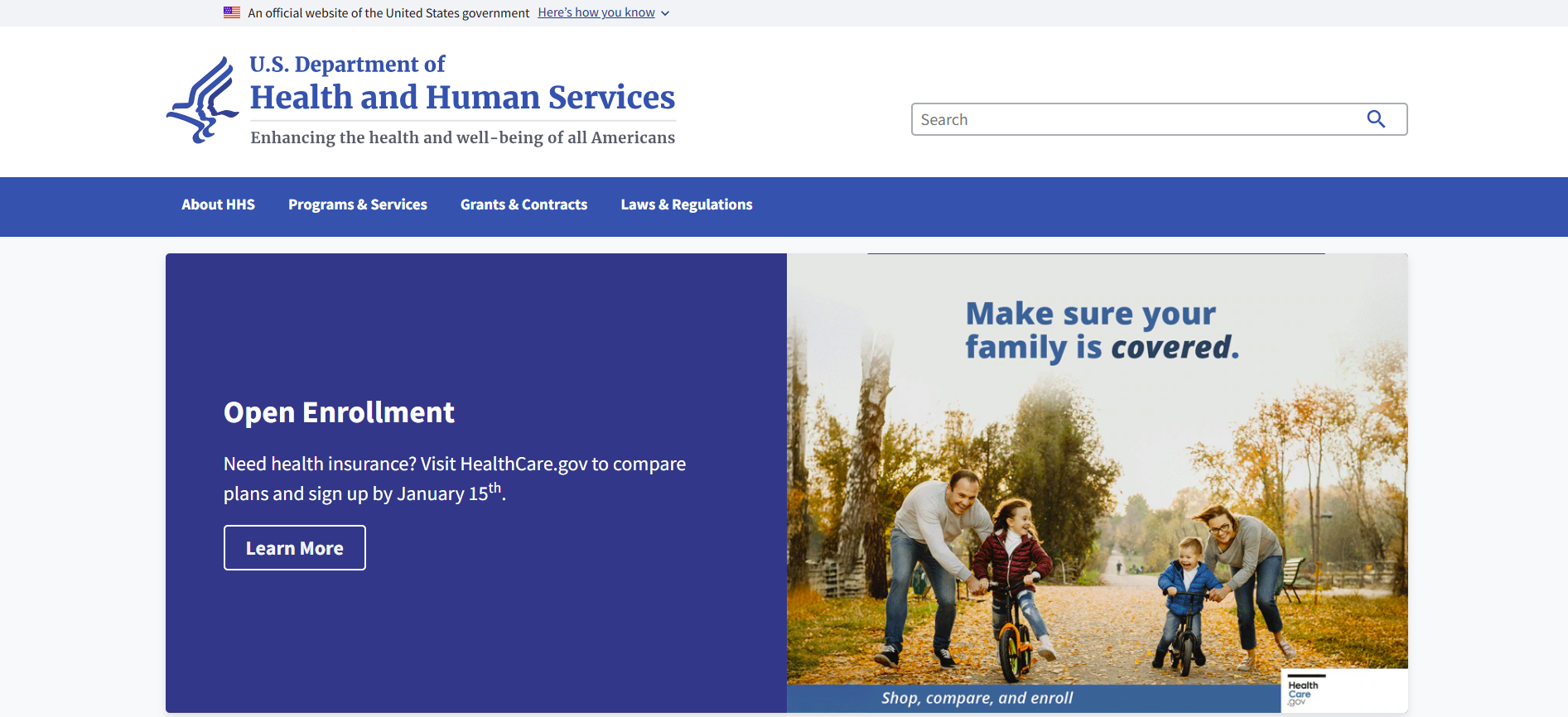
UNITED STATES DEPARTMENT OF HEALTH AND HUMAN SERVICES (HHS)

HHS is a cabinet-level department of the U.S. federal government. It aims to enhance access to quality healthcare, particularly for underserved populations, by administering programs such as Medicaid and Medicare.

Ministry’s website includes few interesting sections, that we can recommend. One is called “Laws & regulations” and as you’d expect, you can find here many “rules” and also a Guidance portal. Then we can mention the podcast called “House Calls”,  hosted by the 21st U.S. Surgeon General Dr. Vivek Murthy, who tries to navigate through life’s uncertainties to find meaning and joy. And finally there is also a News section as always.

Department’s website: https://www.hhs.gov/

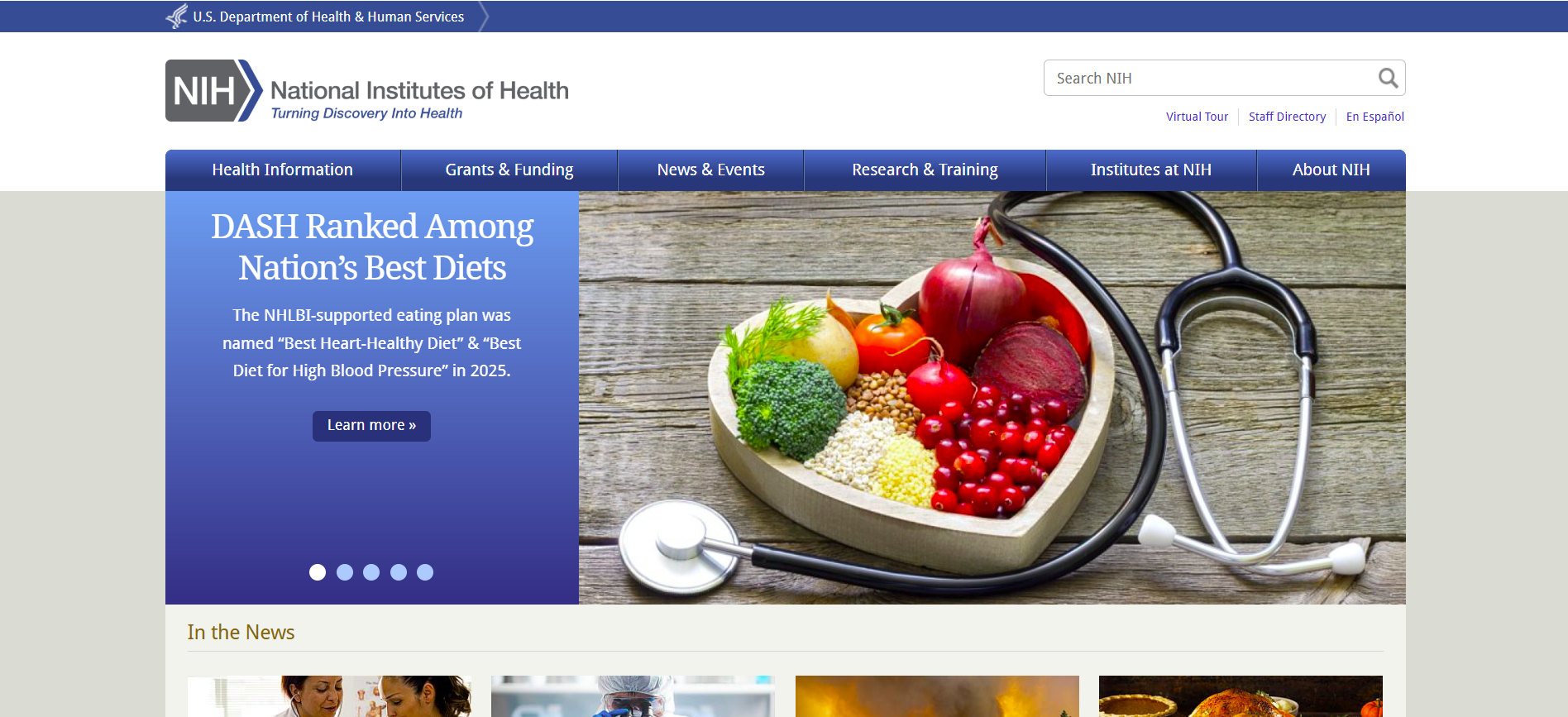
NATIONAL INSTITUTES OF HEALTH (NIH)

The NIH is the primary agency for conducting and supporting medical research in the U.S. It comprises multiple institutes and centers, each focusing on specific health issues, and is critical for advancing health through research.

When you visit NIH’s website, make sure to find your way into section called “Health Highlights”, where you can discover ways to enhance your well-being with wellness toolkits or get some interesting information about faces that may help prevent or treat craniofacial disorders. They also have section dedicated to research, where you can currently view the 2024 NIH Research Highlights. The last thing we will mention is the newsletter called simply “News in Health”, give it a chance, there seem to be some interesting articles.

Institutes’ website: https://www.nih.gov/

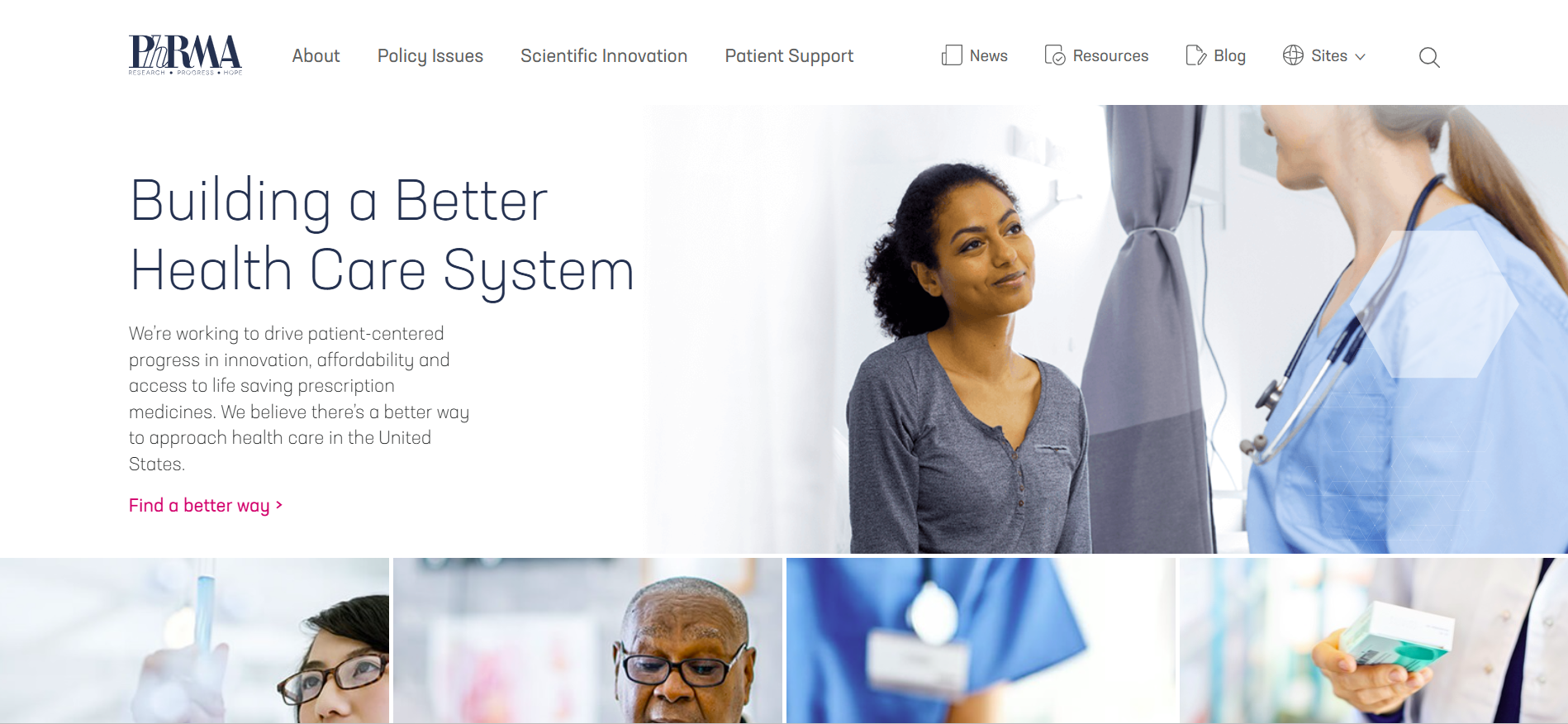
PHARMACEUTICAL RESEARCH AND MANUFACTURERS OF AMERICA (PhRMA)

Founded in 1958, PhRMA represents the leading pharmaceutical companies in the U.S. It advocates for policies that support drug innovation and access to medicines.

There is a interesting section called “Medicines in development”, where you can read reports on a variety of topics, such as Chronic Diseases, Cancer and more. Also if you’ll be looking for some specific material on their website, we recommend their “Resource Center”, it seems that from time to time they publish some analysis, like this one on organizations and the spending drugs.

PhRMA’s website: https://phrma.org/

BIOTECHNOLOGY INNOVATION ORGANIZATION (BIO)

BIO is the largest trade association representing biotechnology companies in the U.S. It advocates for policies that foster innovation in biotechnology and supports research and development in various fields, including pharmaceuticals, agriculture, and environmental solutions.

If you like analysis and reports, in this case particulalry about Biotechnology industry, they got a section just for you. They also got their own daily newsletter called “Good Day BIO”, which covers biotech, politics, and policy. Apart from newsletter, BIO also publishes its podcast “I am BIO”, where you can hear inspiring stories of biotech breakthroughs.

BIO’s website: https://www.bio.org/

Some of the most important laws

Basic legislation

Federal Food, Drug, and Cosmetic Act (FDCA)

The FDCA is the primary federal law governing drugs, medical devices, and cosmetics in the US.

Code of Federal Regulations (CFR)

The CFR, specifically Title 21, outlines the FDA’s regulations for drugs and medical devices. This document is very comprehensive, we can mention, for example few parts such as part 314 outlines the requirements for the approval and marketing of new drugs or part 600 establishes the requirements for good manufacturing practices (GMP).

Safety Reporting Regulations

These regulations require drug manufacturers to report adverse events and safety data to the FDA.


    Guidelines

    Good Pharmacovigilance Practices and Pharmacoepidemiologic Assessment

    This document provides guidance to industry on good pharmacovigilance practices and pharmacoepidemiologic assessment of observational data regarding drugs, including biological drug products (excluding blood and blood components).

    Local pharmacovigilance specifics

    Useful abbreviations to know

    If you want to study local materials about pharmacovigilance in USA, following terms will be helpful for you to get familiar with:

    FAERS (FDA Adverse Event Reporting System)
    → database containing ADRs, product quality complaints and more

    SRP (Safety Reporting Portal)
    → very similar to FAERS, though this site is meant to be for manufacturers without E2B capabilities

    FDA (U.S. Food and Drug Administration)
    → main authority on pharmacovigilance

    Is Qualified Person Responsible for Pharmacovigilance needed?

    Yes, the FDA requires companies to have a pharmacovigilance officer, sometimes refers to as Qualified Person for Pharmacovigilance (QPPV).

    The QPPV is responsible for ensuring that the pharmacovigilance system is compliant with regulatory requirements, overseeing the collection and reporting of adverse events, and serving as a point of contact during inspections.

    How can be adverse events reported in USA?

    Healthcare professionals, consumers and companies can report adverse events directly to the FDA at Report a Prodcut Problem.

    If you want to browse a database that contains adverse event reports, medication error reports and product quality complaints resulting in adverse events that were submitted to FDA visit FAERS.

    Local medical journals to screen

    Here are few examples of American local literature that medical authorization holders should monitor:

    THE NEW ENGLAND JOURNAL OF MEDICINE (NEJM)

    NEJM is one of the most prestigious medical journals, known for publishing groundbreaking research and clinical studies that significantly impact patient care and medical practice.

    Readers can find high-quality articles that shape the future of medicine, making it essential for healthcare professionals to stay informed.

    ISSN: 1533-4406

    Check journal website >

    JOURNAL OF THE AMERICAN MEDICAL ASSOCIATION (JAMA)

    JAMA is a leading general medical journal that features original research, reviews, and editorials covering all aspects of biomedical sciences.

    It provides insights into current medical practices and advancements, making it a valuable resource for clinicians and researchers alike.

    ISSN: 0002-9955

    Check journal website >

    ANNALS OF INTERNAL MEDICINE

    This journal publishes important research and reviews in internal medicine, focusing on clinical practice and health policy.

    It’s particularly valuable for internists and primary care physicians seeking to enhance their understanding of patient care and treatment options.

    ISSN: 1539-3704

    Check journal website >

    AMERICAN JOURNAL OF MEDICINE

    Often referred to as “The Green Journal,” this publication offers a broad range of articles on internal medicine, including clinical studies and reviews that address common medical issues.

    It’s an excellent resource for practitioners looking to apply evidence-based medicine in their practice.

    ISSN: 1555-7162

    Check journal website >

    Rather then spending your budget for hours of repetitive manual work to monitor those sources, we recommend to simply automate this task using our Tepsivo Literature solution.

    Learn how to screen automatically >

    Other interesting resources

    FDA's annual report

    Center for Drug Evaluation and Research annual report 2023

    Short document where you can find their priorities, it shares accomplishments related to each of these, such as Collaboration, Communication, Engagement, Innovation.

    What is the difference between FAERS AND SRP?

    The FDA Adverse Event Reporting System (FAERS) and the Safety Reporting Portal (SRP) are both crucial for reporting adverse drug reactions (ADRs) in the U.S., but they serve different functions.

    FAERS is a comprehensive database that collects and analyzes reports of ADRs and medication errors related to drugs and biological products, primarily used for postmarketing surveillance by healthcare professionals, manufacturers, and consumers.

    SRP, on the other hand, is a web-based platform designed for companies that lack the capability to submit reports electronically via the E2B format, making it easier for them to report ADRs.

    Scientific publications regarding pharmacovigilance

    Post-authorization pharmacovigilance for hemophilia in Europe and the USA: Independence and transparency are keys

    Dive into the vital need for independent monitoring of drug safety, particularly for hemophilia treatments, which can have unexpected side effects that aren’t always caught before approval. Readers will discover how enhancing pharmacovigilance systems in the U.S. and Europe can lead to better detection of rare adverse drug reactions.

    Enhancing Pharmacovigilance from the US Experience: Current Practices and Future Opportunities

    Highlighting valuable lessons from the U.S. on improving drug safety monitoring through a three-pillar model that emphasizes medical excellence, operational compliance, and knowledge sharing. Readers will gain insights into practical strategies for building a more effective global pharmacovigilance system.

    Frequency and Associations of Adverse Reactions of COVID-19 Vaccines Reported to Pharmacovigilance Systems in the European Union and the United States

    This study provides a detailed risk assessment of serious adverse reactions linked to COVID-19 vaccines from major manufacturers like AstraZeneca and Pfizer-BioNTech, revealing that older adults face a significantly higher risk compared to younger individuals.

    interesting resources

    FDA: Warning Letters

    Databse of Warning Letters, which are highlighting issues such as inadequate manufacturing practices, misleading product claims, or incorrect usage instructions.

    FDA: Recalls, Market Withdrawals, & Safety Alerts

    A database containing recalls, market withdrawals, and safety alerts provides essential information on products that have been removed from the market or flagged for safety concerns to help protect consumers.

    FDA: Frequently Asked Questions about the FDA Drug Approval Process

    Find out why the FDA evaluates drugs, the various types of drug applications, and how long the approval process typically takes.

    WHO Data about USA

    This page contains basic staticsits about USA in various fields such as Population, Life expectancy or Health statistics.

    Do you need some help with putting the American PV System together? We’re here for you.

    And while you’re here…

    …consider also our global end-to-end PV solution!

    Thanks to the Tepsivo platform, you can get a full pharmacovigilance system in all countries you need – for a fraction of the usual budget.

    Tepsivo Oy | Urho Kekkosen katu, 4-6 E, 00 100, Helsinki, Finland | VAT number FI31367614 | contact@tepsivo.com  | +358 402 204 698 | Privacy policy