1

Pharmacovigilance in United Kingdom

How is it with the drug safety system in British Isles? Read our guide to get a clear picture.

And of course, if you feel you need a local consultant, we’re here for you.

Current status of our United Kingdom’s pharmacovigilance services:

LCPPV / QPPV in United Kingdom

AVAILABLE

Easily managed through Tepsivo Platform >

Local Literature Screening

AVAILABLE

Automated monitoring with Tepsivo Literature >

Who is the main PV authority in United Kingdom?
RESPONSIBILITY FOR NATIONAL PV SYSTEM

The primary authority on pharmacovigilance in the United Kingdom is the Medicines and Healthcare products Regulatory Agency (MHRA), which is headquartered in London and is responsible for ensuring the safety and efficacy of medicines throughout the UK.

Alongside with MHRA these six regional Yellow Card centres play an important supporting role in monitoring medicine safety at a local level (making ADR reporting more accessible and responsive to local needs).

Interesting website sections related to pharmacovigilance
DRUG SAFETY UPDATE

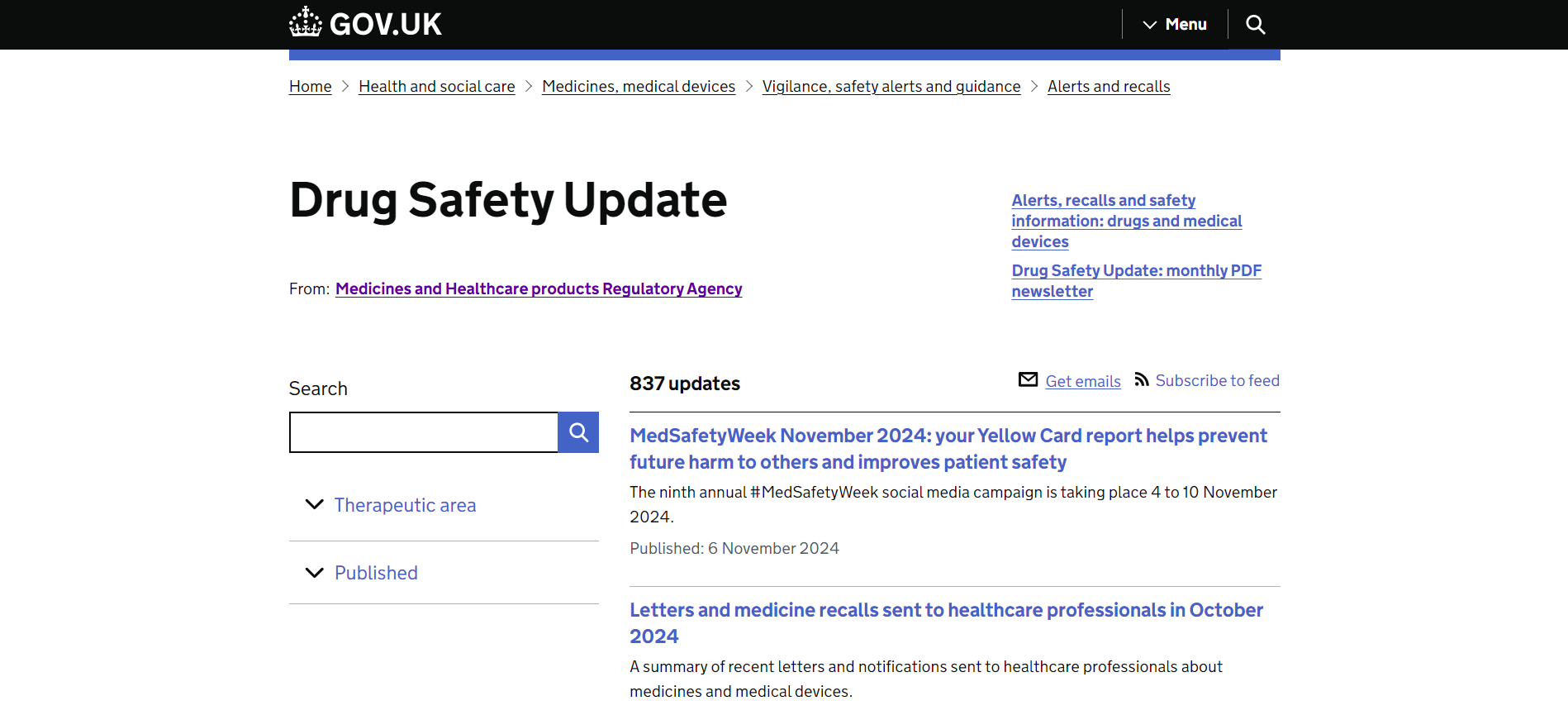
Page dedicated to individual notices regarding drug safety, usually published irregularly, such as risks of drug interactions. From the peridocial ones we can mention Letters and medicine recalls sent to healthcare professionals, which is a summary. There is also a possibility to subscribe to the their Drug Safety Newsletter.

Visit the section >

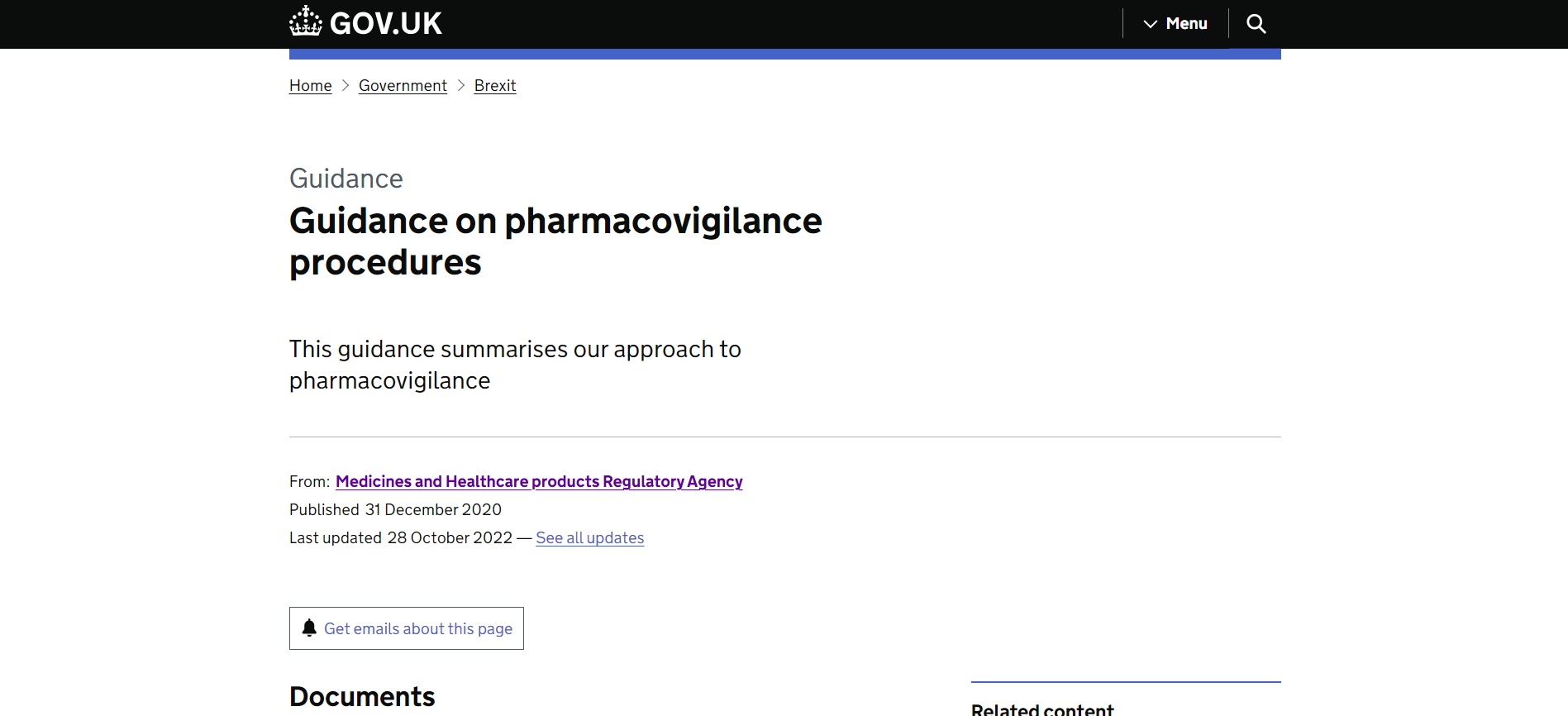
GUIDANCE ON PHARMACOVIGILANCE PROCEDURES

This page contains the basic information regarding pharmavigilance, in the HTML document you’ll find all neccessity information on MHRA’s general approach, Risk Management Plans (RMPs), Periodic Safety Update Reports (PSURs) and more. There are also two webinars called “Pharmacovigilance requirements for UK authorised products”.

Visit the form section >


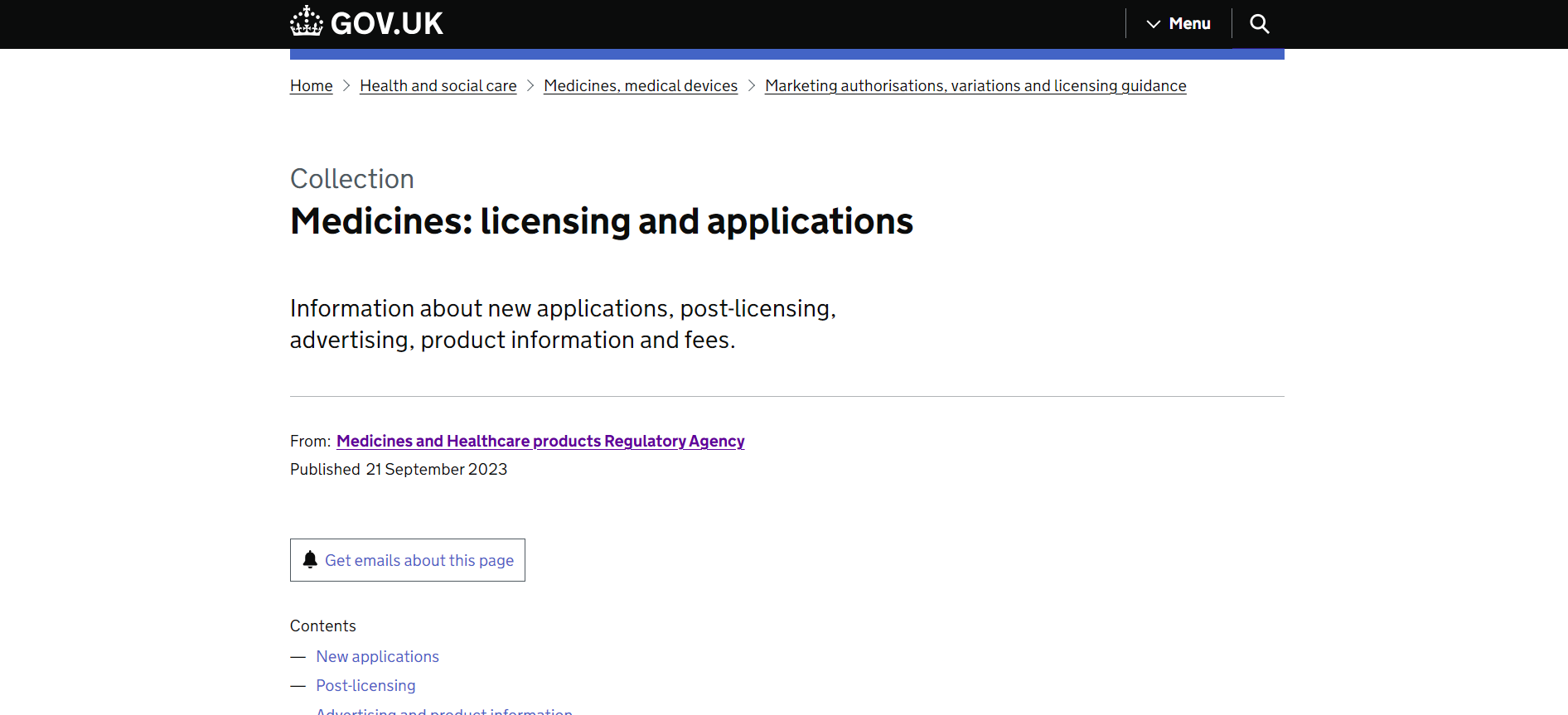
MEDICINE: LICENSING & APPLICATIONS

Variety of guidances is listed on this page regarding many areas such as New applications, Payment, Fees, Packaging, Labelling and mroe. There are also some collections, for example Marketing authorisations granted by years.

Visit the section >

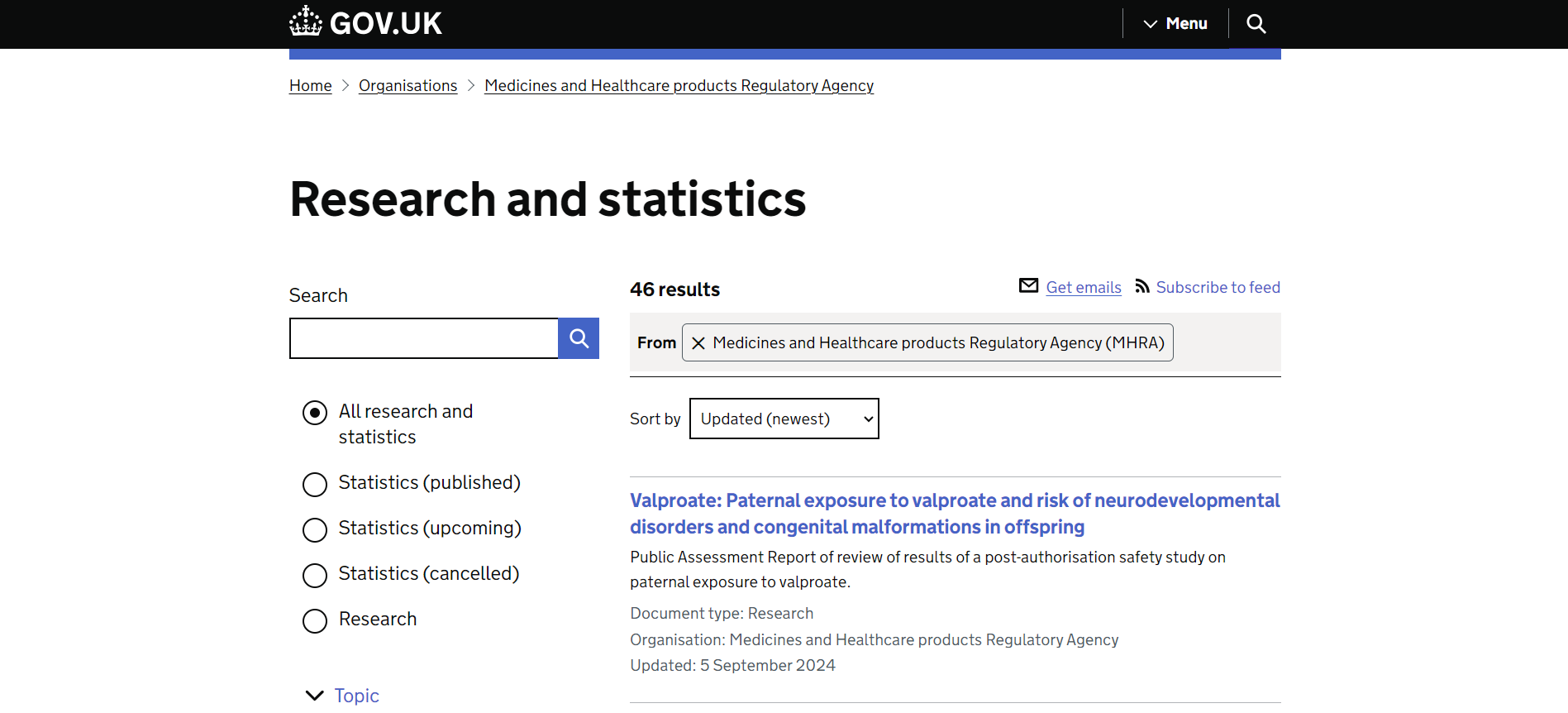
RESEARCH & STATISTICS

This section includes several dozens of statistics, you can filter them by already published or upcoming. We can mention Annual review of good clinical practice referrals, Pharmacovigilance inspection metrics, 2009 to present or Quarterly reports on the import of unlicensed medicines.

Visit the section >

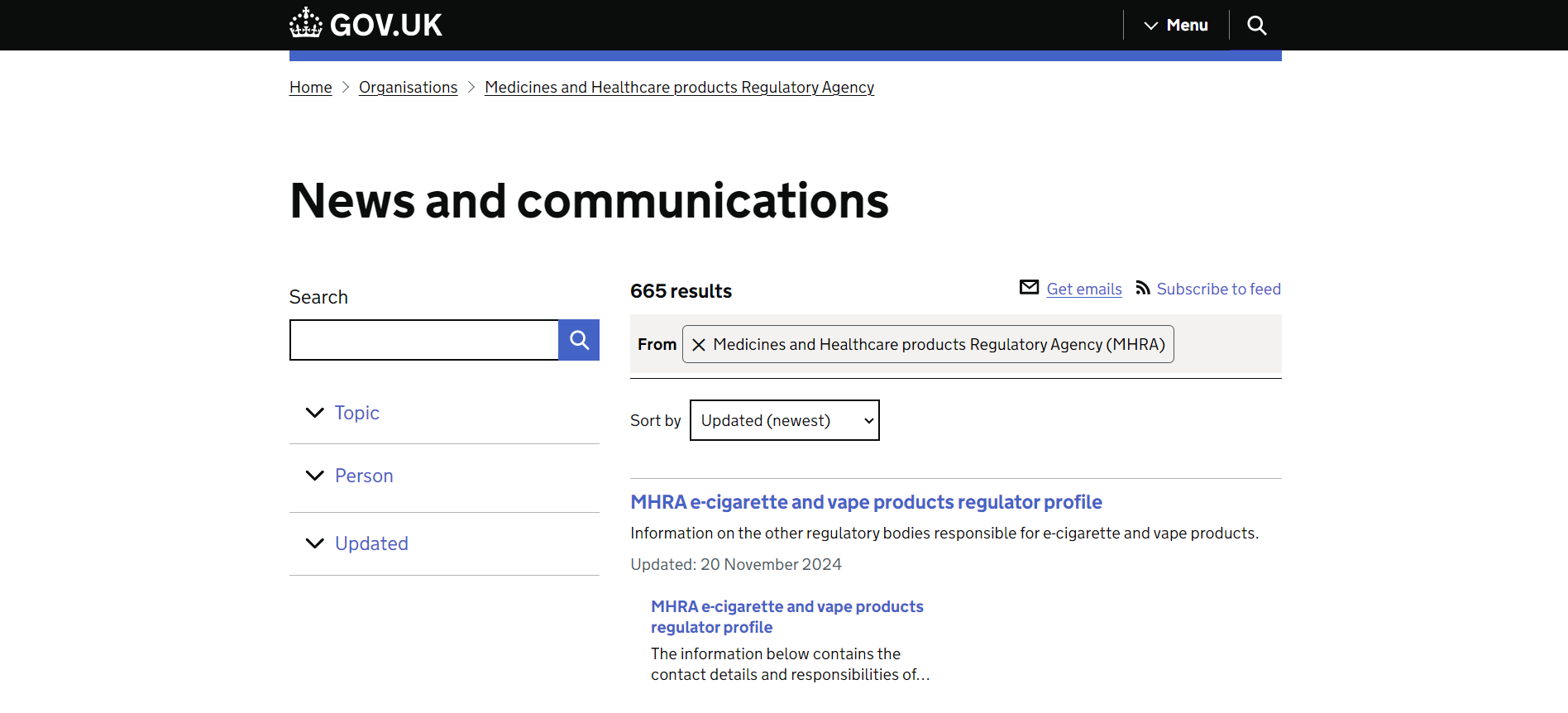
NEWS AND COMMUNICATIONS

This is the section, where you should go, when you want to know what new medicine or vaccine MHRA approves, want to read some reminders from HMRA or you can read more about MedSafetyWeak 2024, which purpose is to raise awareness about the importance of reporting suspected side effects, and much more.

Visit the section >

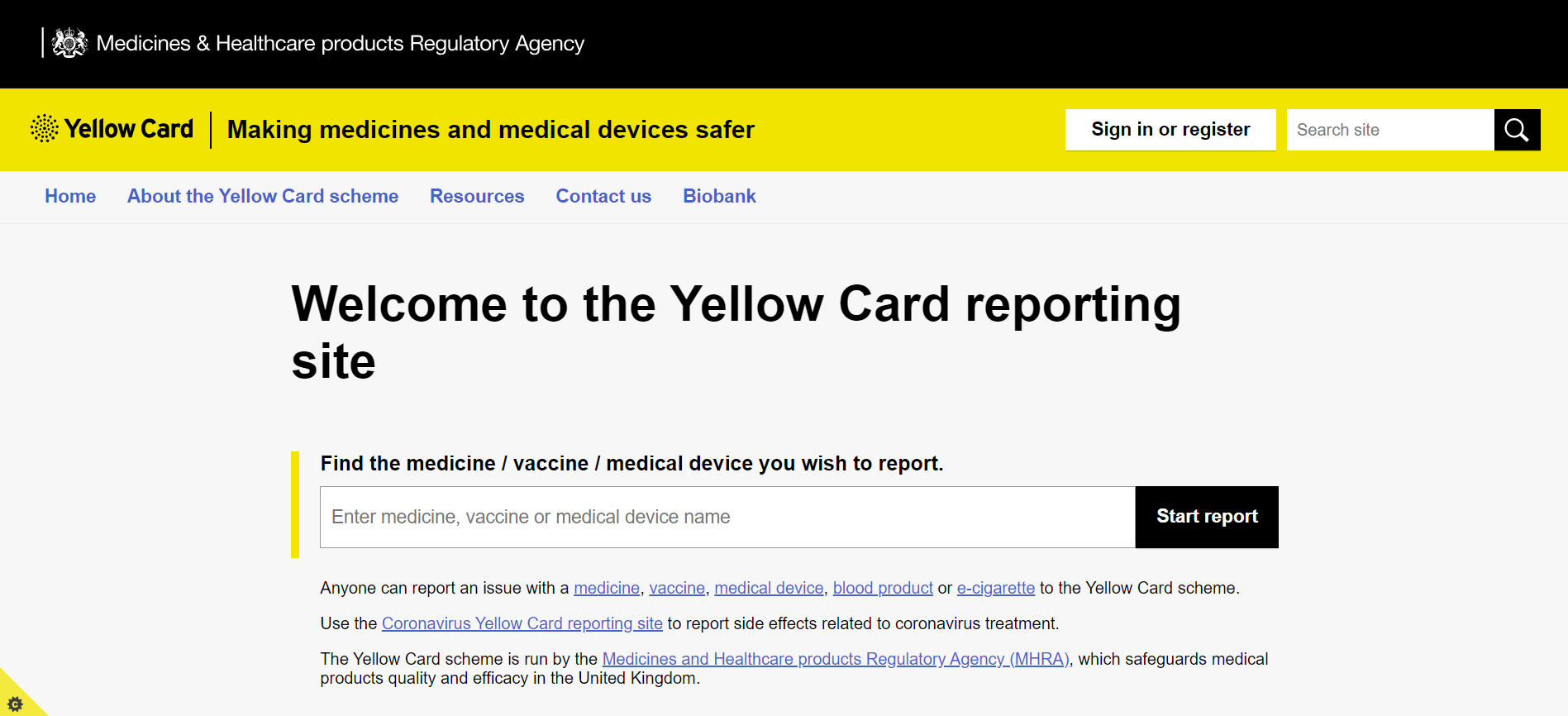
YELLOW CARD REPORTING SITE

While this site is mainly for reporting ADRs, there are also two other sections we can recommend. First one is “Case Studies”, these studies highlight how Yellow Card reports have played a crucial role in enhancing patient safety. Second one is “Latest News”, where some guidances and field safety notices can be found.

Visit the section >

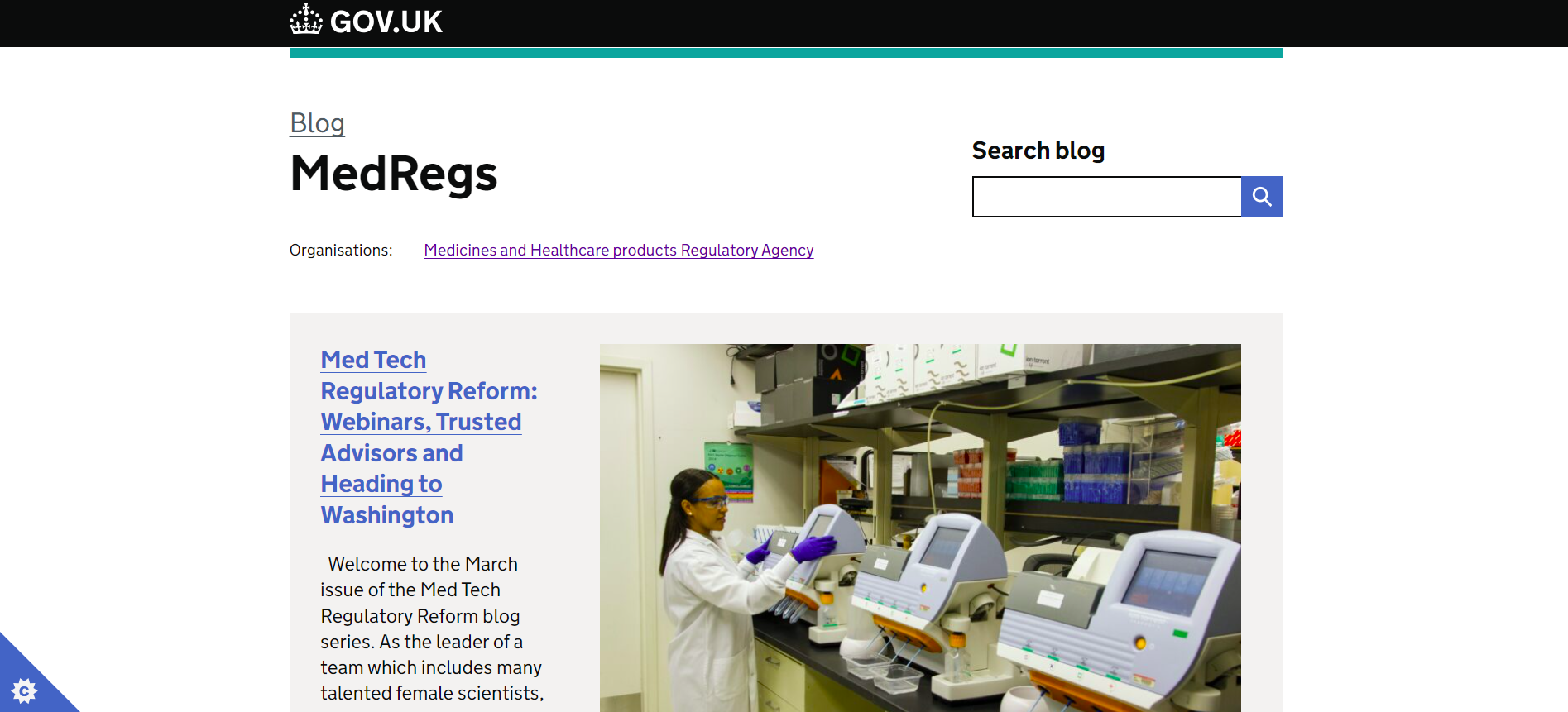
BLOG MEDREGS

The official blog of MHRA offers valuable insights into the latest regulatory developments and practices surrounding medicines. There are many commentaries on important topics, which are categotized on the right side when you scroll down a bit.

Visit the section >


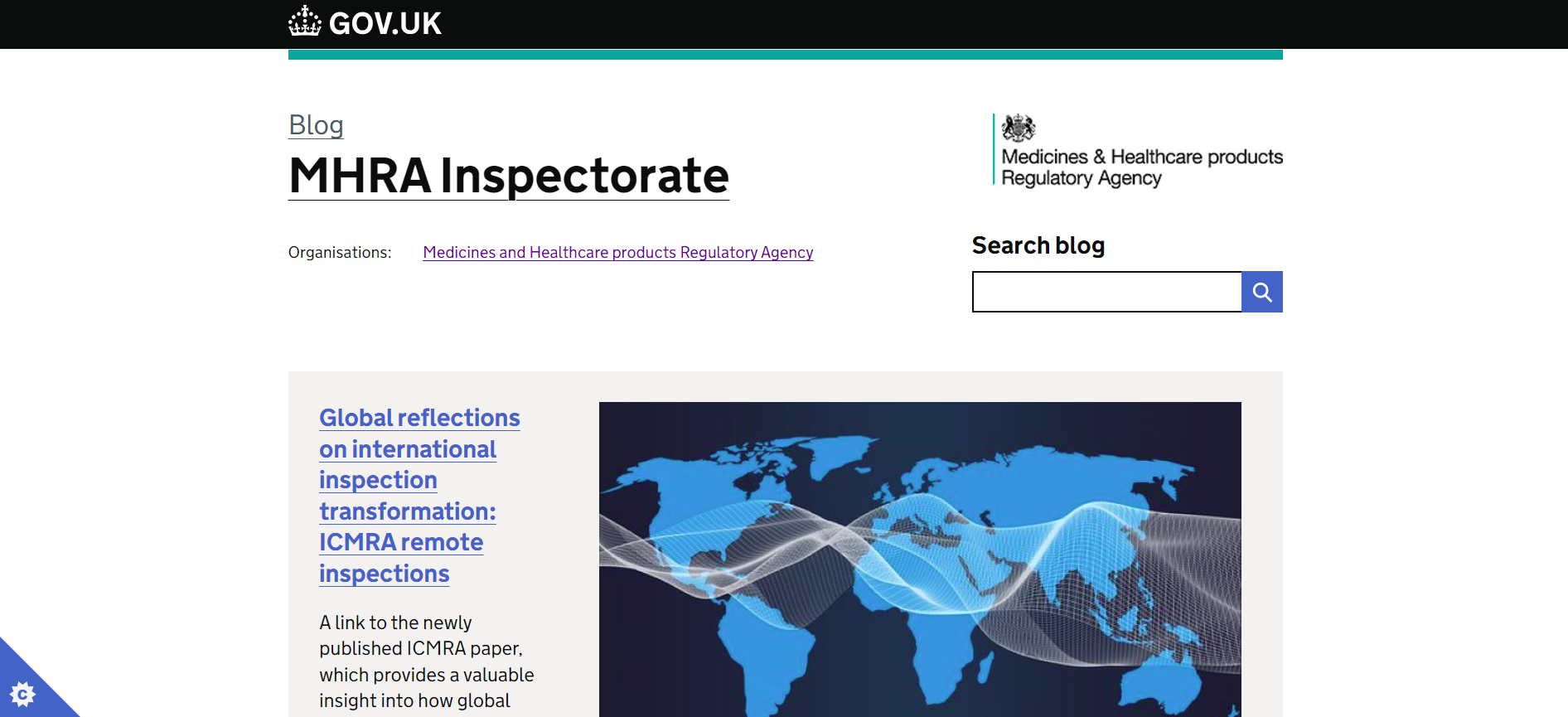
MHRA INSPECTORATE BLOG

This blog is a valuable resource for those involved in the regulation of medicines, offering insights into the latest updates and guidelines directly from inspectors, from January 2024 there is a special section regarding Good Pharmacovigilance Practice.

Visit the section >

Other important institutions & industry groups
DEPARTMENT OF HEALTH AND SOCIAL CARE (DHSC)

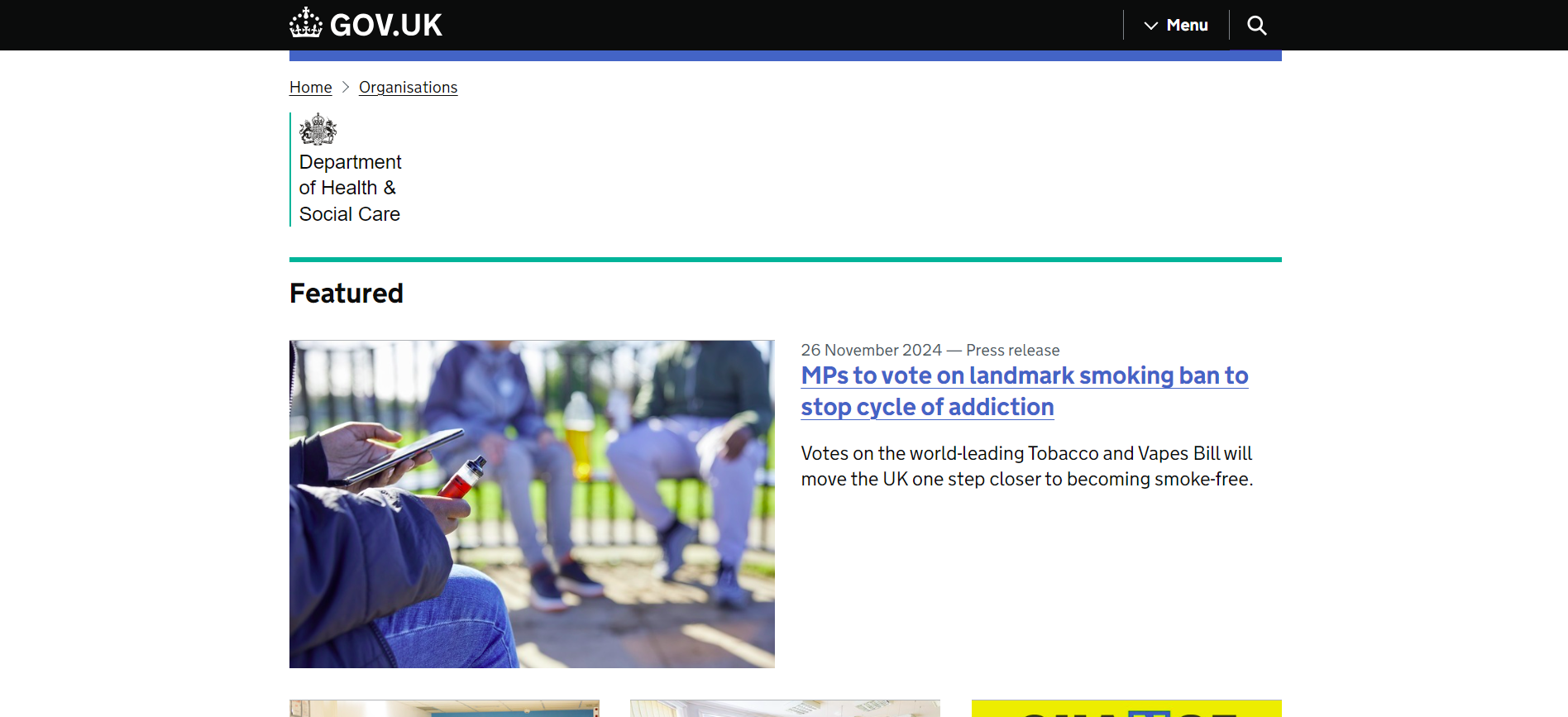
This is the main governmental body responsible for public health, social care, and the National Health Service (NHS) in England. It provides leadership and sets policies for health and social care.

When visiting Departments’s website, you’ll notice some publication on the main page and it is good to keep an eye on it, because from time to time there are interesting articles, such as ongoing national conversation about NHS (National Health System). We also recommend to visit “Guidance and regulation” section, where many important documents can be found, for example Guidance: Good manufacturing practice and good distribution practice. Another interesting section are Statistics, including Monthly statistics for adult social care (England).

DHSC’s website: https://www.gov.uk/government/organisations/department-of-health-and-social-care

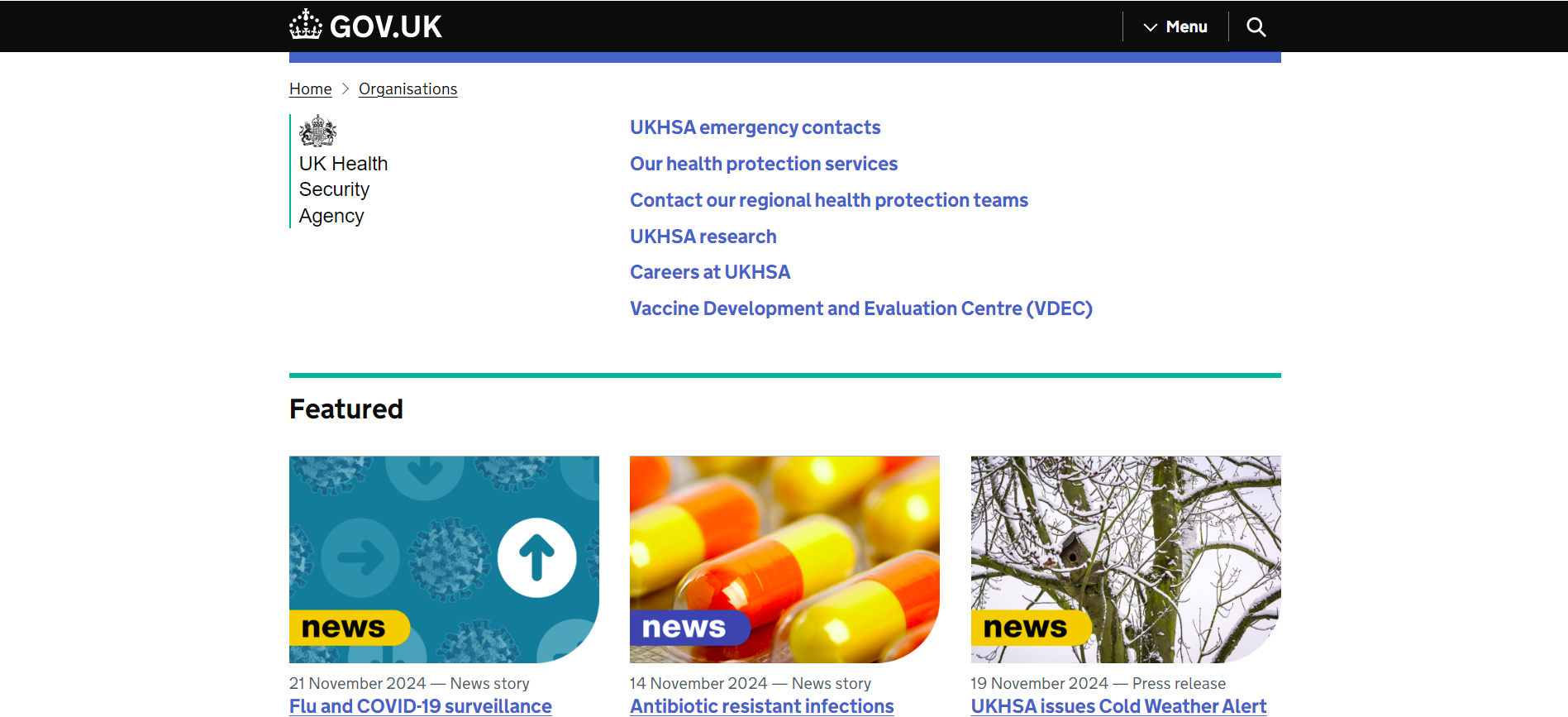
UK HEALTH SECURITY AGENCY (UKHSA)

Established in 2021, the UKHSA focuses on public health protection and emergency preparedness, including responses to infectious disease outbreaks and health threats.

UKHSA’s website are practically identical to the Department’s one, so it should be really use for you to go all content there. For starters, once again on the website you’ll find some publications. In their “Guidance and regulation” section, you’ll find many important documents, this time on topics like how to report notifiable diseases and what are they. “Research and statistics” include documents on mortality surveillance, annual data on HIV and more, there’s also a special website dedicated to research iself.

UKHSA’s website: https://www.gov.uk/government/organisations/uk-health-security-agency

BIOINDUSTRY ASSOCIATION (BIA)

Represents the UK’s bioscience sector, including biotechnology companies involved in drug development and medical technologies. The BIA advocates for policies that foster innovation and growth in the life sciences industry.

Their website does not provide much interesting content, though it’s still good to know about this association. On their website you can subscribe to the Newscast, in case you’d like to receive information from the biotech and life sciences industry, or you can vbisit the blogs section, where are mostly CEO updates, which is basically a summary from CEO on past events, updates and more.

Association’s website: https://www.bioindustry.org/

ASSOCIATION OF THE BRITISH PHARMACEUTICAL INDUSTRY (ABPI)

Represents the interests of innovative pharmaceutical companies in the UK, advocating for policies that support research, development, and patient access to medicines. The ABPI plays a crucial role in promoting collaboration between the pharmaceutical industry and the NHS.

On this website we can find many interesting publications, such as these guidance notes on how to handle safety information and product complaints that arise from digital activities are worth mentioning or Pharmaceutical Reputation Index, which shares the main highlights and key insights gathered from a year of research involving the public, healthcare professionals, and Members of Parliament, revealing their true thoughts and feelings about pharmaceutical companies in the UK. You can also see pharmaceutical industry statistics here.

ABPI’s website: https://www.abpi.org.uk/

Some of the most important laws

Basic legislation

The Human Medicines Regulations 2012

This foundational legislation requires the licensing authority (MHRA) to operate a pharmacovigilance system for medicinal products sold in Great Britain.

The Medicines and Medical Devices Act 2021

This act provides a framework for regulating medicines and medical devices, including provisions for pharmacovigilance.

Guidelines

Good Pharmacovigilance Practice (GVP) Modules

Although the UK has exited the EU, the principles of the EU pharmacovigilance framework continue to influence UK regulations.

Guidance on qualified person responsible for pharmacovigilance (QPPV) including pharmacovigilance system master files (PSMF)


Local pharmacovigilance specifics

Is LCPPV needed or is QPPV enough?

LCPPV is not needed, QPPV is enough. Holders of UK marketing authorizations must have an appropriately qualified QPPV who resides and operates either in the UK or the EU/EEA. If the QPPV resides and operates in the EU/EEA, the MAH must nominate a national contact person for pharmacovigilance who resides and operates in the UK and reports to the QPPV, further information can be found in this guidance.

If you need a translation of those instructions or more information about LCPPV requirements in Europe in general, just check our free comprehensive guide available here.

Let us appoint LCPPV for you >

How can be adverse events reported in United Kingdom?

In the UK, suspected adverse drug reactions (ADRs) can be reported through the Yellow Card Scheme, submit a report electronically via the Yellow Card website. Reporting can be also done via Yellow Card official app or telephone.

Local medical journals to screen

Here are few examples of United Kingdom’s local literature that medical authorization holders should monitor:

DRUG SAFETY

This journal focuses on the safety of drugs and the impact of pharmacovigilance practices, providing comprehensive research articles and reviews that explore adverse drug reactions and risk management strategies.

It is a key resource for professionals seeking to stay updated on the latest findings in drug safety and efficacy.


ISSN: 1179-1942

Check journal website >

BRITISH JOURNAL OF CLINICAL PHARAMCOLOGY

This journal publishes original research and reviews on all aspects of clinical pharmacology, including pharmacovigilance, drug safety, and therapeutic drug monitoring, making it an essential reading.

Its emphasis on both clinical practice and research provides valuable insights into improving patient safety.

ISSN: 1365-2125

Check journal website >

BRITISH MEDICAL JOURNAL (BMJ)

The BMJ is one of the world’s oldest and most respected general medical journals, offering a wide range of research articles, reviews, and opinion pieces.

Its high impact factor and commitment to evidence-based medicine make it essential reading for healthcare professionals.

ISSN: 1756-1833

Check journal website >

JOURNAL OF THE ROYAL SOCIETY OF MEDICINE (JRSM)

The JRSM publishes a diverse array of articles that cover all aspects of medicine, including clinical research, public health, and medical education.

This journal is particularly valuable for those interested in the broader implications of medical findings and their application in real-world settings.

ISSN: 1758-1095

Check magazine website >

Rather then spending your budget for hours of repetitive manual work to monitor those sources, we recommend to simply automate this task using our Tepsivo Literature solution.

Learn how to screen automatically >

Other interesting resources

United kingdom Health Profile

Health Profile for England 2021

The 2021 edition offers a detailed overview of the nation’s health, updating key indicators from previous reports. It provides valuable comparisons with health data from several other countries, making it a crucial resource for understanding current health challenges in England.

It seems that there hasn’t been a more recent health profile yet, so we have to make do with this version. 

MHRA's publications

Annual report 2023

It seems, that MHRA’s annual report can be found only via search when you type “Medicines and Healthcare Products Regulatory Agency Annual Report”, it’s own section is missing.

Pharmacovigilance – how the MHRA monitors the safety of medicines

Quick PDF document that delivers general information on 5 pages.

How is it with qppv in northern ireland?

For medicines placed on the market in Northern Ireland, EU pharmacovigilance requirements continue to apply alongside UK regulations.

Similar to the rest of the UK, MAHs must appoint a Qualified Person Responsible for Pharmacovigilance (QPPV) and maintain a Pharmacovigilance System Master File (PSMF) that describes their pharmacovigilance system.

Scientific publications regarding pharmacovigilance

Changes in pharmacovigilance following the end of the Brexit transition

This article dives into the significant changes in pharmacovigilance legislation in the UK following Brexit, highlighting how the Medicines and Healthcare products Regulatory Agency (MHRA) now navigates its responsibilities across Great Britain and Northern Ireland. Readers can expect to explore the complexities of maintaining safety standards for medicines in a post-Brexit landscape, including the ongoing influence of EU regulations in Northern Ireland and the implications for public health.

An historical overview over Pharmacovigilance

This overview takes readers on a fascinating journey through the 170-year history of pharmacovigilance (also mentioning UK), tracing its evolution from simple clinician warnings to today’s sophisticated electronic monitoring systems.

Comparative evaluation of pharmacovigilance regulation of the United States, United Kingdom, Canada, India and the need for global harmonized practices

This study explores the evolution of pharmacovigilance practices around the world, highlighting both the progress made and the ongoing challenges in ensuring the safe use of medicines. Readers will discover how different countries like the US, UK, Canada, and India approach pharmacovigilance, along with insights into improving communication and training among healthcare professionals to create a more harmonized global system.

Escaping the Long Shadow Cast by Agranulocytosis – Reflections on Clozapine Pharmacovigilance Focused on the United Kingdom

This study reveals surprising findings about clozapine, showing that while Scandinavian registries found no increased mortality linked to the drug, UK data indicates a significant rise in fatal outcomes associated with its use. Readers will gain insights into the complexities of interpreting these results and discover the potential roles of pneumonia and myocarditis in the higher mortality rates observed in the UK compared to other countries.

Interesting resources

DSUR’s publications regarding drug safety

See various publications from the Drug Safety Research Unit (DSRU), which is a prominent pharmacoepidemiological organization dedicated to monitoring and studying the safety of medicines and vaccines.

EU Exit: Pharmacovigilance for UK authorised medicinal products

This is basically a quick guide with everything important regarding pharmacovigilance you need to know.

Do you need some help with putting the United Kingdom’s PV System together? We’re here for you.

And while you’re here…

…consider also our global end-to-end PV solution!

Thanks to the Tepsivo platform, you can get a full pharmacovigilance system in all countries you need – for a fraction of the usual budget.

Tepsivo Oy | Urho Kekkosen katu, 4-6 E, 00 100, Helsinki, Finland | VAT number FI31367614 | contact@tepsivo.com  | +358 402 204 698 | Privacy policy