
Pharmacovigilance in Poland
How is it with the drug safety system in this European country? Read our guide to get a clear picture.
And of course, if you feel you need a local consultant, we’re here for you.
Current status of our Polish pharmacovigilance services:
LCPPV / EU QPPV in Poland
AVAILABLE
Easily managed through Tepsivo Platform >
Local Literature Screening
AVAILABLE
Automated monitoring with Tepsivo Literature >
Who is the main PV authority in Poland?
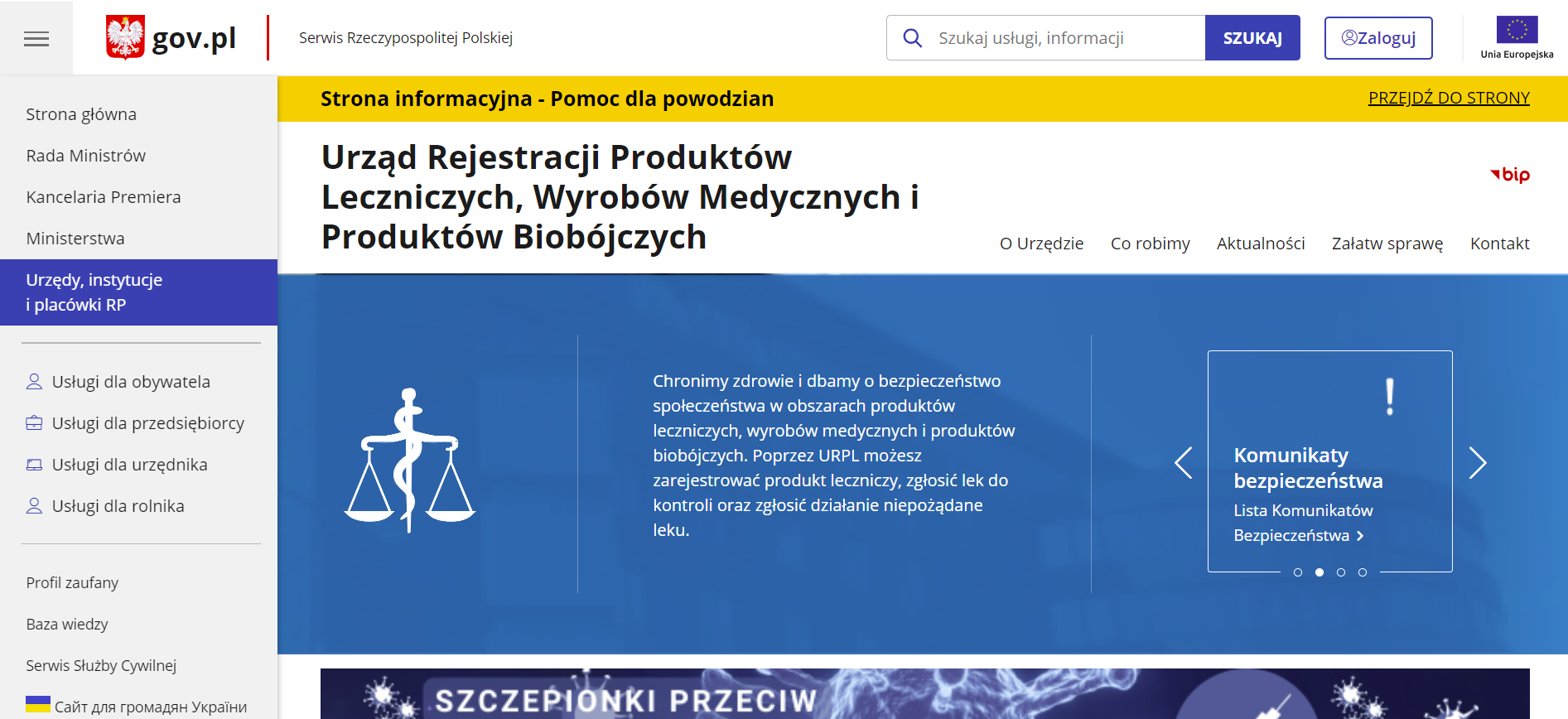
Useful insights about the authority website
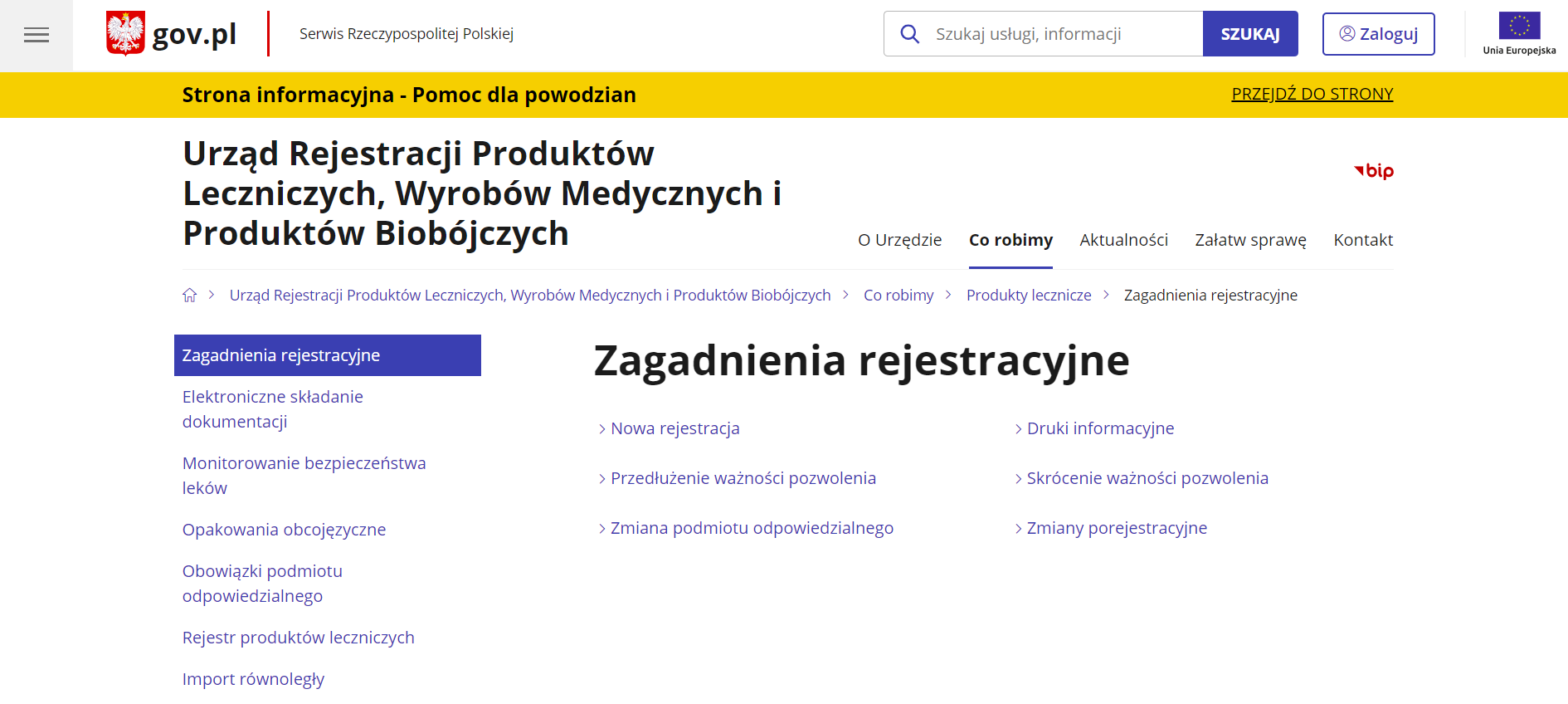
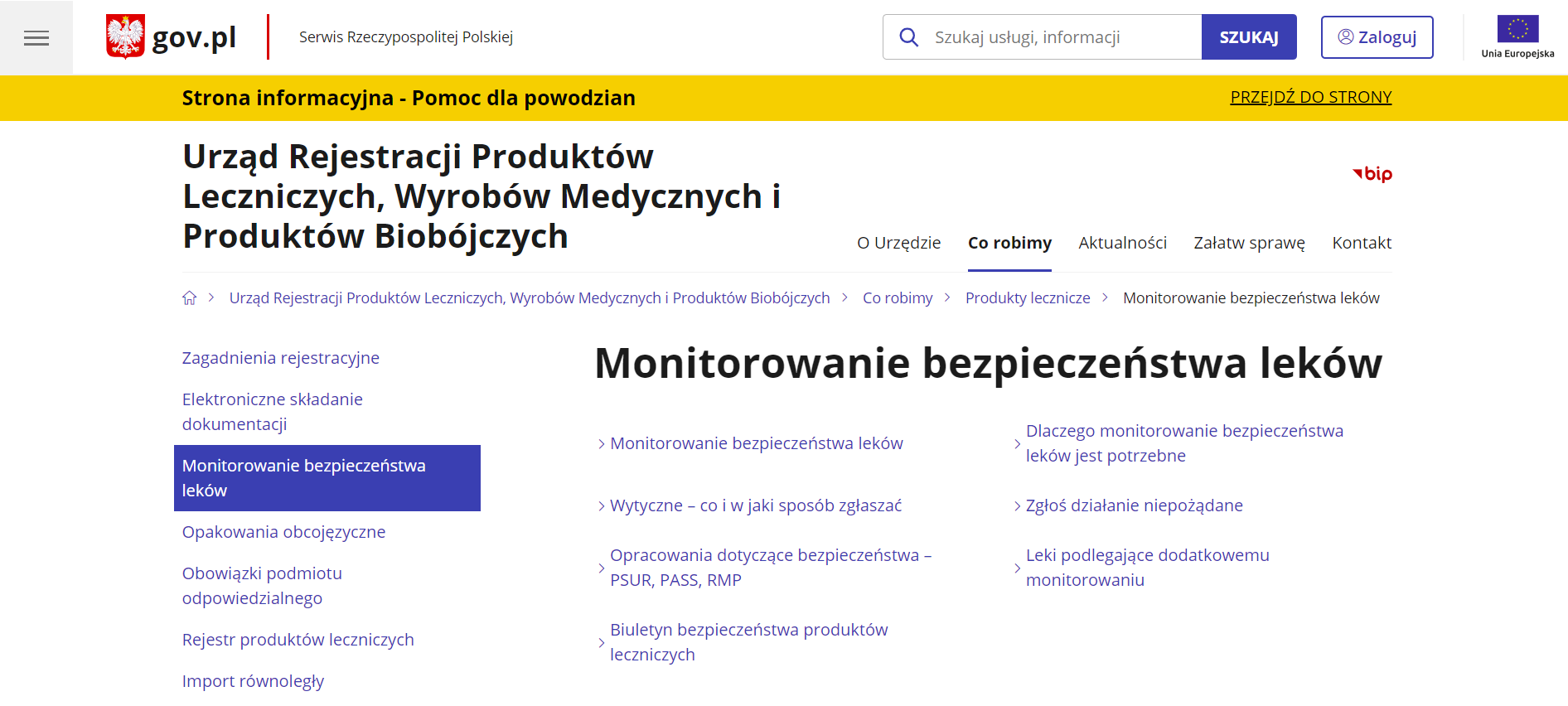
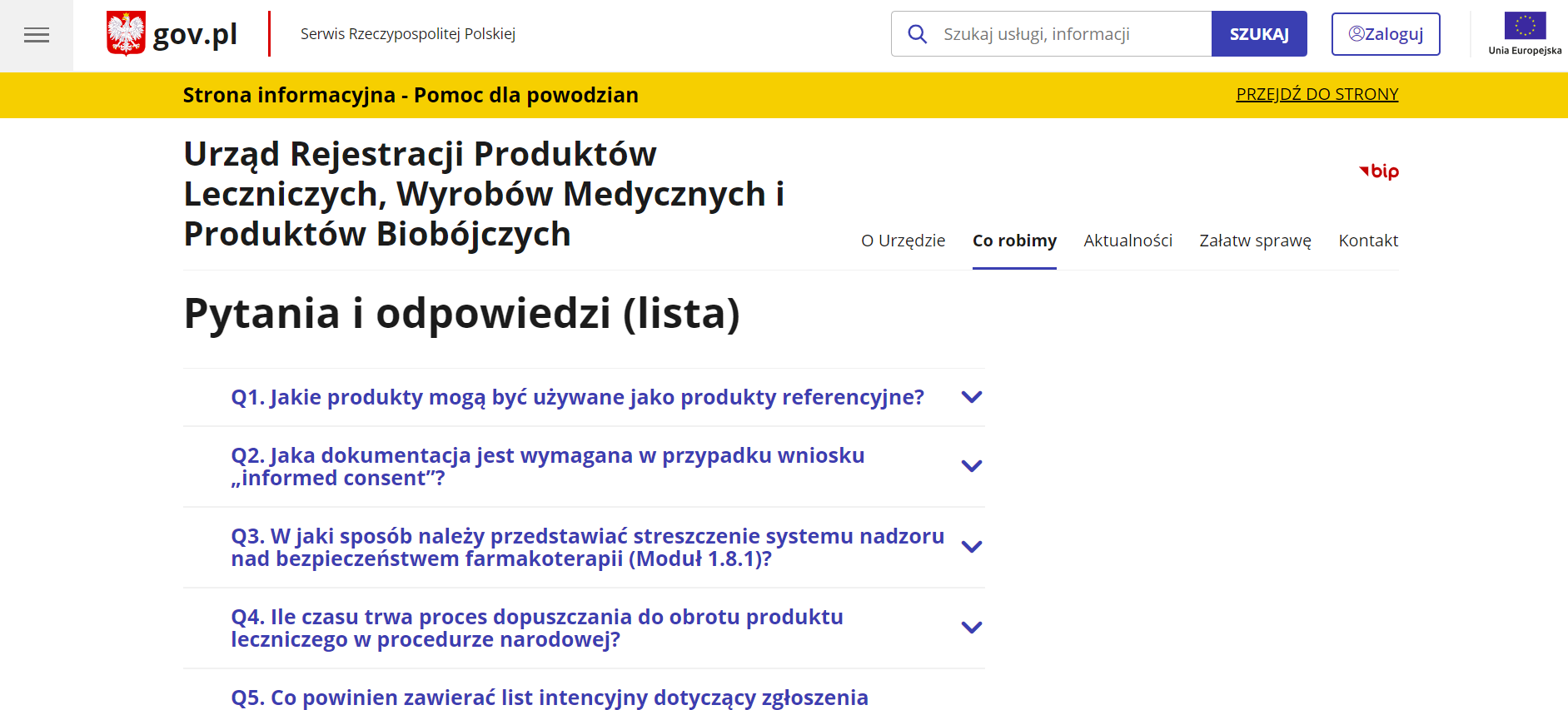
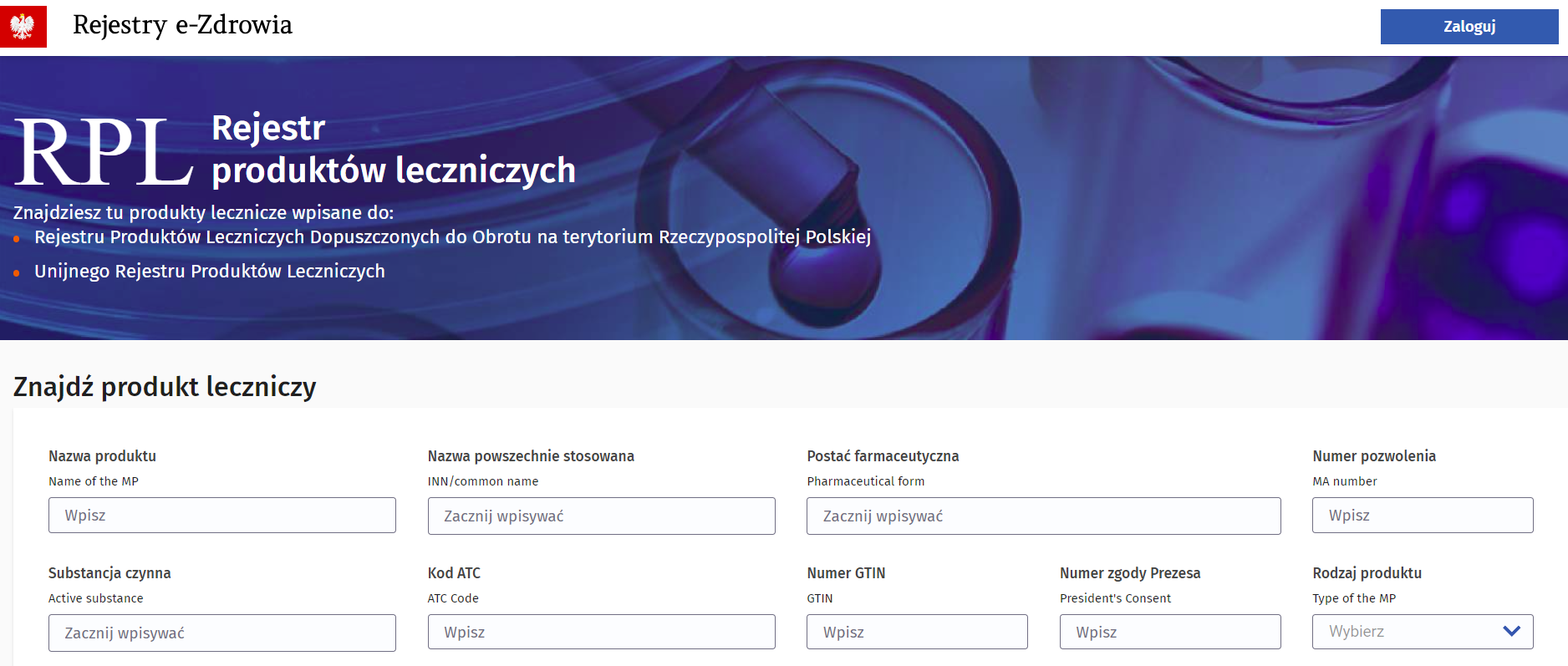
Interesting website sections related to pharmacovigilance
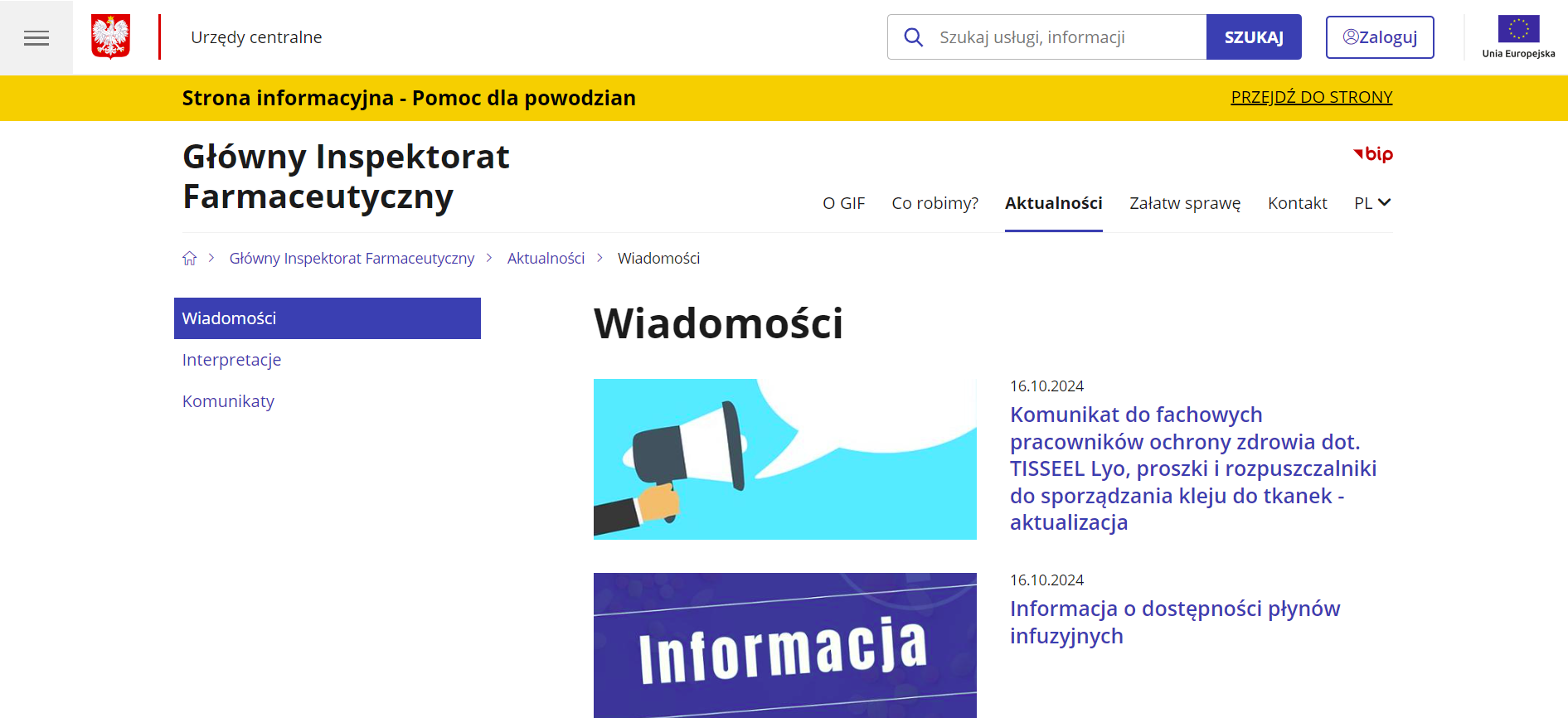
Other important institutions & industry groups


Some of the most important laws
Essential EU Legislation and EMA Guidlines
Since Poland is a member of the EU, every Marketing Authorization Holder with a product on the Polish market needs to follow the European pharmacovigilance legislation and guidelines by EMA (European Medicine Organization).
To navigate through the European regulations, its is useful to know following:
EMA Pharmacovigilance System Manual
Directive 2001/83/EC and Regulation (EC) 726/2004
Commission Implementing Regulation (EU) 520/2012
Local pharmacovigilance specifics
Useful abbreviations to know
If you want to study local materials about pharmacovigilance in Poland, following terms will be helpful for you to get familiar with:
EMA (European Medicine Organization)
→ Key part of the EU, dedicated to ensuring the safety and effectiveness of medicines.
EVPM (EudraVigilance post-authorization module)
→ Dedicated to the collection of ICSRs related to all medicinal products authorised in the EEA.
PRAC (Pharmacovigilance Risk Assessment Committee)
→ Committee responsible for assessing and monitoring the safety of human medicines
URPL (Urząd Rejestracji Produktów Leczniczych, Wyrobów Medycznych i Produktów Biobójczych)
→ The Office for Registration of Medicinal Products, Medical Devices and Biocidal Products
Is LCPPV needed or is EU QPPV enough?

How can be adverse events reported in Poland?
To submit a report, you can use URPL’s patient-friendly online reporting form specifically designed for reporting suspected adverse reactions.
This form allows you to report suspected ADRs related to medicines used in humans. It is also possible to report via email or phone.
Local medical journals to screen
Here are few examples of Polish local sources that medical authorization holders should monitor:
POLISH JOURNAL OF RADIOLOGY
A dynamic, peer-reviewed publication that has been at the forefront of diagnostic imaging since its establishment in 1926.
This journal not only features original research articles on cutting-edge topics in radiology but also offers insights into related fields like public health and medical technology.
ISSN: 1899-0967
POLISH ARCHIVES OF INTERNAL MEDICINE
This monthly, peer-reviewed journal publishes articles in English and covers a wide range of topics in internal medicine.
It aims to disseminate high-quality research and clinical practice information.
ISSN: 1897-9483
ADVANCES IN DERMATOLOGY AND ALLERGOLOGY
This is a vibrant journal that explores the latest research and developments in skin and allergy-related health, making it an essential read for both specialists and general practitioners.
With a focus on innovative treatments and clinical practices this journal offers valuable insights that can deepen your understanding of dermatological and allergic conditions.
ISSN: 2299-0046
VIA MEDICA JOURNALS
It serves as a comprehensive platform for a wide range of medical disciplines, promoting high-quality research and knowledge sharing among healthcare professionals.
By featuring diverse topics and interdisciplinary studies, this journal not only keeps you informed about the latest advancements in medicine but also fosters collaboration across various fields to improve patient outcomes.
POLISH ANNALS OF MEDICINE
Stands out as an interdisciplinary medical platform that publishes peer-reviewed original research on various healthcare issues and medical education.
This journal provides a unique opportunity to dive into a wealth of knowledge from different medical fields, making it an invaluable resource for anyone interested in the evolving landscape of healthcare in Poland and beyond.
ISSN: 2083-5914
Rather then spending your budget for hours of repetitive manual work to monitor those sources, we recommend to simply automate this task using our Tepsivo Literature solution.
Other interesting resources
Poland: Country Health Profile
The 2023 editions provide a comprehensive look at the health landscape in the country, exploring key topics such as overall health status, important health determinants and risk factors, and how the health system is organized and funded.
URPL's annual report
URPL’s final accounts and annual report can be found in About the office, ou can also search for it on URPL’s website or Google, we reccomend to use Polish term for annual report “raport roczny”.
INTERESTING RESOURCES
An indispensable resource that addresses key questions about the pharmaceutical landscape in Poland. Whether you’re already operating in the country or considering entering the market, this handbook provides crucial insights to help navigate the legal and regulatory environment effectively.
Find out more about public health in Poland, how healthcare services are divided and which intitutions are responsible for what.
Scientific publications regarding pharmacovigilance
Practical PV Implementation across EU Member States – Poland
This insightful analysis not only explores how pharmacovigilance can enhance public health and safety but also emphasizes the importance of compliance with EU regulations to foster trust and collaboration among member states. With contributions from various experts and discussions held at prominent conferences, this study offers a wealth of knowledge on how effective pharmacovigilance practices can strengthen the European regulatory framework and ultimately improve healthcare for citizens across the continent.
The study reveals a striking contrast in knowledge about adverse reactions among respondents based on their living environment, with city dwellers demonstrating significantly greater awareness than those in rural areas.
In a recent study involving 830 pediatric neurologists, it was found that while many are familiar with pharmacovigilance (PV) and adverse drug reactions (ADRs), a surprisingly low percentage believe that most ADRs are preventable—only 34.1% in Poland and 38.9% in Germany. Despite recognizing the importance of reporting ADRs in children with epilepsy, many neurologists felt that doing so would add unnecessary workload.
Neurologists from both Poland and Egypt demonstrated a solid understanding of pharmacovigilance. However, the findings reveal that Polish neurologists have a more established practice in conducting pharmacovigilance, suggesting that systematic support plays a vital role in translating knowledge into action. This highlights an intriguing opportunity for further research and collaboration, dive into the full study to explore these insights and discover how education and regulatory frameworks can shape the future of pharmacovigilance in neurology!
Do you need some help with putting the Polish PV System together? We’re here for you.

And while you’re here…
…consider also our global end-to-end PV solution!
Thanks to the Tepsivo platform, you can get a full pharmacovigilance system in all countries you need – for a fraction of the usual budget.
Tepsivo Oy | Urho Kekkosen katu, 4-6 E, 00 100, Helsinki, Finland | VAT number FI31367614 | contact@tepsivo.com | +358 402 204 698 | Privacy policy
