
Pharmacovigilance in Honduras
How does drug safety function in the cradle of the Maya? Follow our guide and get in the picture.
And of course, if you ever need a local consultant, we’re here to help.
Current status of our Honduras’ pharmacovigilance services:
Honduras’ RFV
AVAILABLE
Easily managed with Tepsivo OnePV >
Local Literature Screening
AVAILABLE
Automated monitoring with Tepsivo Literature >
Who is the main drug safety authority in Honduras?
RESPONSIBILITY FOR NATIONAL PV SYSTEM
In Honduras, the Agencia de Regulación Sanitaria (ARSA) is the primary body tasked with regulating and supervising the safety of medicinal products.
Based in Tegucigalpa, this agency ensures that medications, medical devices, and other health products meet the necessary quality standards before and after they reach the public. It serves as the central hub for reporting adverse events and monitoring the pharmaceutical market nationwide.
Useful insights about the authority website
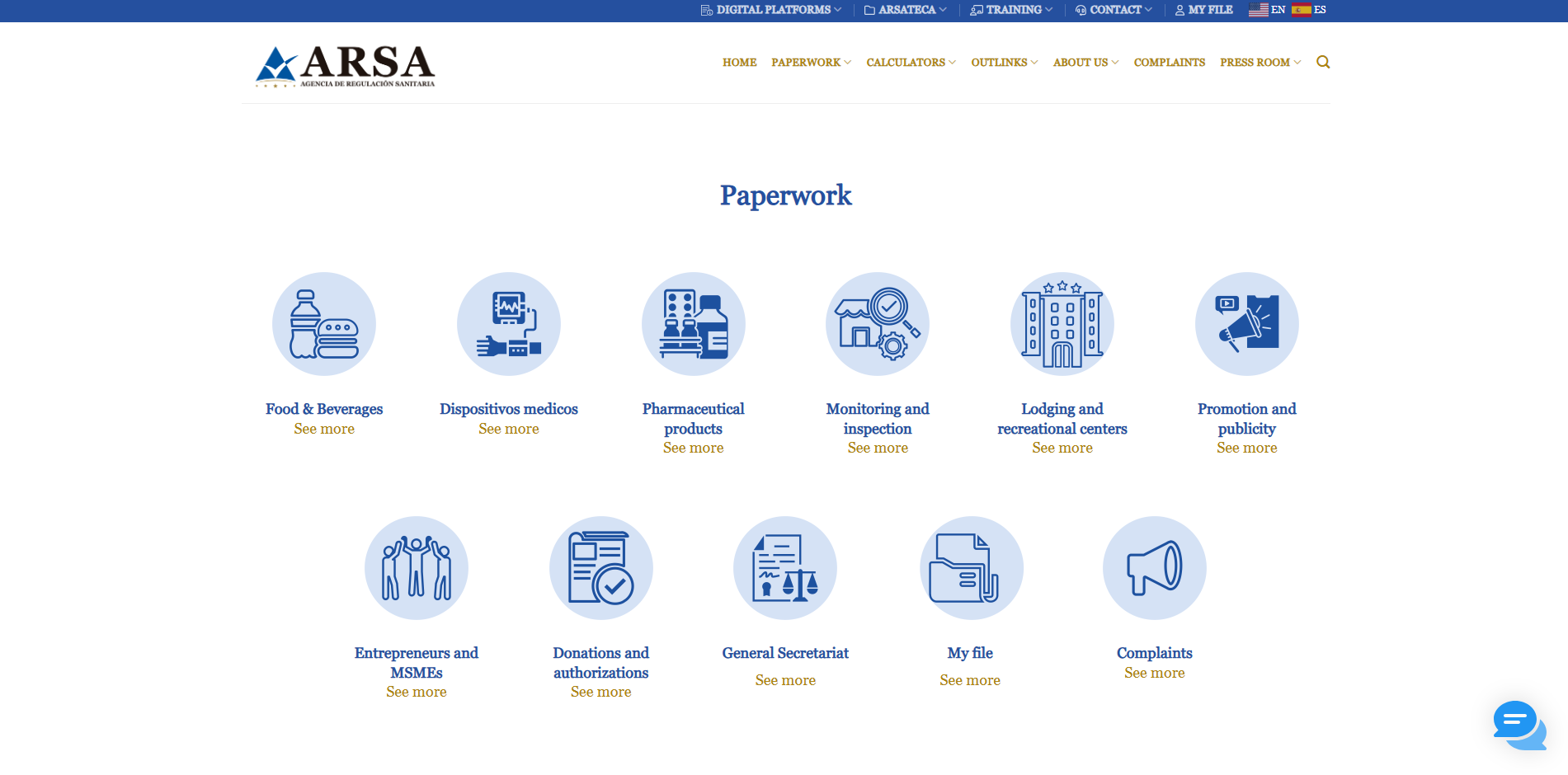
LACK OF PROPER ENGLISH VERSION
The official agency’s website is currently available in English as well.
But the usefulness is questionable, since there not much of translated content. Using the original version, plus using a browser-based translator is your best bet for navigating the site’s various menus and portals.
Interesting website sections related to pharmacovigilance
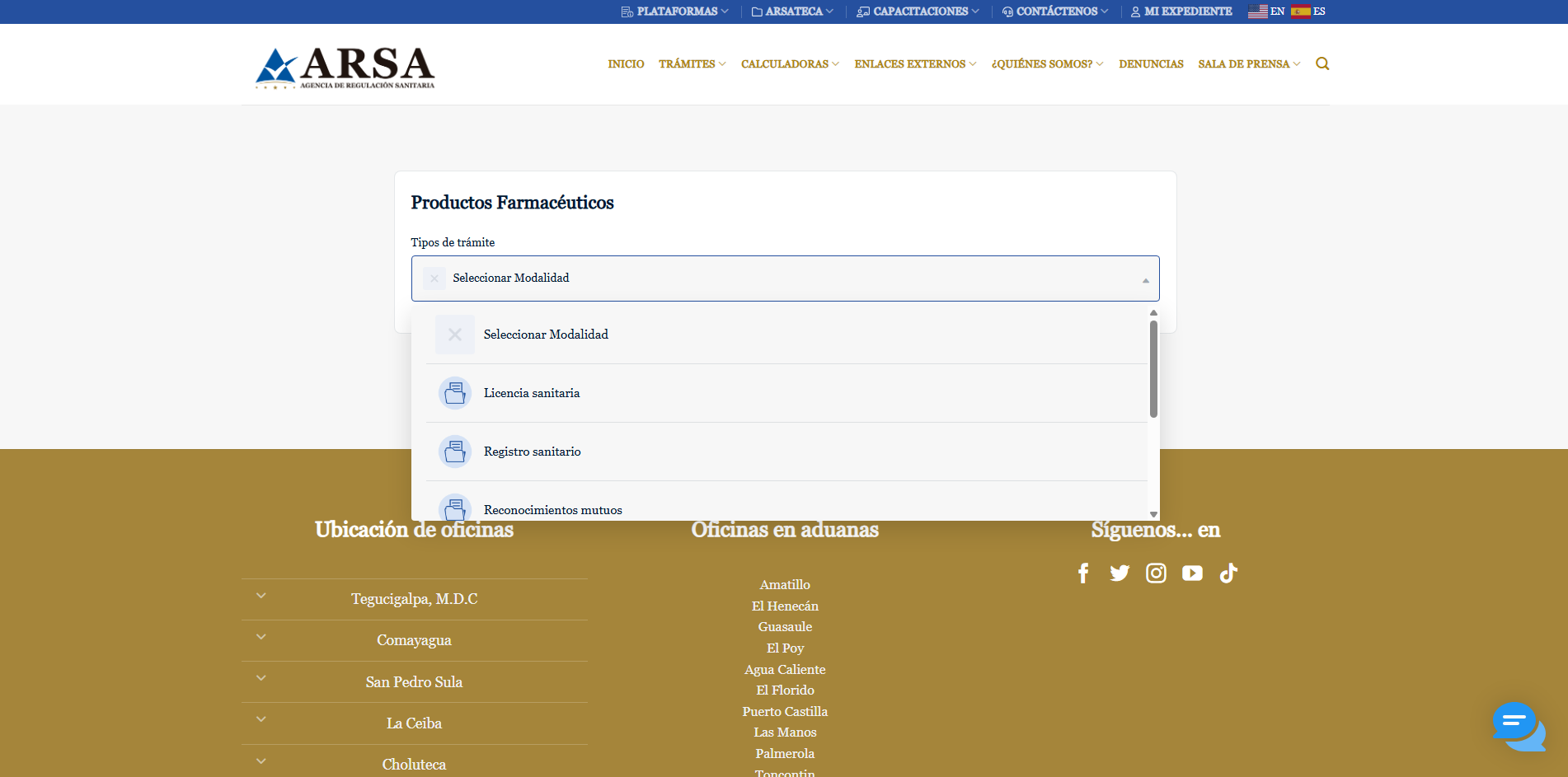
PHARMACEUTICAL PRODUCTS PROCEDURES
This is where you can map out the requirements for bringing products to the local market. It breaks down the processes for registration, health licenses, and clinical trial authorizations mandated by local health authorities.
NATIONAL PHARMACOVIGILANCE CENTER
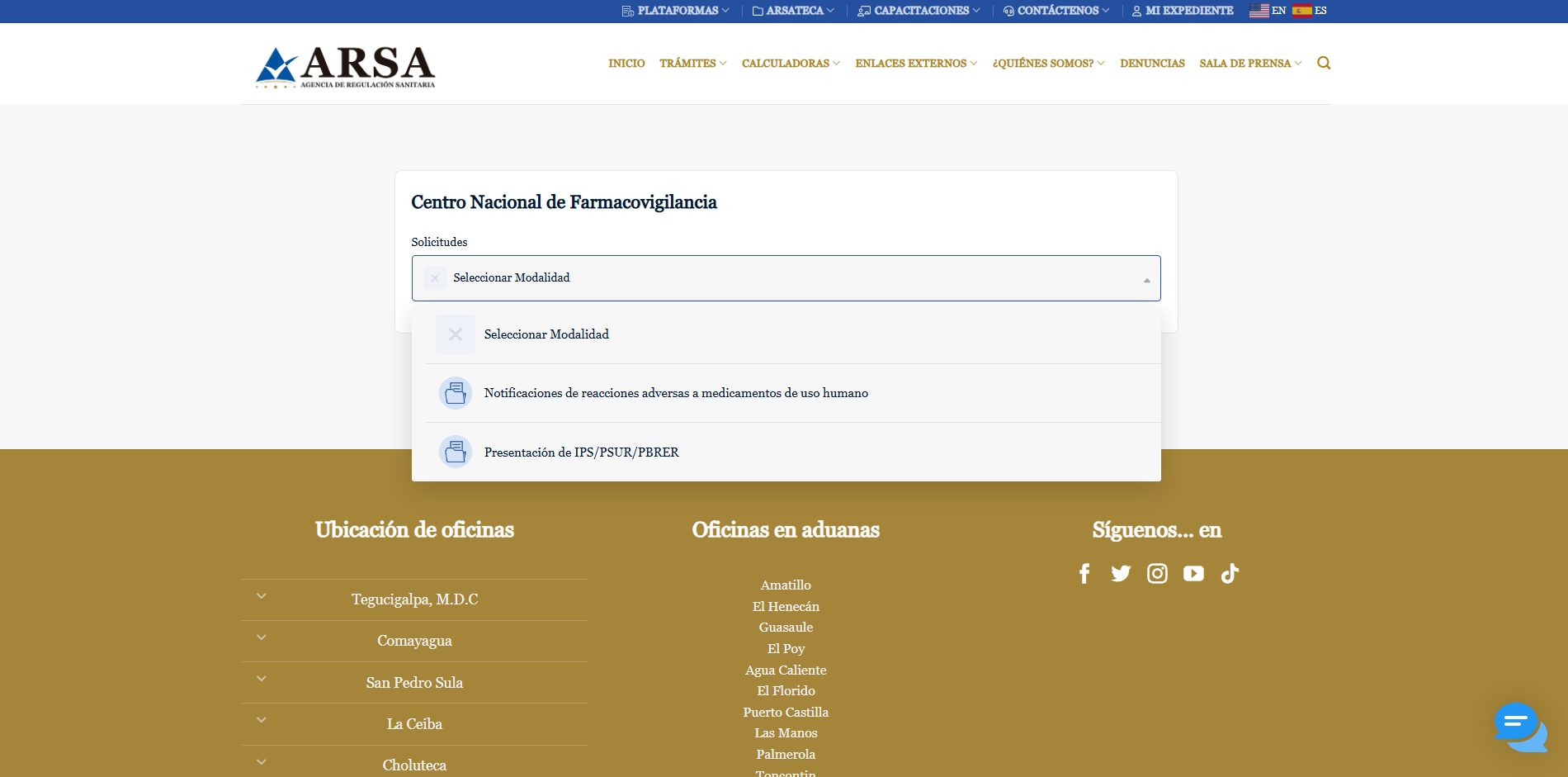
Think of this as the nerve center for drug safety. You can access the specific portals you’ll need for reporting adverse reactions and managing your periodic safety report (PSUR) obligations.
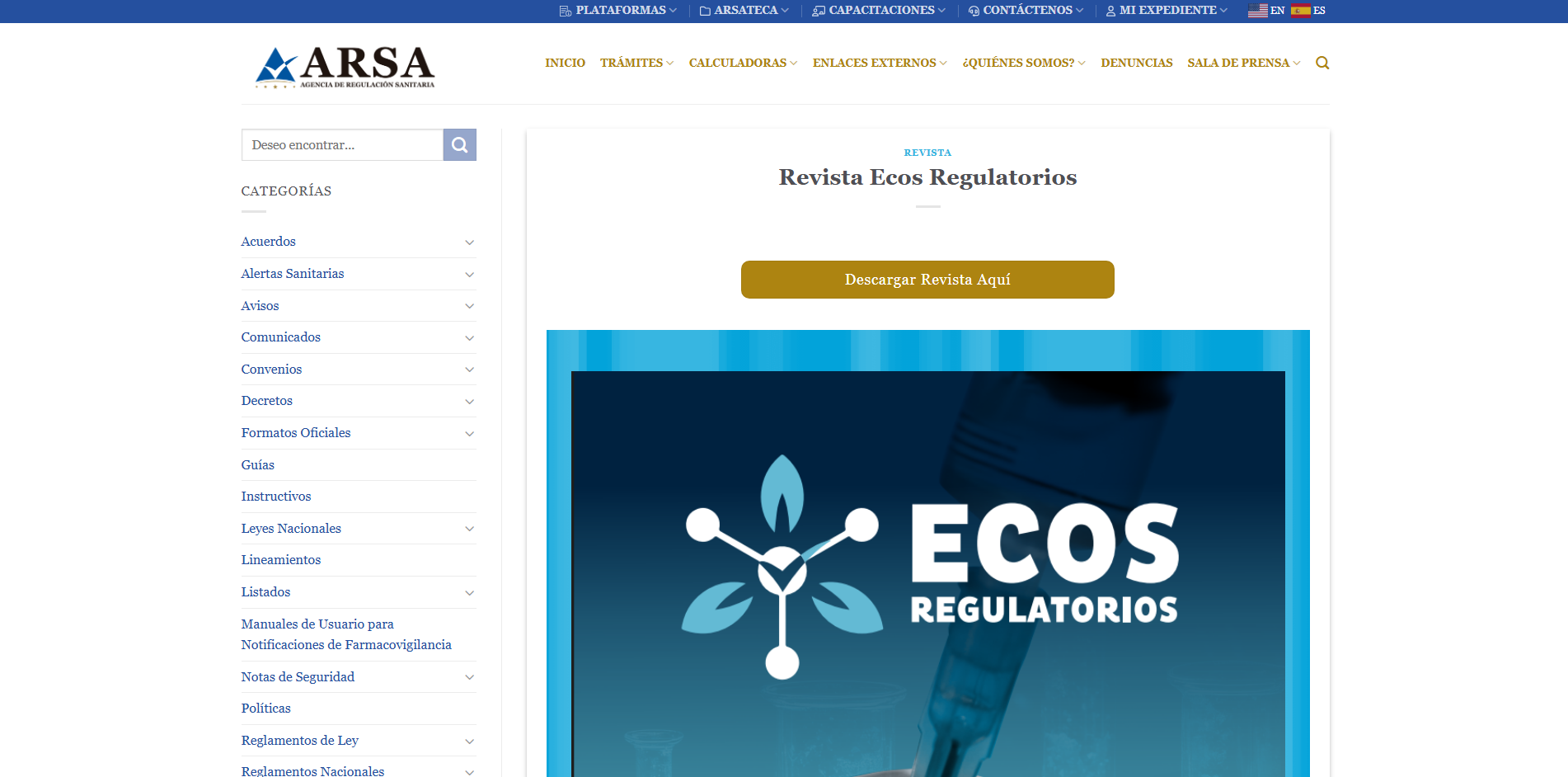
REGULATORY ECHOES MAGAZINE
It’s helpful to keep an eye on this digital publication for broader context. It provides regular updates and articles on the evolving landscape of health regulation and surveillance that might impact your compliance strategy.
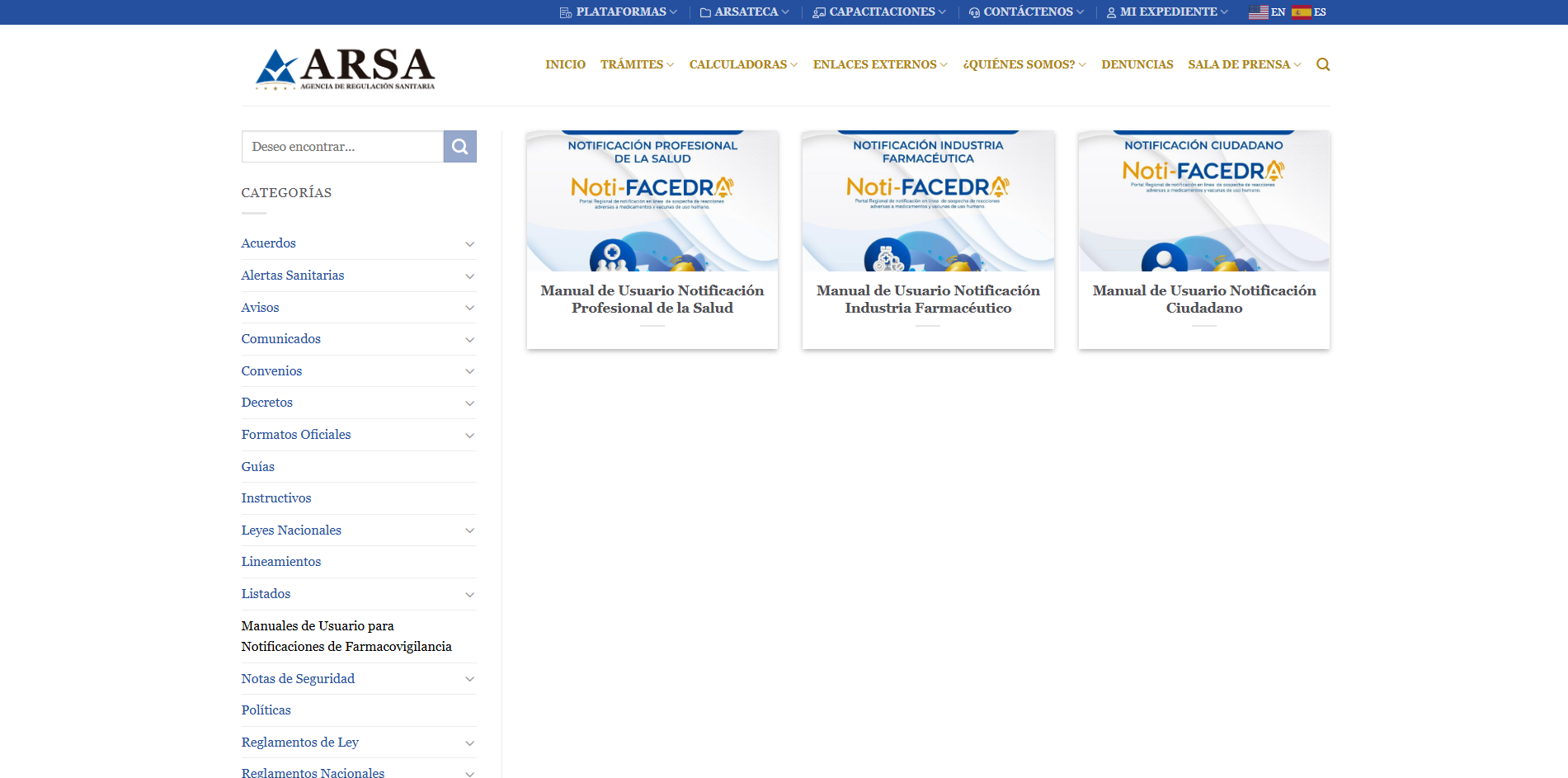
USER MANUALS CATEGORY
Navigating new digital platforms can be tricky. This section offers step-by-step manuals to help you use the official notification and reporting systems correctly without getting lost in the technicalities.
Other important institutions & industry groups
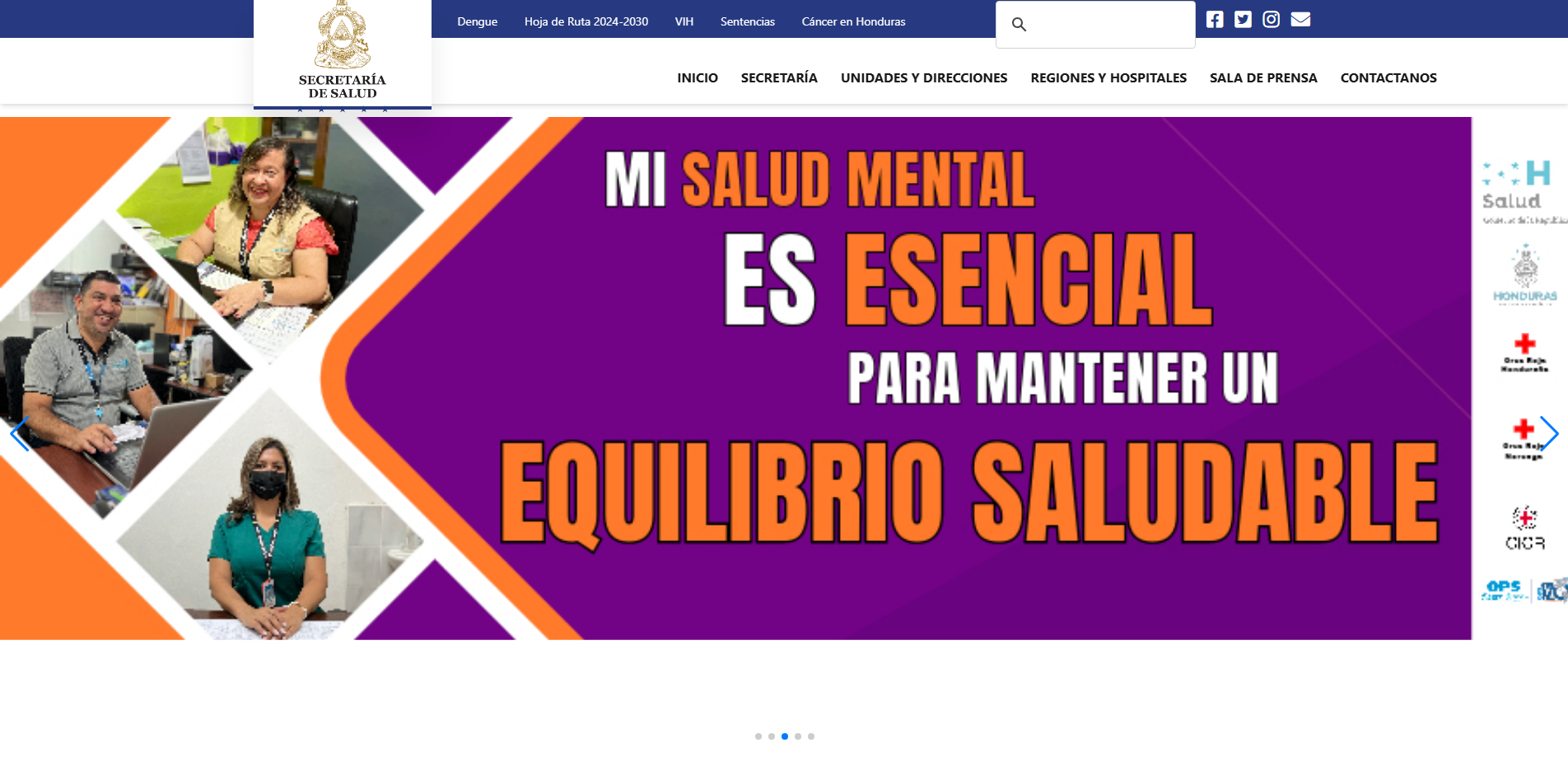
Ministry of Health
The Ministry of Health acts as the primary architect of national health policies, ensuring that medical services and public health initiatives are delivered effectively across the country. It is indispensable for pharmacovigilance experts because it sets the overarching public health priorities that influence how safety signals are managed and prioritized within the national healthcare infrastructure.
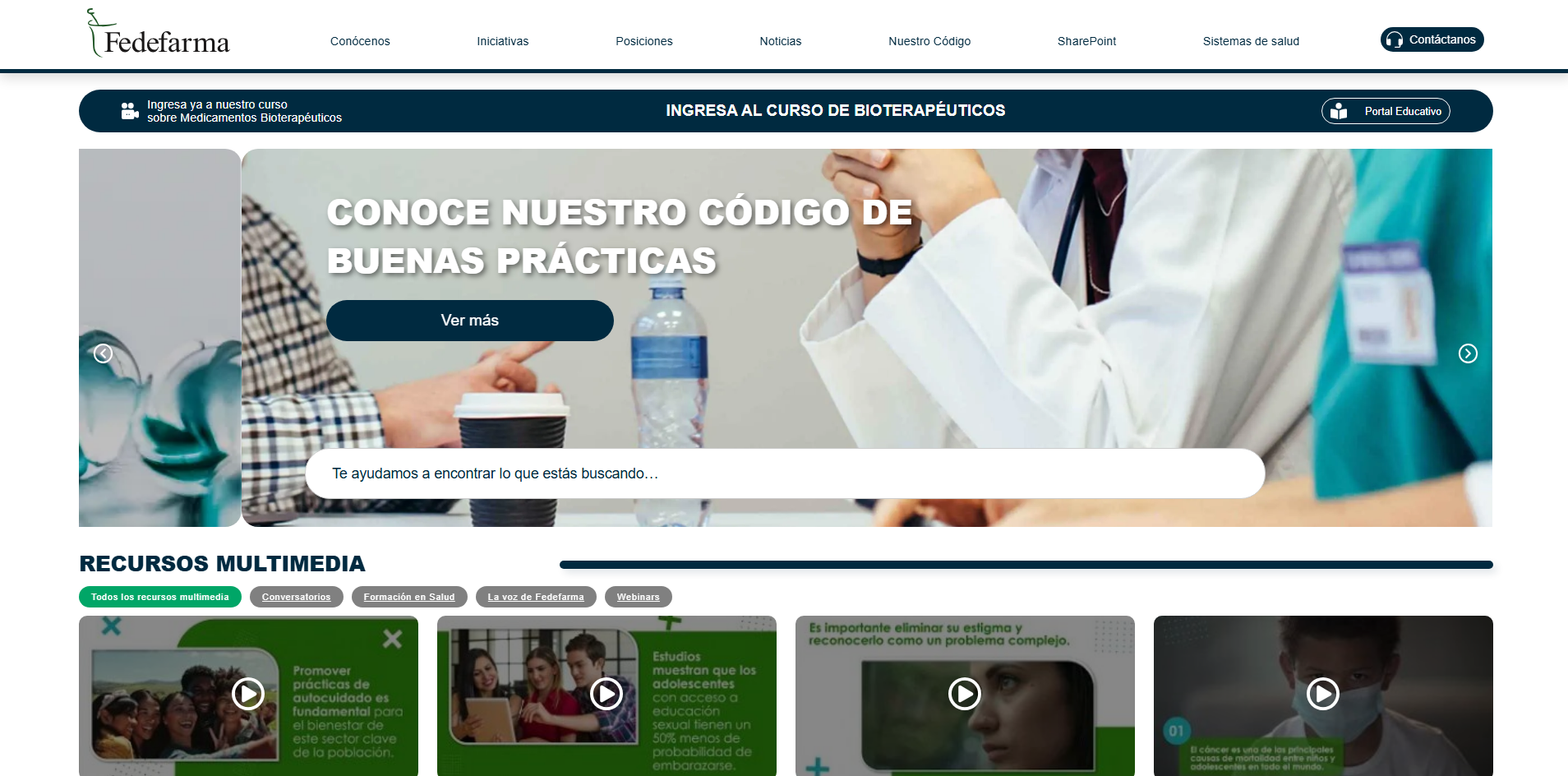
Federación Centroamericana de Laboratorios Farmacéuticos – FEDEFARMA
This regional organization represents the pharmaceutical industry across Central America and the Caribbean, advocating for high standards and sustainable healthcare systems. For drug safety professionals, it serves as a critical bridge for understanding harmonized regional trends and staying aligned with international best practices in patient access and therapeutic surveillance.
Staying ahead in this field requires constant learning, and this section offers valuable educational resources designed to sharpen professional expertise in the regional pharmaceutical landscape.
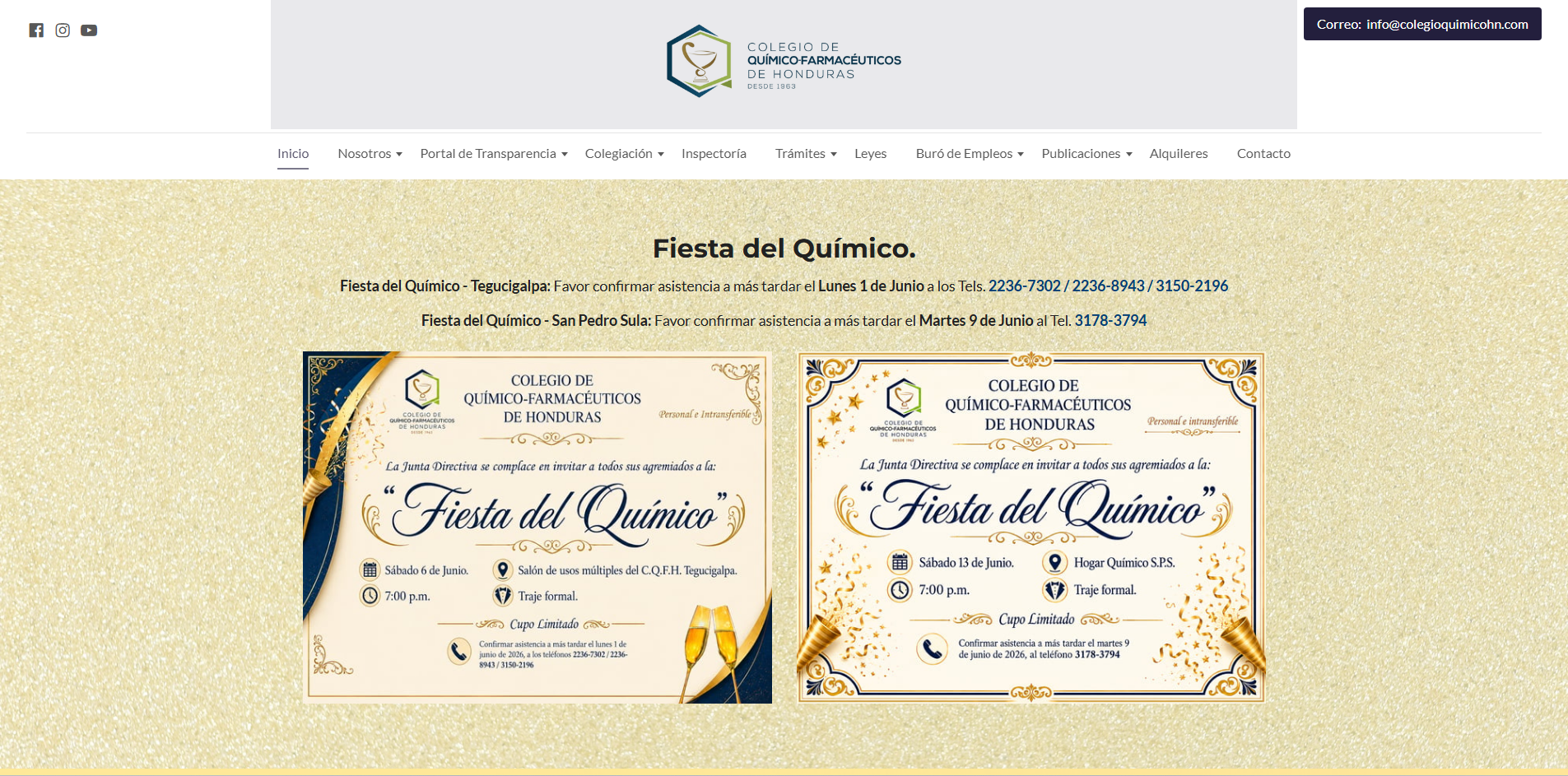
Colegio de Químico-Farmacéuticos de Honduras (CQFH)
This professional body oversees the practice of pharmacy and chemistry in the country, ensuring that all practitioners adhere to strict ethical and professional standards. It provides a vital community for safety experts to connect with licensed pharmacists who are often the front line for identifying and reporting adverse drug reactions.
Some of the most important laws
Essential legislation
HEALTH CODE (Decree No. 65-91)
The broad legal foundation for all health activities in the country. It grants the legal power to regulate medicines and ensures that public safety remains the top priority.
Reglamento Nacional de Farmacovigilancia (No. 194-ARSA-2025)
This appears to be the main PV-specific instrument cited in regional reviews of Latin American PV requirements.
Guidelines
Buenas Prácticas de Farmacovigilancia para las Américas
This PAHO framework establishes the regional standards for organizing national surveillance systems, risk management, and reporting workflows across Latin America. It serves as an essential reference for local professionals to align their safety operations with harmonized international best practices.
Local pharmacovigilance specifics
Useful abbreviations to know
If you want to study local materials about pharmacovigilance in Honduras, following terms will be helpful for you to get familiar with:
RAM (Reacción Adversa a Medicamento)
→ Any harmful and unintended response to a medicinal product.
CNFV (Centro Nacional de Farmacovigilancia)
→ This specialized unit within ARSA is responsible for coordinating the national pharmacovigilance system.
PGR (Plan de Gestión de Riesgos)
→ Honduras requires this document to describe the activities intended to identify, characterize, and minimize the risks of a medicinal product.
IPS (Informe Periódico de Seguridad)
→ This is the national term for the Periodic Safety Update Report (PSUR).
ARSA: Agencia de Regulación Sanitaria
→ This is the national regulator.
Is a local designated person needed?
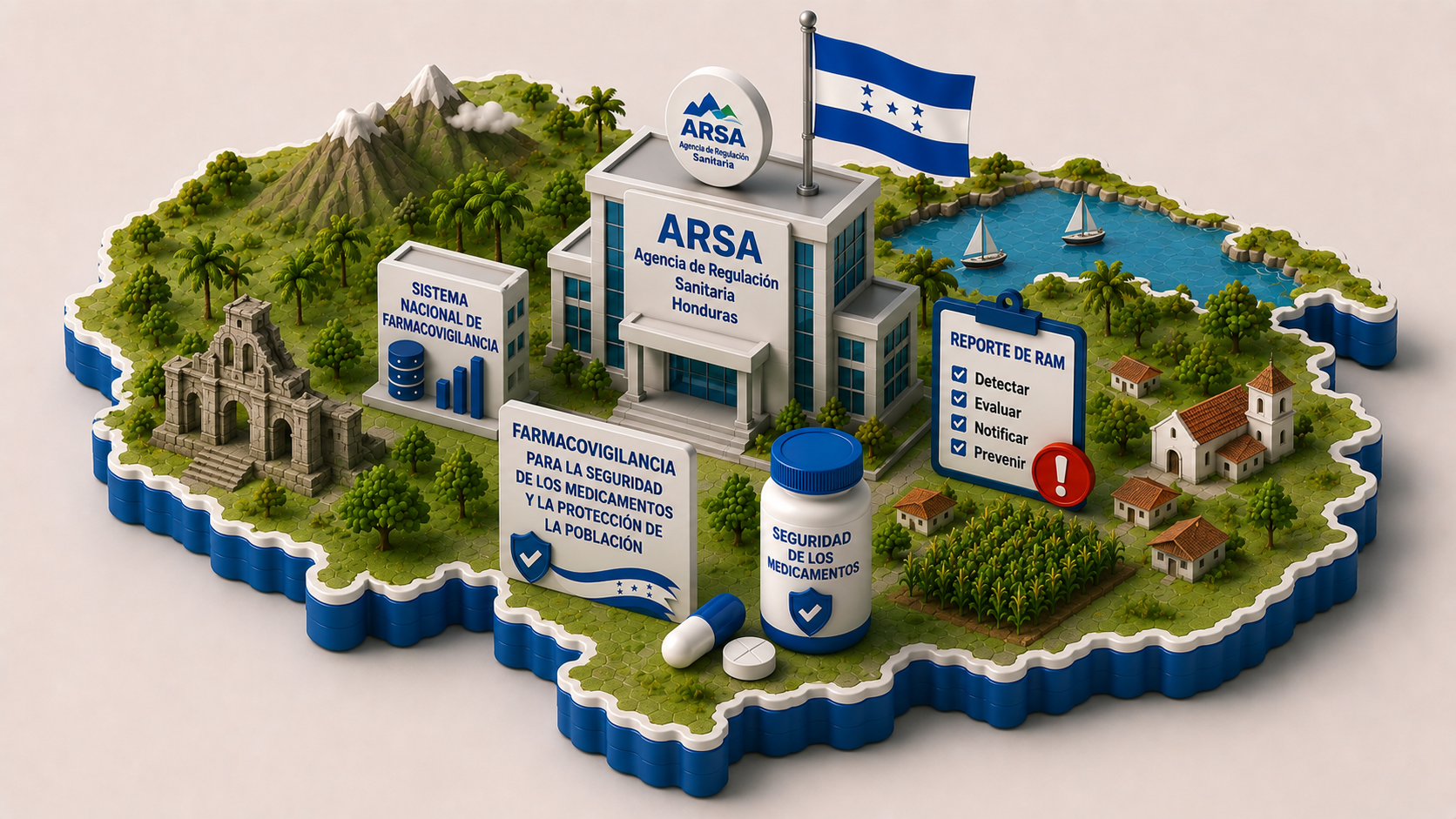
Honduras mandates a dedicated local contact to manage the pharmacovigilance system, under the Reglamento Especial para la Farmacovigilancia (Acuerdo No. 194-ARSA-2025), this role is officially designated as the professional responsible for the pharmacovigilance system.
The appointee must be locally based in-country to facilitate immediate safety signaling and must possess the Spanish language skills necessary for all official regulatory submissions. Candidates are generally expected to be healthcare professionals, such as pharmacists.
How can be adverse events reported in Honduras?
Healthcare professionals, patients, and pharmaceutical companies can report adverse reactions through the official online reporting portal to submit notifications, which provides specific electronic forms.
Local medical journals to screen
Here are few examples of Honduran local literature that medical authorization holders should monitor:
REVISTA MÉDICA HONDUREÑA (RMH)
As the longest-standing scientific publication in the country, this journal features a broad range of peer-reviewed research and clinical reviews.
For a safety professional, it is an essential source for identifying case reports on adverse drug reactions and understanding the local clinical context of therapeutic treatments in Honduras.
ISSN: 1995-7068
REVISTA DE LA FACULTAD DE CIENCIAS MÉDICAS (RFCM-UNAH)
This journal focuses on clinical research and health management within the national hospital system.
It provides a valuable window into drug utilization patterns and local safety profiles, making it a key resource when you need to align your risk management strategies with real-world data from public health centers.
ISSN: 1991-5233
REVISTA CIENTÍFICA DE LA ESCUELA UNIVERSITARIA DE LAS CIENCIAS DE LA SALUD (RCEUCS)
This publication highlights research from the health sciences community, with a strong emphasis on epidemiology and primary care outcomes.
You can use this journal to monitor regional health trends and academic studies that often contain early signals or therapeutic observations.
ISSN: 2411-6289
Rather then spending your budget for hours of repetitive manual work to monitor those sources, we recommend to simply automate this task using our Tepsivo Literature solution.
Other interesting resources
COUNTRY HEALTH PROFILE & STATISTICS
Health in the Americas: Honduras Country Profile
This profile tracks demographic shifts and the major legislative push to restore the Ministry of Health’s stewardship via a new National Health System Law. It provides critical context on maternal-child health trends and the country’s strategic pivot toward universal health coverage and primary care.
WHO Health Data Overview: Honduras
This data hub provides a consolidated look at mortality drivers, health system capacity, and progress toward the WHO Triple Billion targets. It is particularly useful for analyzing gaps in the health workforce and the significant burden of noncommunicable diseases and external causes like violence.
Scientific publications on pharmacovigilance in Honduras
Transformación digital en Honduras: sistema de información para la vigilancia de ESAVI/EVADIE
You’ll find a detailed account of how Honduras moved its vaccine safety monitoring into the digital age using the DHIS2 platform. It’s a useful blueprint for anyone looking to understand how the country centralizes adverse event reporting and integrates international standards like MedDRA.
This review highlights the EVADIE system in Honduras as a regional success story for digital innovation. It’s a great resource for understanding the move toward online notification systems and the challenges of implementing AI-driven safety tools in Latin American contexts.
An expert review of clozapine in Latin American countries: Use, monitoring, and pharmacovigilance
Monitoring high-risk drugs requires extra effort, and this expert review benchmarks clozapine safety protocols across the region. It provides a sobering look at why specialized monitoring remains a challenge and where local reporting systems often see the most significant gaps.
Quality of medicines and public health in Latin America and the Caribbean (LAC): a review
This paper tackles the systemic issues of substandard and falsified medicines, which can significantly skew safety data. It’s a key read for understanding how limited lab infrastructure and enforcement can impact the overall reliability of the pharmaceutical supply chain in the region.
OFFICIAL GUIDELINES & REPORTS
Buenas Prácticas de Farmacovigilancia para las Américas
This PAHO framework establishes the regional standards for organizing national surveillance systems, risk management, and reporting workflows across Latin America. It serves as an essential reference for local professionals to align their safety operations with harmonized international best practices.
Do you need some help with putting the Honduran PV System together? We’re here for you.

And while you’re here…
…consider also our global end-to-end PV solution!
Thanks to the Tepsivo platform, you can get a full pharmacovigilance system in all countries you need – for a fraction of the usual budget.
Tepsivo Oy | Haartmaninkatu 4, Building 14, 00290, Helsinki, Finland | VAT number FI31367614 | contact@tepsivo.com | +358 402 204 698 | Privacy policy
