1

Pharmacovigilance in Chile

How is it with the drug safety system in the “Land of Moai statues”? Read our guide to get a clear picture.

And of course, if you feel you need a local consultant, we’re here for you.

Current status of our Chilean pharmacovigilance services:

Contact person in Chile

AVAILABLE

Easily managed through Tepsivo Platform >

Local Literature Screening

AVAILABLE

Automated monitoring with Tepsivo Literature >

Who is the main PV authority in Chile?

RESPONSIBILITY FOR NATIONAL PV SYSTEM

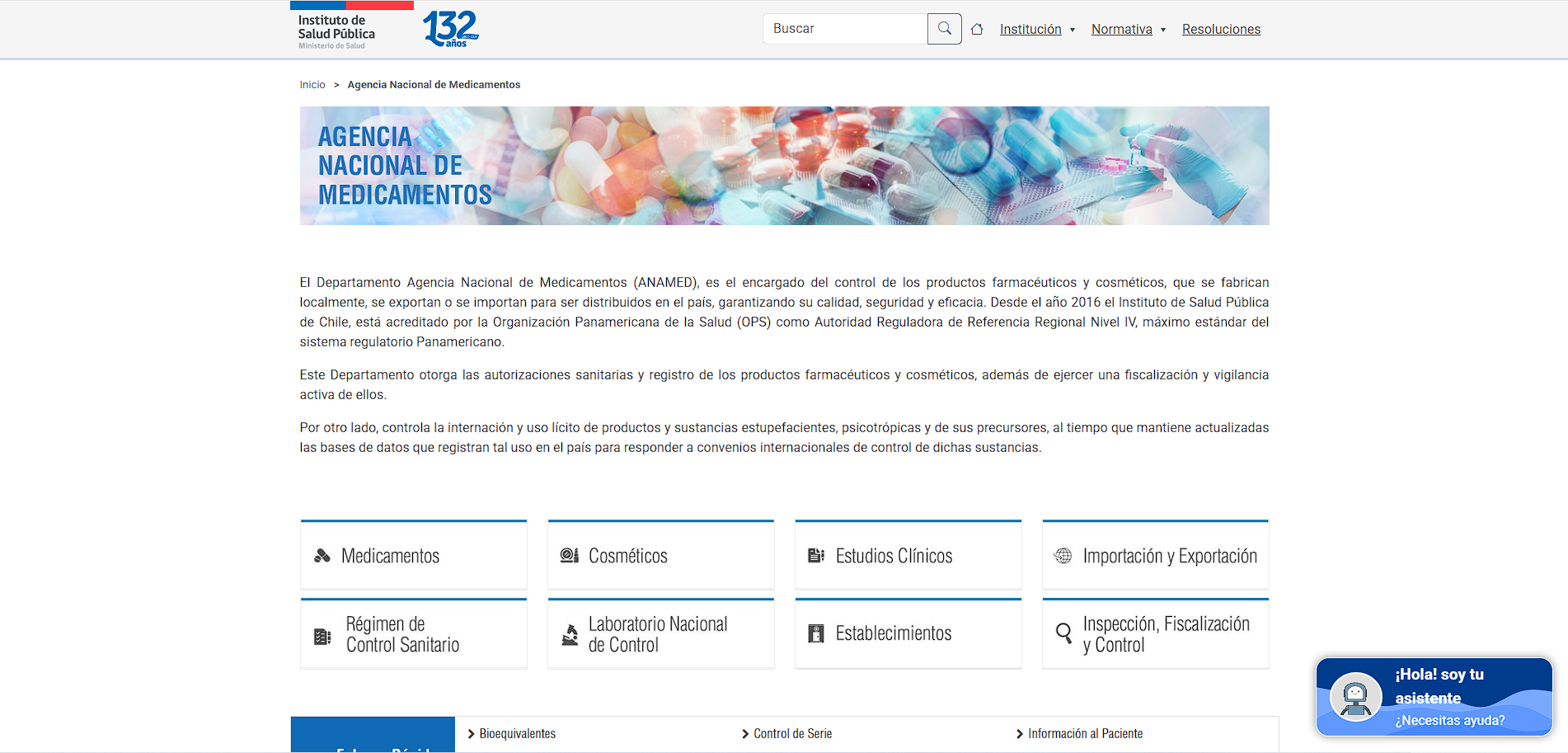
The main authority on pharmacovigilance in Chile is the Public Health Institute of Chile (ISP) through its agency, that oversees the safety and efficacy of medicines, which is called ANAMED.

This agency is responsible for coordinating PV activities, including monitoring adverse drug reactions and ensuring the safety of medications used within the country.


Useful insights about the authority website
NO CONTENT IN ENGLISH

The website does not offer English translation. So, the only possibility is to use the website in its original Spanish version and utilizing a translation tool. This approach will significantly increase your chances of finding the information you need.

Interesting website sections related to pharmacovigilance
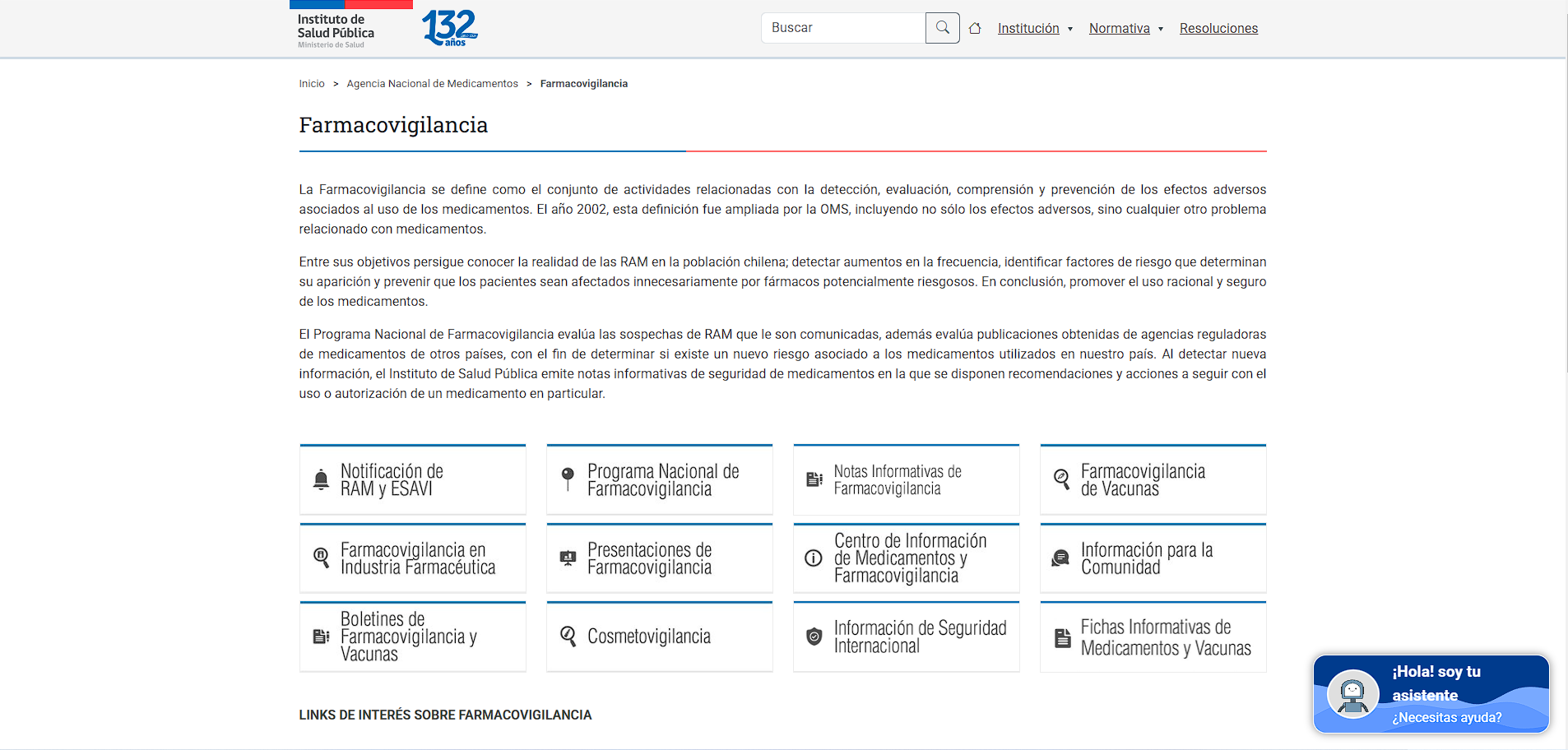
PHARMACOVIGILANCE

Here, general information on PV can be found as well as some more concrete areas regarding pharmacovigilance, such as Pharmacovigilance Information Notes, or, Pharmacovigilance Bulletins, which cover topics like national statistics on suspected adverse drug reactions, pharmacovigilance methods and results etc.

Visit the section >

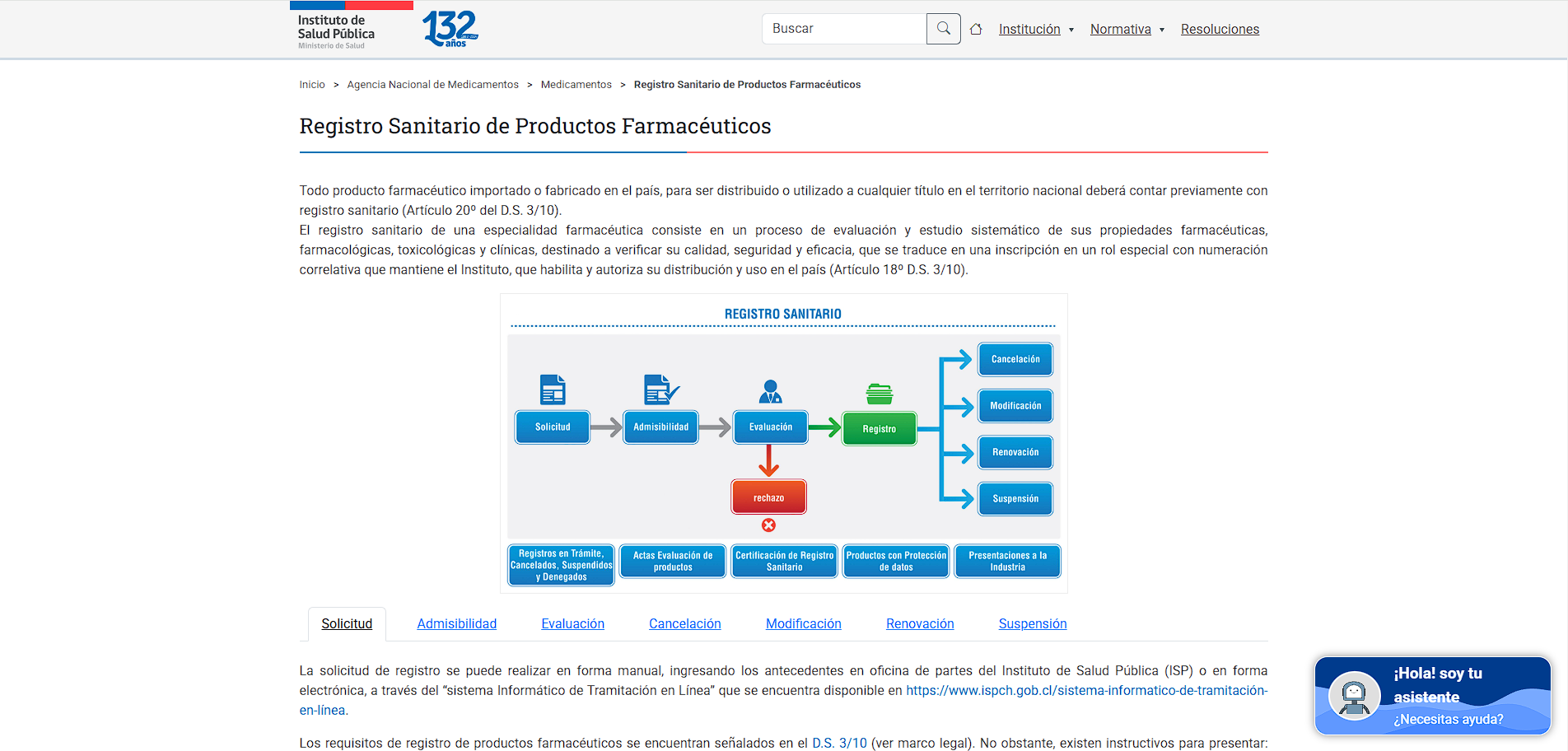
REGISTRATION OF PHARMACEUTICAL PRODUCTS

This section contains everything you need to know about the registration process, there are individual subsections regarding application, withdrawal, cancellation as well as some technical guides.

Visit the section >


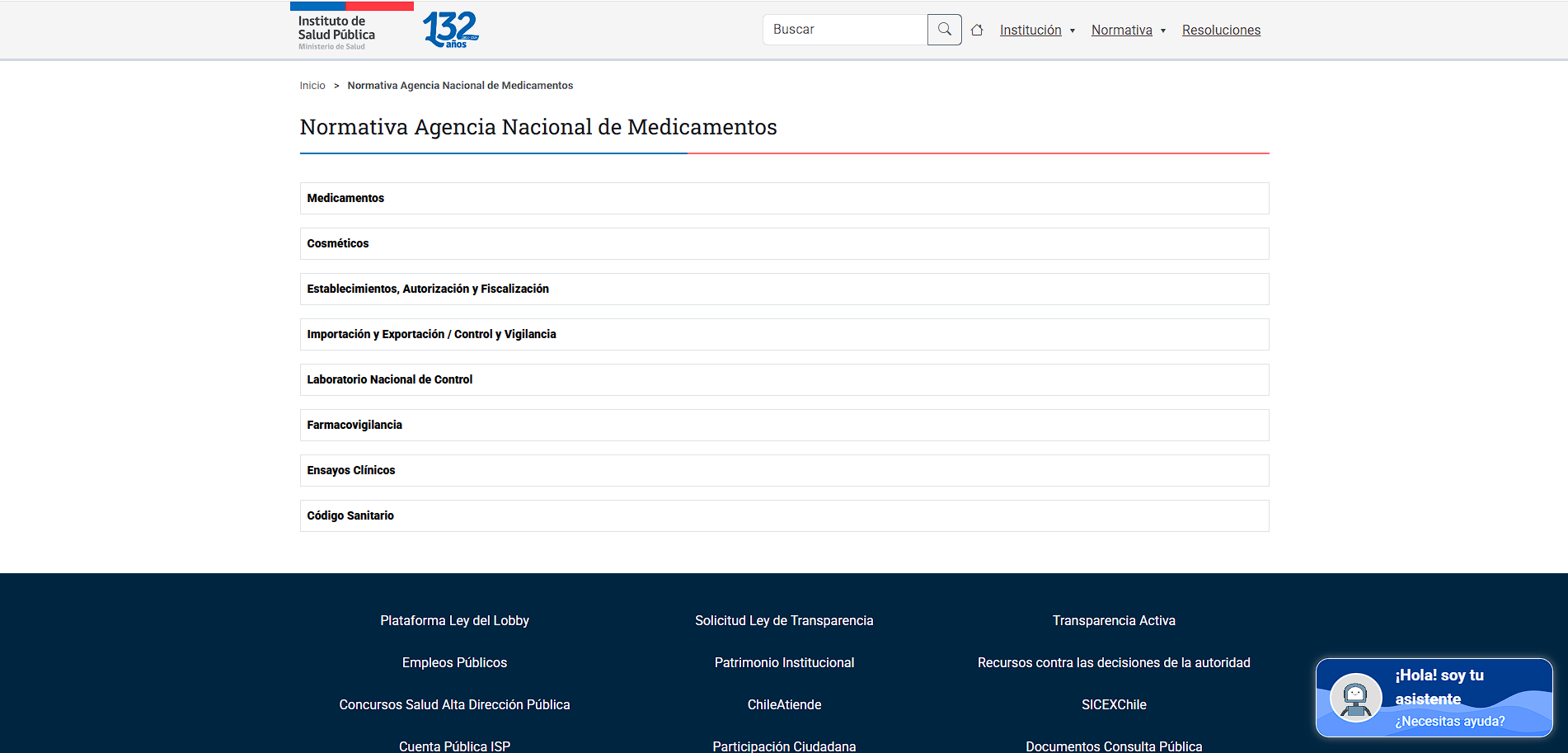
REGULATIONS

A vast library full of important legislation acts regarding many areas, such as medicine, pharmacovigilance and much more. Each publication there you can view as PDF.

Visit the section >

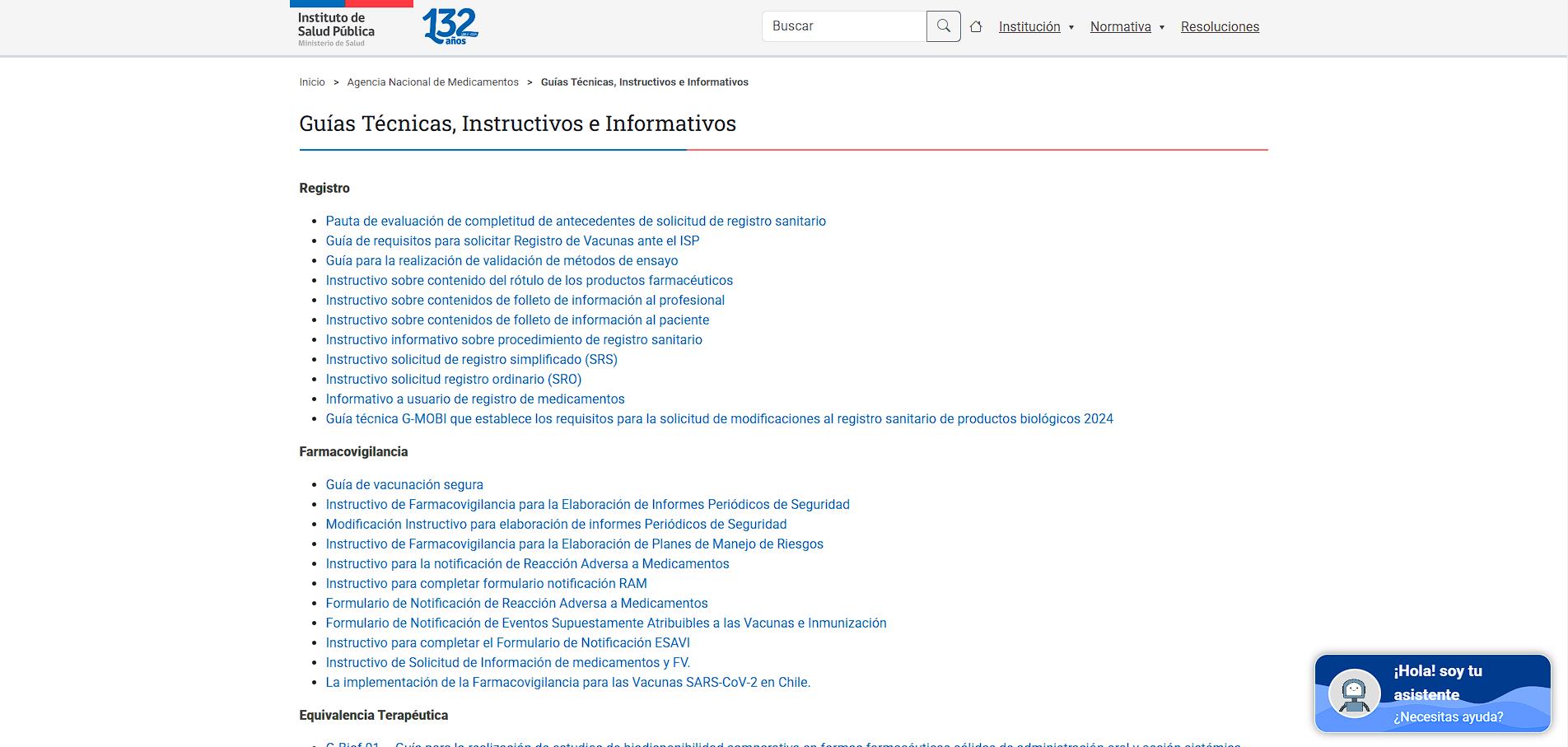
GUIDES & INSTRUCTIONS

Basically another library, this time it includes various guides and instruction covering many areas like pharmacovigilance, clinical trials and more, there are also some forms to download. It’s quite a big section, so we definitely recommend visiting.

Visit the section >

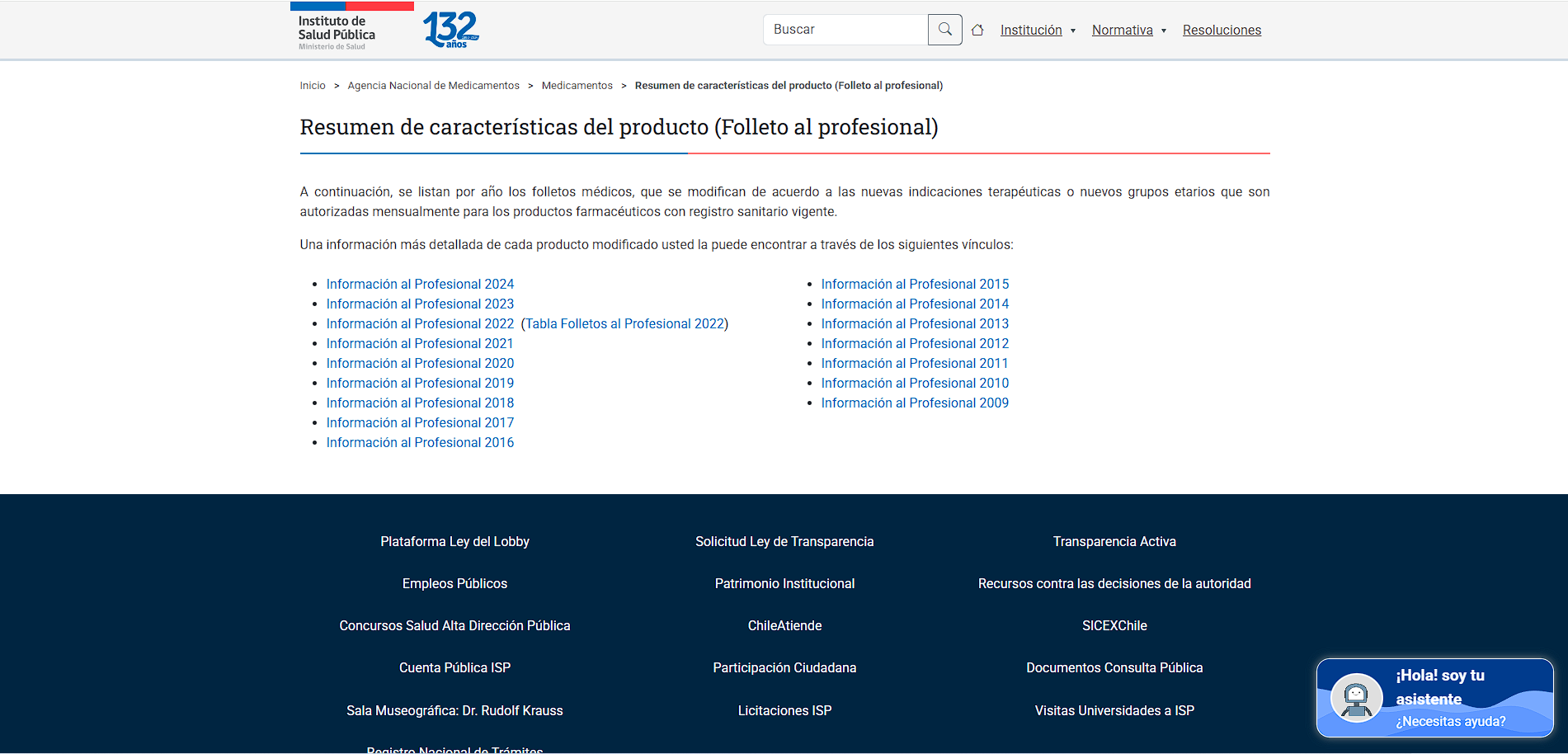
SUMMARY OF PRODUCT FEATURES

Medical brochures organized by year, updated each month to reflect new treatment guidelines or age groups approved for pharmaceutical products with valid health registrations, all in user-friendly tables.

Visit the section >

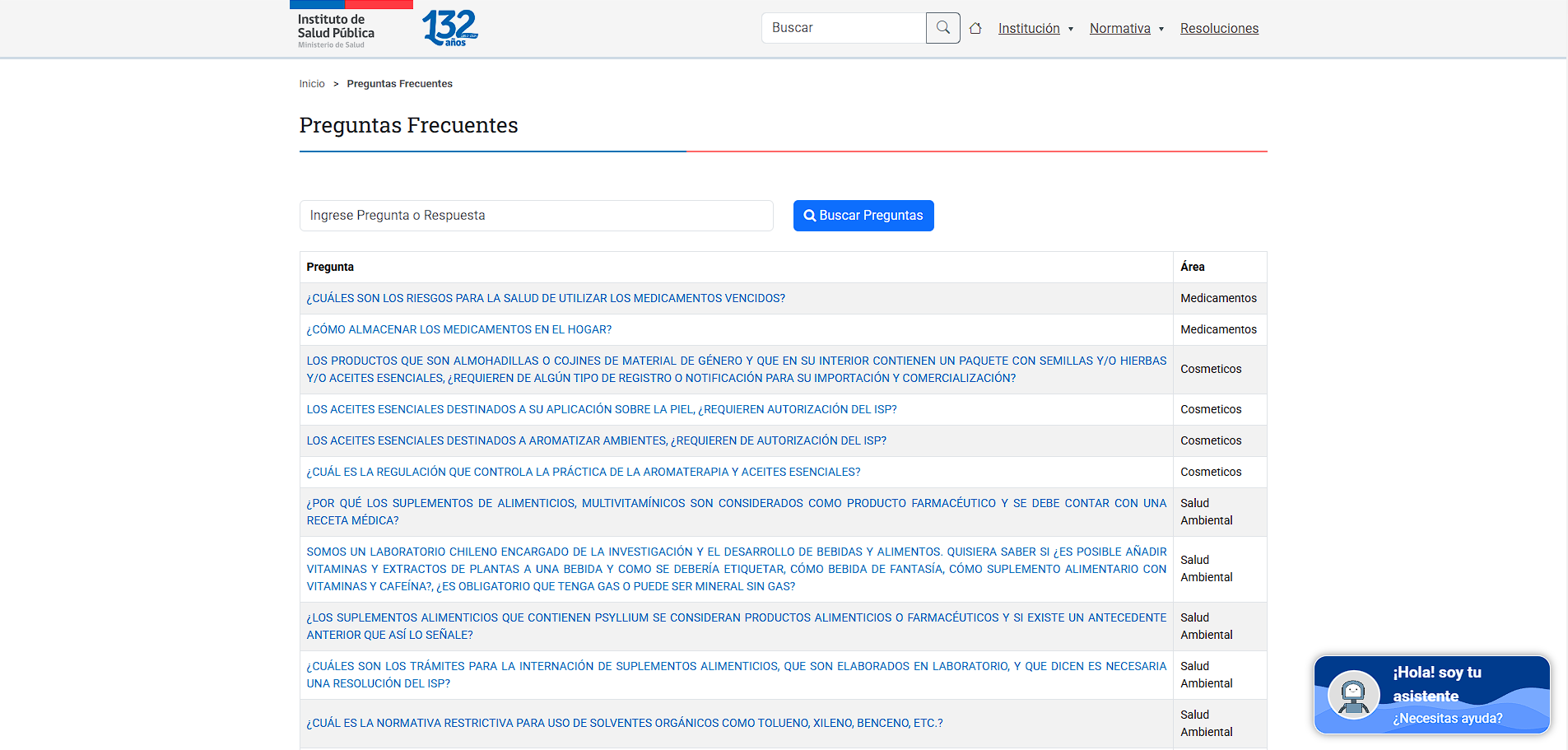
FREQUENTLY ASKED QUESTIONS

Clasiccal Q&A section, though this on is not sorted into individual categorie for better navigation, so search for some concrete topic might be hard, since there are dozens of pages, but at least you can search within these section.

Visit the section >

Other important institutions & industry groups
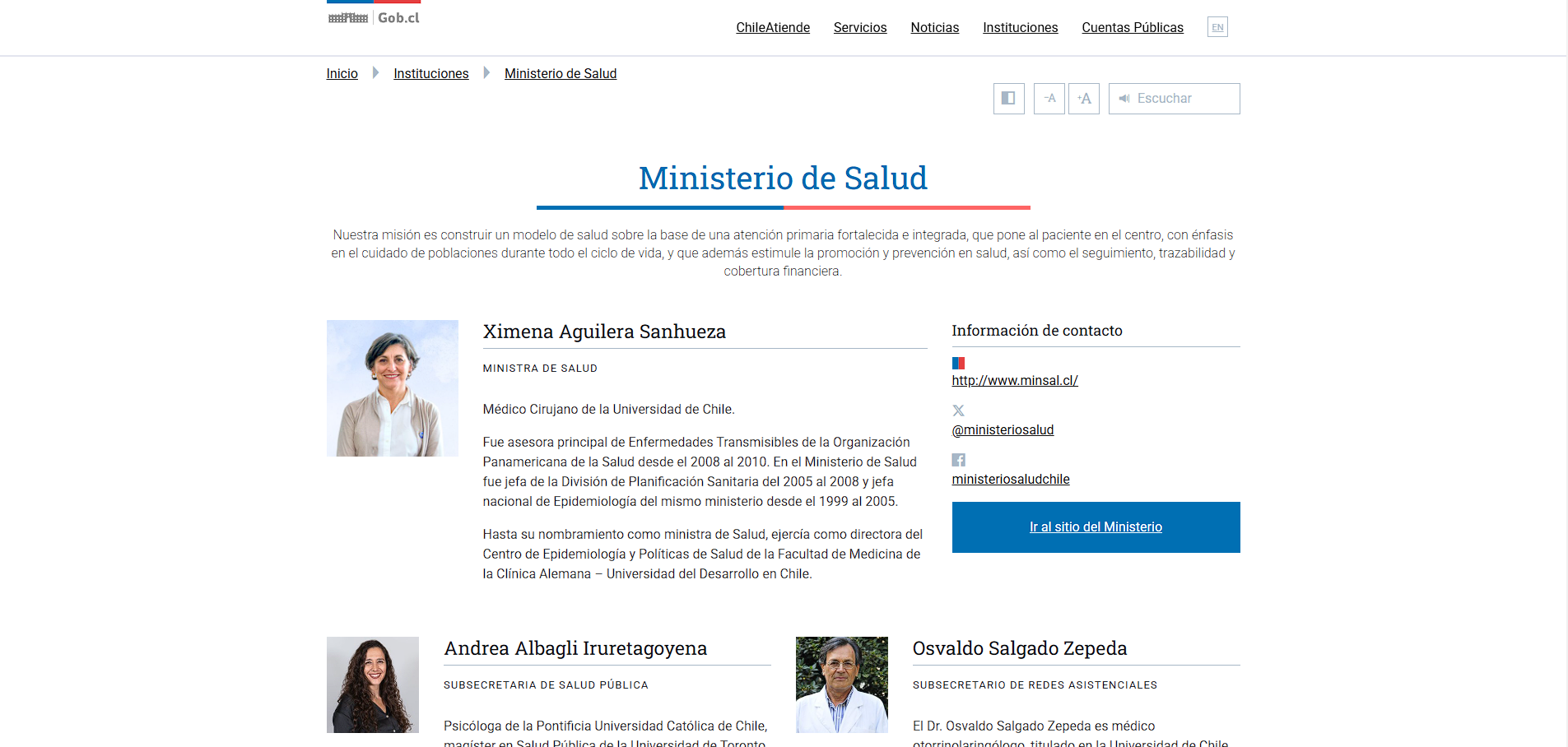
MINISTRY OF HEALTH

A cabinet-level administrative office responsible for public health policy in the country. MINSAL is tasked with planning, directing, coordinating, executing, and informing on health policies formulated by the President of Chile.

There’s truly not much to see on the ministry’s website, basically just who is in charge and then there are links for other agencies that are under the Ministry of Health, such as Public Health Institute (ISP) and other. Though it does not concern pharmacovigilance, if you’d be interested in what does the Chile’s government do, its successes and so on, head into this section called “Public accounts”.

Ministry’s website: https://www.gob.cl/ministerios/ministerio-de-salud/

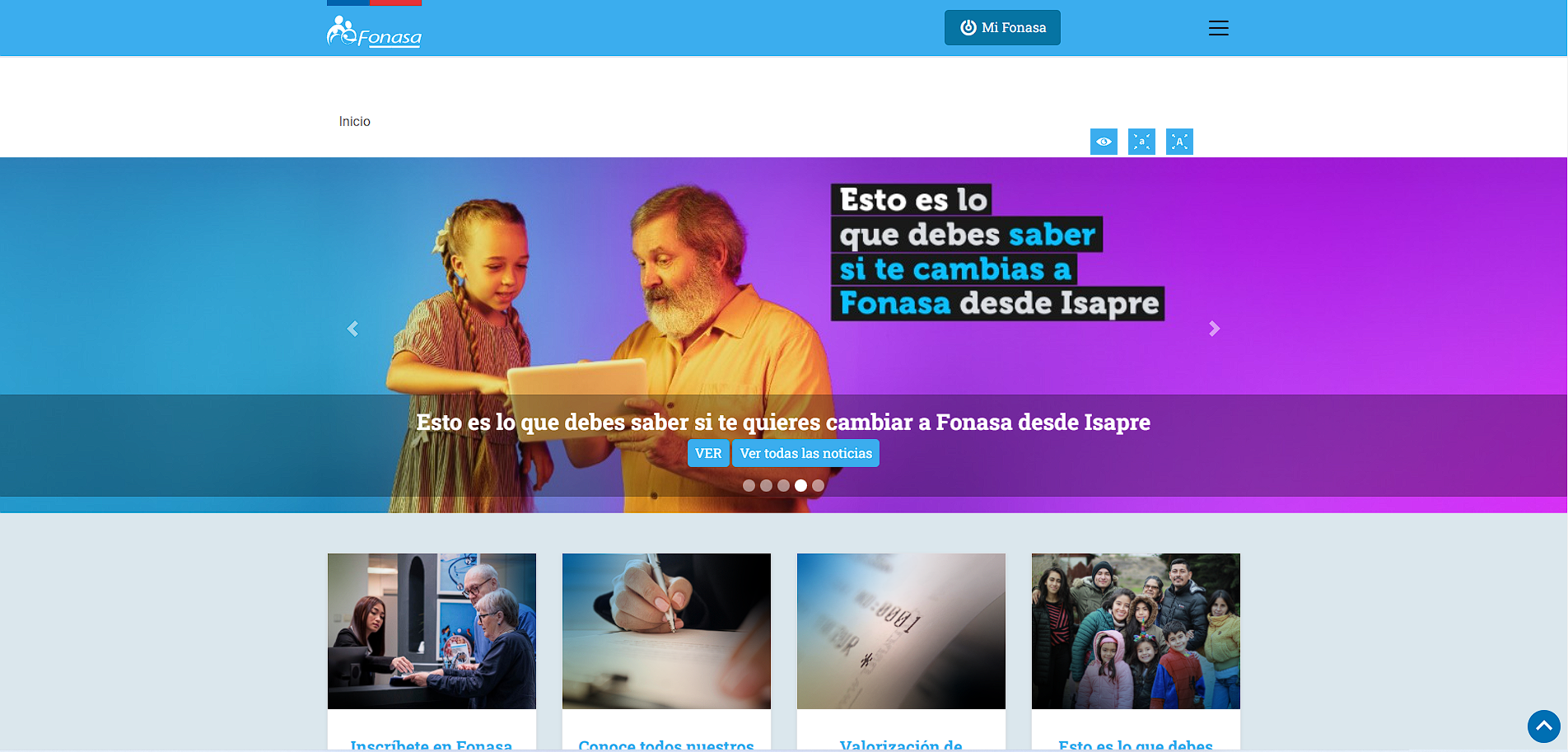
FONDO NACIONAL DE SALUD (FONASA)

This is the national health fund that provides health insurance coverage to the majority of the Chilean population. FONASA plays a critical role in financing healthcare services and ensuring access to medical care.

There is only one interesting section, that may come in hand and that is the statistical section. There you can see some of the interactive statistics, such as Beneficiary Population, Medical Loans, see some studies (for example about health cost) or read publications including statistical analysis and demographic and socioeconomic studies from FONASA.

FONASA’s website: https://www.fonasa.cl/sites/fonasa/inicio

CÁMARA DE LA INNOVACIÓN FARMACÉUTICA (CIF)

The Pharmaceutical Innovation Chamber is a trade association that has enacted self-regulatory codes for its member companies regarding the ethical promotion of pharmaceutical products.

Although the website is very nice in terms of appearance, it is worse in terms of content. There are virtually only two sections whatsoever, the first one is the news, where as it seems you can find combination on what’s new in the industry, but mainly what’s going on with the Chamber. And the second one is about their “Practises Ecosystem”, where they tell you about tools for monitoring and ensuring that member laboratoriesfollow the ethical standards outlined in their Code of Good Practices.

CIF’s website: https://cifchile.cl/

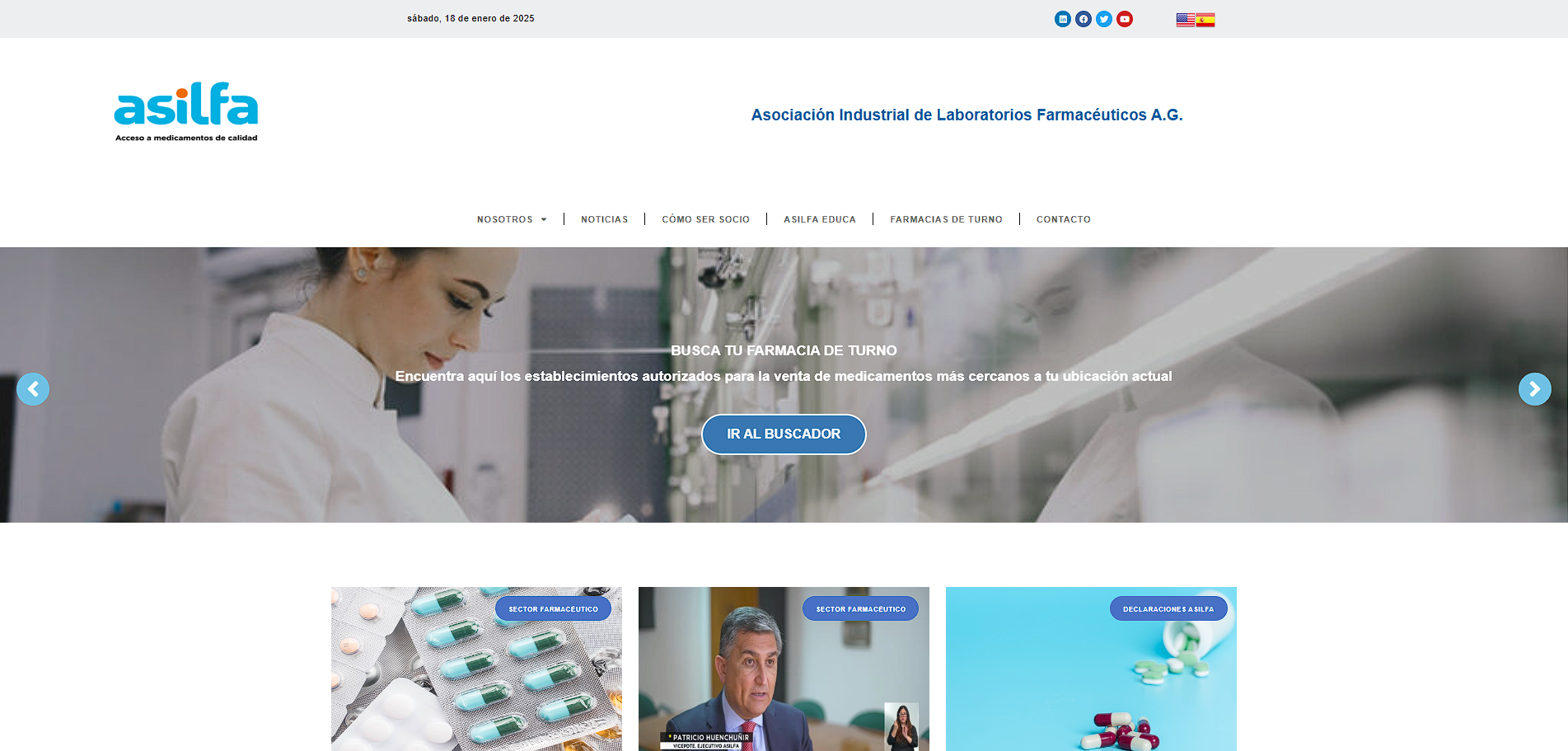
ASOCIACIÓN INDUSTRIAL DE LABORATORIOS FARMACÉUTICOS (ASILFA)

The Industrial Association of Pharmaceutical Laboratories is another trade group that has established self-regulatory codes for its members.

Once more the content is not breathtaking, but there is at least one different section (other than news, but will get to that) and it’s called “ASILFA Educates”, there you can find some articles, such as “What is pharmacology and what is its importance?” or “What is pharmacovigilance and why is it important?” And of course then there is the news section, covering the industry and ASILFA itself.

ASILFA’s website: https://asilfa.cl/

Some of the most important laws

Basic legislation

Health Code (Decree with Force of Law DFL 725)

This foundational law outlines the general rules for health promotion and protection in Chile, including provisions related to pharmaceutical products.

2012 Resolution 381

This norm strengthens drug safety surveillance and specifies the responsibilities of those involved in pharmacovigilance activities.

2012 Resolution 441

Indicates how to notify adverse drug events that occur in clinical trials.


      Guidelines

      There does not seem to be some specific guidelines on pharmacovigilance, though there are many guides on various areas and they seem to be at one place, so no harm looking there, maybe there is something you’ll be satisfied with.

      Local pharmacovigilance specifics

      Useful abbreviations to know

      If you want to study local materials about pharmacovigilance in Chile, following terms will be helpful for you to get familiar with:

      EVADIE (Eventos Adversos de Interés Especial)
      → Adverse Events of Special Concern

      ESAVI/SVI (Sistema de Vigilancia Integrada)
      → Integrated Surveillance System

      TRS (titulares de registro sanitario)
      → Health Registration Holders

      ISP (Instituto de Salud Pública de Chile)
      → main authority on pharmacovigilance

      ANAMED (El Departamento Agencia Nacional de Medicamentos) 
      → key regulatory body in Chile that oversees the safety and efficacy of medicines

      Is Qualified Person Responsible for Pharmacovigilance needed?
      In Chile, the role of a Qualified Person Responsible for Pharmacovigilance (QPPV) is not explicitly mandated.

      However, marketing authorization holders (MAHs) are still responsible for ensuring that pharmacovigilance activities are effectively managed, which may involve appointing a qualified individual to oversee these processes and ensure compliance with local regulations and safety standards.

      How can be adverse events reported in Chile?

      Healthcare professionals are required to report suspected ADRs, patients and consumers can also report ADRs directly to the authorities.

      ISP provides an online reporting form for healthcare professionals and consumers to submit ADR reports. 

      Local medical journals to screen

      Here are few examples of Chilean local literature that medical authorization holders should monitor:

      REVISTA MÉDICA DE CHILE

      This journal is one of the oldest medical publications in the world, focusing on clinical medicine and biomedical sciences, making it a vital resource for healthcare professionals

      With a rich history and a commitment to educational content, it serves as a platform for sharing knowledge that can enhance patient care.

      ISSN: 0717-6163

      Check journal website >

      REVISTA CHILENA DE INFECTOLOGÍA

      Dedicated to infectious diseases, this journal provides insights into the latest research, treatment strategies, and epidemiological trends in Chile and beyond.

      It’s an essential read for healthcare providers looking to deepen their understanding of infectious diseases and improve patient outcomes.

      ISSN: 0717-6341

      Check journal website >

      REVISTA DEL INSTITUTO DE SALUD PÚBLICA DE CHILE

      This journal publishes research related to public health issues in Chile, offering valuable information on health policies, epidemiology, and preventive medicine.

      Readers can expect to find studies that address pressing public health challenges and contribute to the improvement of health systems in the country.

      ISSN: 0719-9317

      Check journal website >

      MEDWAVE

      An innovative journal that combines clinical research with practical applications, focusing on topics relevant to healthcare professionals in Latin America.

      Its accessible format and emphasis on real-world implications make it a great resource for those looking to apply the latest findings in their practice.

      ISSN: 0717-6384

      Check journal website >

      Rather then spending your budget for hours of repetitive manual work to monitor those sources, we recommend to simply automate this task using our Tepsivo Literature solution.

      Learn how to screen automatically >

      Other interesting resources

      Scientific publications regarding pharmacovigilance

      Drug safety in Chile

      This article dives into how Chile ensures the safety and quality of medicines from production to use, highlighting the crucial role of the National Pharmacovigilance System. Readers will discover how a comprehensive database has transformed drug safety monitoring and learn about the legal and regulatory frameworks that help provide the population with access to safe and effective medications for a better quality of life.

      Adverse events associated to antimicrobial compounds in a general Hospital in Chile

      Uncover the surprising range of adverse events linked to antimicrobial compounds, revealing that many of these incidents could potentially be prevented. Readers will learn about the types of reactions patients experienced, the drugs involved, and how timely interventions could improve safety in healthcare settings.

      The long and winding road of the clinical pharmacy in Chile

      This publication takes you on a journey through the evolution of clinical pharmacy in Chile, highlighting its roots and the challenges and triumphs that shaped its growth. You’ll discover how this vital discipline emerged from humble beginnings to become a recognized specialty.

      interesting resources

      WHO Data about Chile

      This page contains basic staticsits about Chile in various fields such as Population, Life expectancy or Health statistics.

      Do you need some help with putting the Chilean PV System together? We’re here for you.

      And while you’re here…

      …consider also our global end-to-end PV solution!

      Thanks to the Tepsivo platform, you can get a full pharmacovigilance system in all countries you need – for a fraction of the usual budget.

      Tepsivo Oy | Urho Kekkosen katu, 4-6 E, 00 100, Helsinki, Finland | VAT number FI31367614 | contact@tepsivo.com  | +358 402 204 698 | Privacy policy