
Pharmacovigilance in Nigeria
How does drug safety work in the home of Afrobeats? Follow our guide and get in the picture.
And of course, if you ever need a local consultant, we’re here to help.
Current status of our Nigerian pharmacovigilance services:
Nigeria’s QPPV
AVAILABLE
Easily managed with Tepsivo OnePV >
Local Literature Screening
AVAILABLE
Automated monitoring with Tepsivo Literature >
Who is the main drug safety authority in Nigeria?
RESPONSIBILITY FOR NATIONAL PV SYSTEM
The primary watchdog for drug safety in Nigeria is the National Agency for Food and Drug Administration and Control (NAFDAC).
Based in Abuja, this agency is responsible for regulating and controlling the manufacture, distribution, and sale of medicines to ensure they are safe for public use. It manages the Pharmacovigilance Directorate, which serves as the central hub for collecting and analyzing reports of adverse drug reactions.

Interesting website sections related to pharmacovigilance
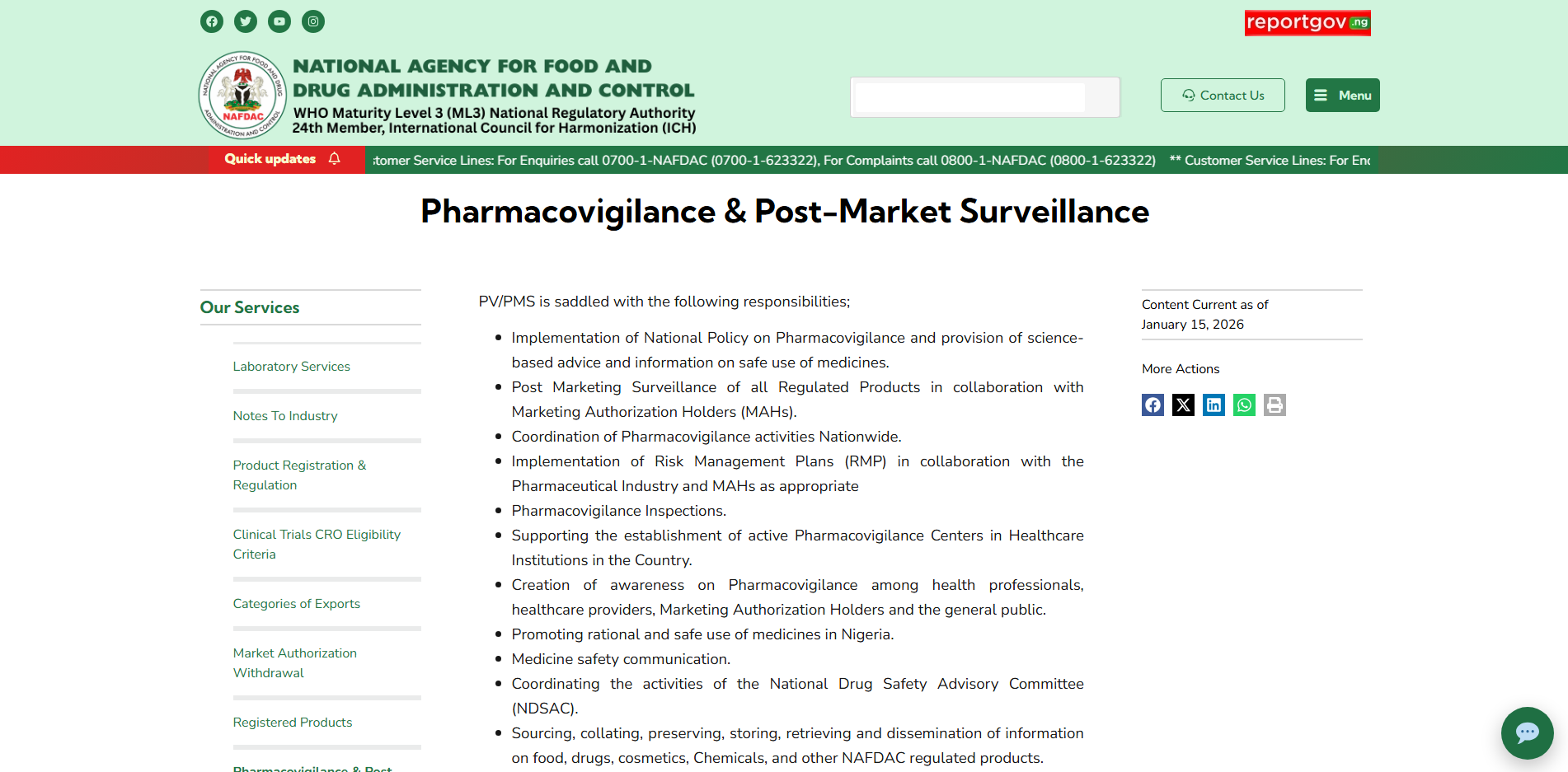
PHARMACOVIGILANCE & POST-MARKET SURVEILLANCE OVERVIEW
This is where you’ll find the core framework for drug safety activities. It outlines how adverse reactions are tracked and managed, plus it provides the necessary details on Risk Management Plans and official safety communications you’ll need to stay compliant.
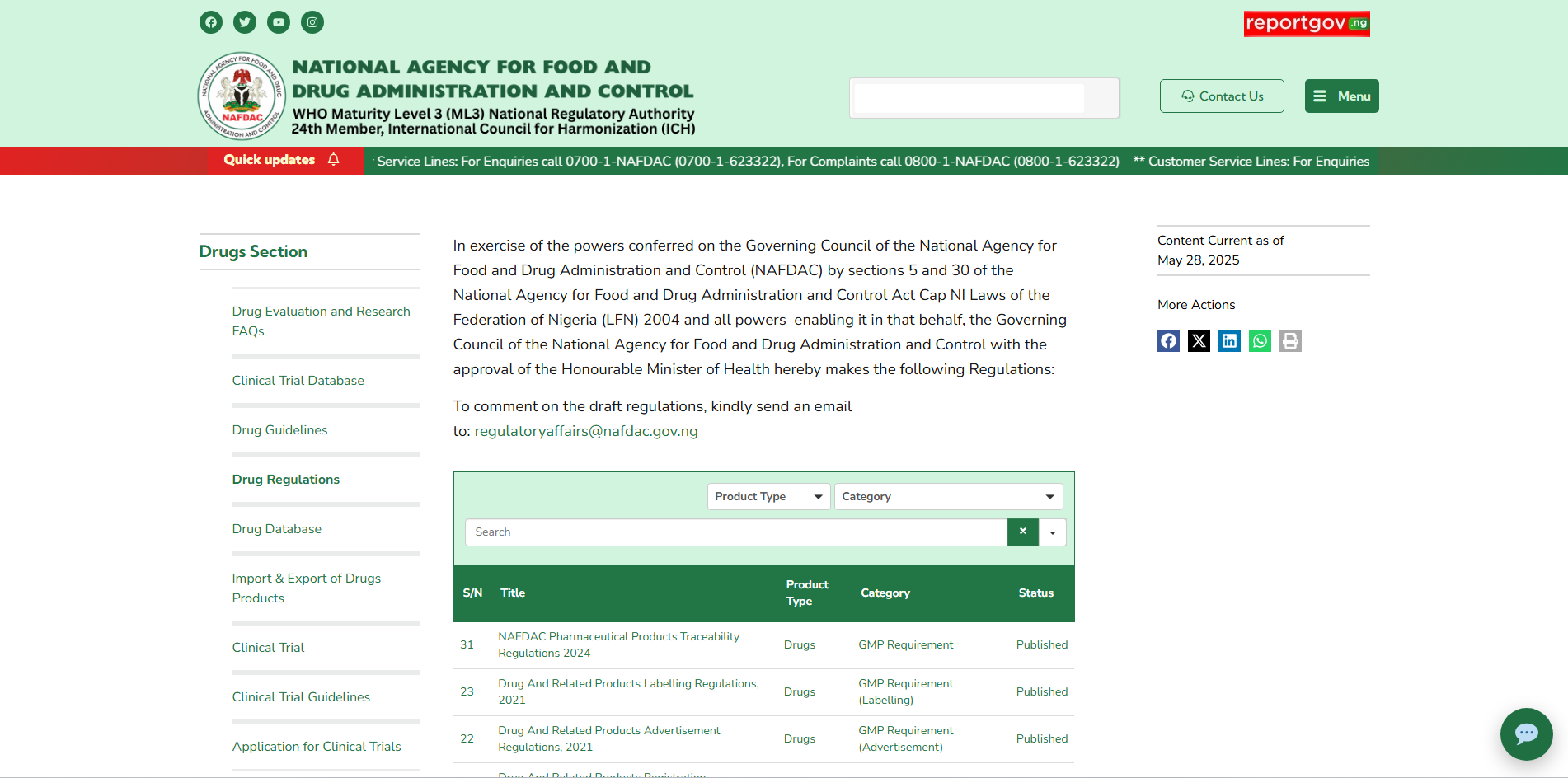
DRUG REGULATIONS AND STATUTORY INSTRUMENTS
Think of this as your legal library for all things medicine-related. You can access published regulations covering everything from good pharmacovigilance practices to product traceability, ensuring you always have the latest statutory requirements at your fingertips.
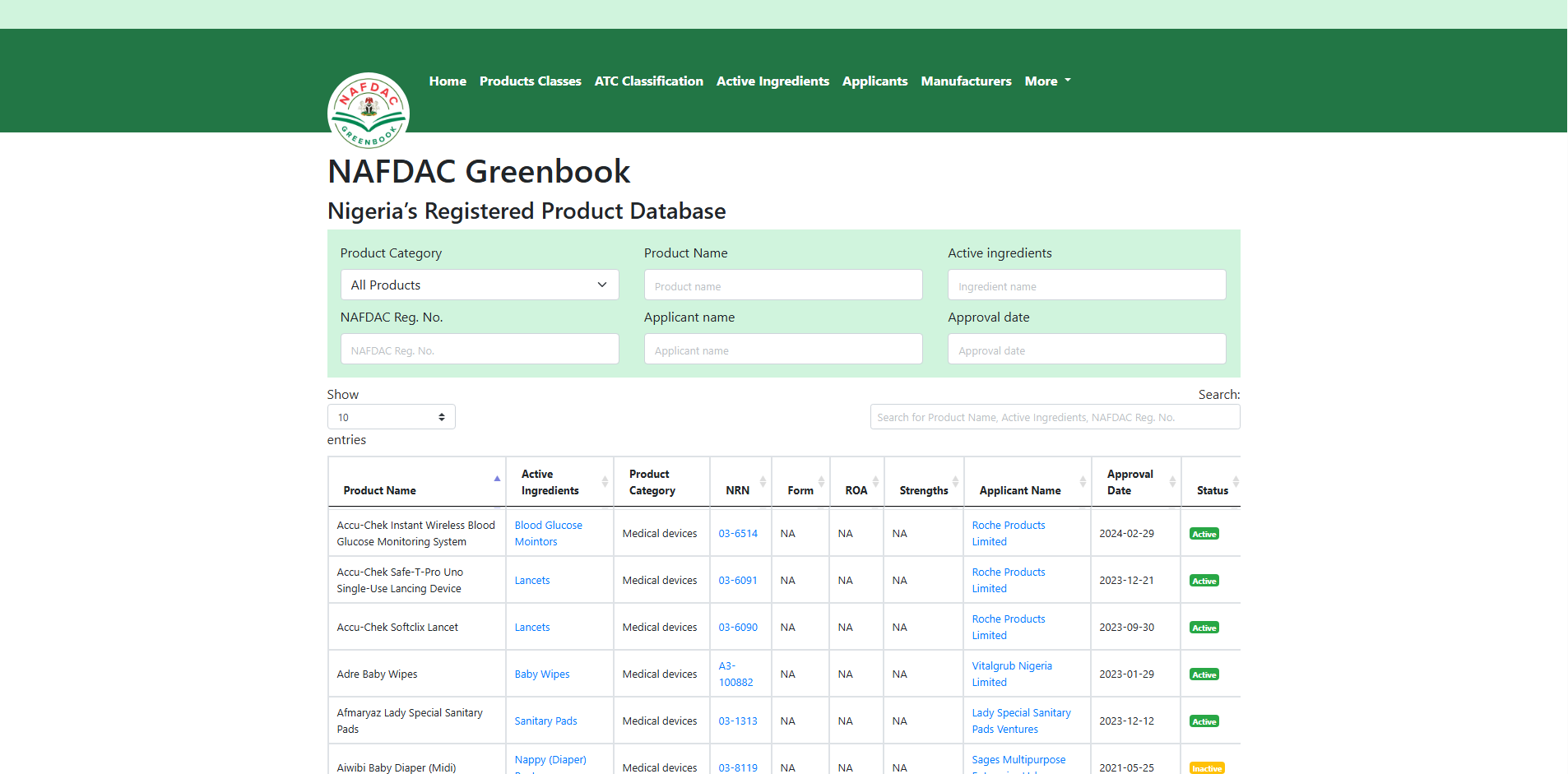
NAFDAC GREENBOOK
This is the official searchable register for every drug, vaccine, and medical device approved for use in the country. It’s an essential tool for verifying registration status and checking the basic details of products already on the market.
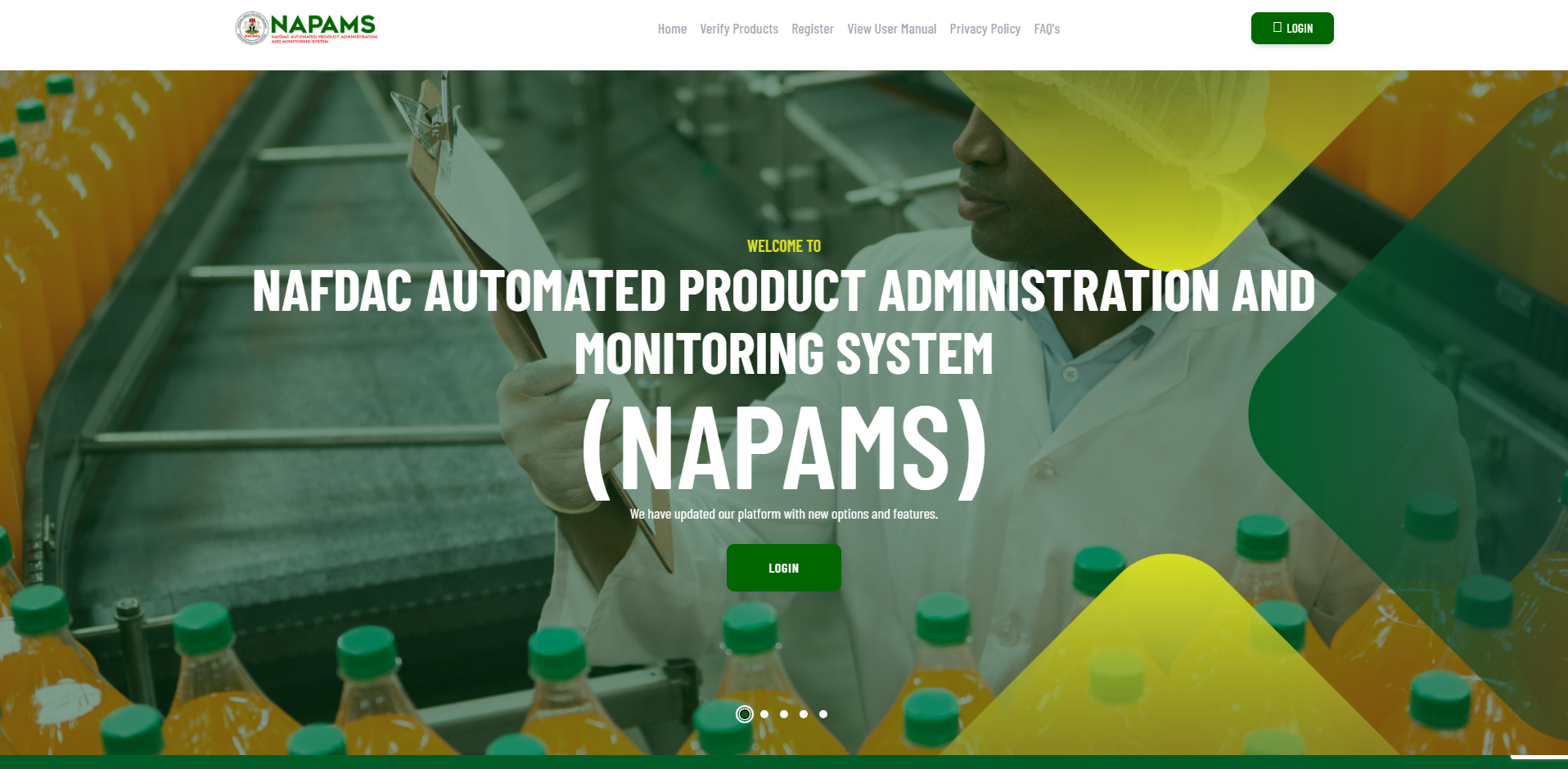
NAFDAC AUTOMATED PRODUCT ADMINISTRATION AND MONITORING SYSTEM
This digital portal is your primary hub for handling product registrations and tracking applications. It’s the go-to platform for verifying registration numbers and managing the administrative side of getting your products onto the market.
Other important institutions & industry groups
Federal Ministry of Health
The Federal Ministry of Health acts as the architect of the country’s entire healthcare landscape, steering the national policies that define how medicines are handled. For those of us in drug safety, they provide the broad strategic vision that ensures pharmacovigilance is integrated into every level of the Nigerian healthcare system.
Visit their official site using the link below to find pharmacovigilance-related resources.
Pharmaceutical Society of Nigeria (PSN)
If you want to understand the heartbeat of pharmacy practice in Nigeria, you have to get to know the Pharmaceutical Society of Nigeria. They represent the professional interests of the pharmacists who serve as our front-line reporters and essential partners in any robust drug safety program.
You should take a look at their main journal, which serves as one of the central point for professional standards and advocacy updates. Their news platform is useful for staying connected with the wider pharmaceutical community and keeping up with evolving industry practices across the country.

Association of Public Health Physicians of Nigeria (APHPN)
Working with the Association of Public Health Physicians of Nigeria is a smart move when you need to bridge the gap between clinical safety and broader population health. These specialists are instrumental in tracking disease trends and evaluating how medications perform within the unique demographic context of Nigeria.
Their academic contributions are best explored through their multidisciplinary journal offers deep dives into community medicine and primary care research. To stay updated on their latest field activities and organizational announcements, be sure to browse through the newsletters.
Some of the most important laws
Essential legislation and policy
DRUG AND RELATED PRODUCTS REGISTRATION REGULATIONS, 2021
This legislation governs the mandatory registration process for all drugs and related products before they can be manufactured, imported, or sold.
Nigerian National Pharmacovigilance Policy & Implementation Framework
The national policy document that sets Nigeria’s overall pharmacovigilance strategy, clarifying roles and responsibilities of public and private sector stakeholders.
Guidelines
This central repository provides direct access to NAFDAC’s current regulatory frameworks, including essential guidance on PV inspections. It is a critical bookmark for compliance, housing the latest updates on risk categorization and post-marketing surveillance requirements.
NAFDAC Good Pharmacovigilance Practice Guidelines (2016)
Operational guidelines for all marketing authorization holders and stakeholders in Nigeria on how to build and run a compliant pharmacovigilance system.
Local pharmacovigilance specifics
Useful abbreviations to know
If you want to study local materials about pharmacovigilance in Nigeria, following terms will be helpful for you to get familiar with:
Yellow Form
→ Standard paper form for reporting adverse drug reactions in Nigeria.
Med Safety App
→ NAFDAC’s own mobile e-reporting platform for ADRs.
Green Book App
→ Another NAFDAC-branded reporting application, distinct from Med Safety.
Is a local designated person needed?
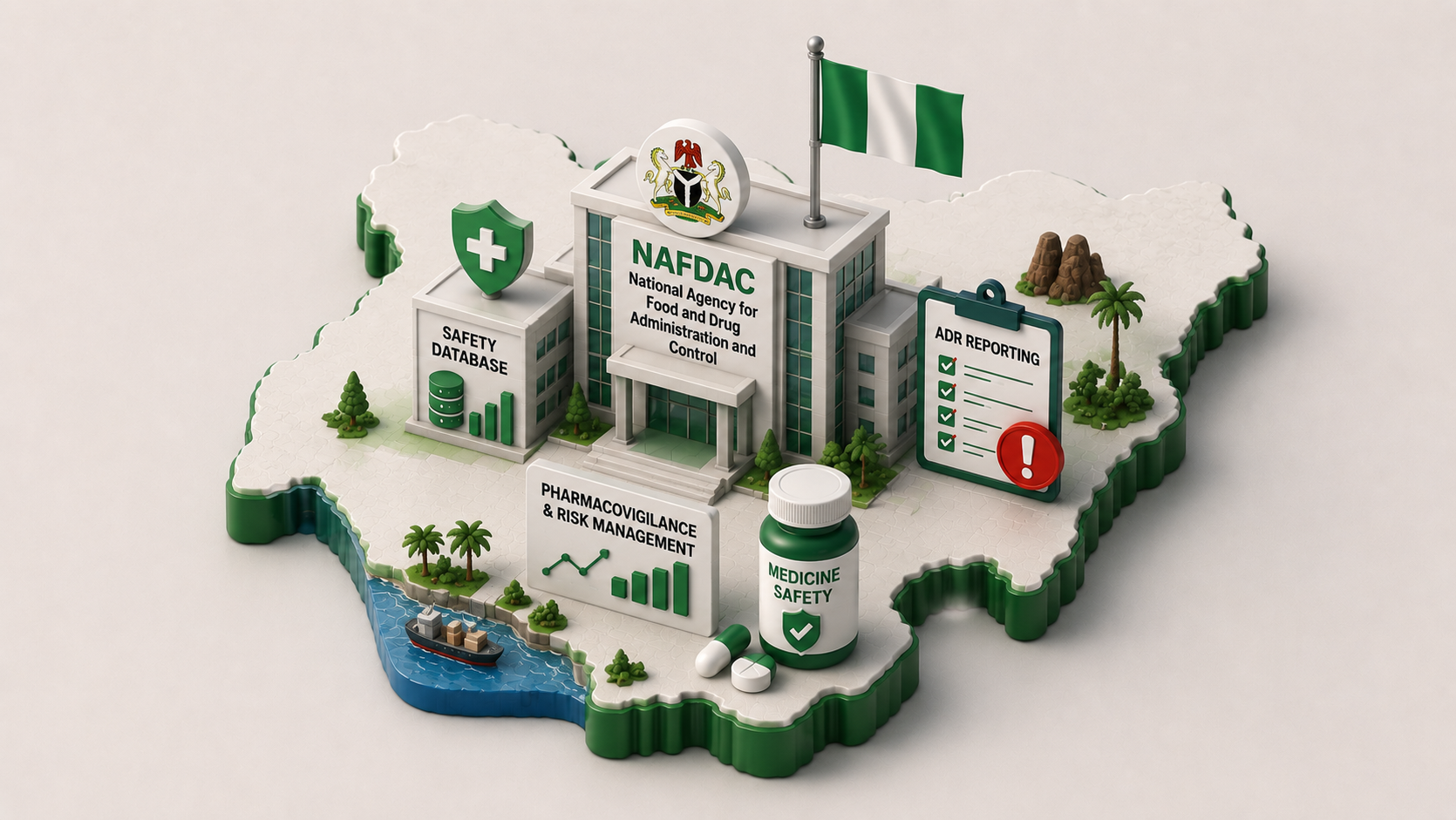
Nigeria requires a local presence, you must appoint a designated representative residing in the country. This role is officially known as the Qualified Person Responsible for Pharmacovigilance (QPPV).
The appointee must be a registered pharmacist or a medical doctor, reside in Nigeria, and be proficient in English to handle all regulatory communications.
How can be adverse events reported in Nigeria?
Whether you’re a healthcare professional, a patient, or a pharmaceutical company representative, you can report side effects through the site. For a more modern approach, you can also use the “Med Safety App” on your smartphone to submit reports directly. If you prefer traditional methods, you can use the classic “Yellow Form”.
Local medical journals to screen
Here are few examples of Nigeria’s local literature that medical authorization holders should monitor:
NIGERIAN JOURNAL OF CLINICAL PRACTICE (NJCP)
This clinical-focused journal features original research and therapeutic updates across a wide range of medical specialties.
For your safety monitoring, it serves as a vital source for local case reports and observational studies on adverse drug reactions encountered in clinical settings across the country.
ISSN: 1119-3077
WEST AFRICAN JOURNAL OF MEDICINE (WAJM)
This regional publication covers medical research and healthcare delivery across West Africa, with a strong focus on local epidemiological trends.
It helps you track safety signals that might be specific to the West African population, offering insights into regional drug performance and therapeutic safety outcomes that cross borders.
ISSN: 0189-160X
NIGERIAN MEDICAL JOURNAL (NMJ)
This journal covers broad medical and surgical topics, providing a detailed look into general practice and healthcare policy within the Nigerian health system.
It is particularly useful for identifying emerging safety concerns and monitoring the practical application of national treatment guidelines that impact medicine safety.
ISSN: 0300-1652
ANNALS OF AFRICAN MEDICINE (AAM)
This publication focuses on clinical and basic medical research, with a heavy emphasis on healthcare issues affecting the African continent.
You will find it valuable for signal detection and for understanding the specific risk profiles and morbidity patterns of medications used within the Nigerian demographic.
ISSN: 1596-3519
Rather then spending your budget for hours of repetitive manual work to monitor those sources, we recommend to simply automate this task using our Tepsivo Literature solution.
Other interesting resources
COUNTRY HEALTH PROFILE & STATISTICS
WHO Nigeria Country Health Profile
This profile provides a comprehensive look at the demographic trends, health financing, and disease burden within the country. It’s a foundational resource if you need to understand the public health landscape that World Health Organization and the Federal Ministry of Health are navigating.
Scientific publications on pharmacovigilance in Nigeria
Pharmacovigilance in Nigeria: An Overview
You’ll find a detailed roadmap here of how Nigeria established its national pharmacovigilance center and joined the international drug monitoring community. It’s a great resource for understanding the historical policy shifts and the core responsibilities assigned to various stakeholders by NAFDAC.
This paper offers a reality check on how drug safety activities are actually performing at the hospital level. You’ll learn about the practical barriers to reporting—like funding and documentation gaps—that often exist between official regulations and clinical practice.
If you are working with biologicals or vaccines, this review is essential for understanding the specific challenges of monitoring adverse events following immunization. It discusses the role of digital tools and artificial intelligence in modernizing how the country tracks vaccine safety.
This study investigates why adverse reaction reporting remains low at the primary care level despite high awareness among staff. It’s a useful read for identifying the systemic “missing links,” such as a lack of reporting forms and focal persons, that you might need to account for in your safety plans.
OFFICIAL GUIDELINES & REPORTS
This central repository provides direct access to NAFDAC’s current regulatory frameworks, including essential guidance on PV inspections, SmPC preparation, and clinical trial reporting. It is a critical bookmark for compliance, housing the latest updates on risk categorization and post-marketing surveillance requirements.
Do you need some help with putting the Nigeria’s PV System together? We’re here for you.

And while you’re here…
…consider also our global end-to-end PV solution!
Thanks to the Tepsivo platform, you can get a full pharmacovigilance system in all countries you need – for a fraction of the usual budget.
Tepsivo Oy | Haartmaninkatu 4, Building 14, 00290, Helsinki, Finland | VAT number FI31367614 | contact@tepsivo.com | +358 402 204 698 | Privacy policy
