
Pharmacovigilance in Egypt
What does the drug safety landscape look like in the land of the pharaohs? Follow our guide and get in the picture.
And of course, if you ever need a local consultant, we’re here to help.
Current status of our Egyptian pharmacovigilance services:
Egypt’s LSR / L-QPPV
AVAILABLE
Easily managed with Tepsivo OnePV >
Local Literature Screening
AVAILABLE
Automated monitoring with Tepsivo Literature >
Who is the main drug safety authority in Egypt?
RESPONSIBILITY FOR NATIONAL PV SYSTEM
The Egyptian Drug Authority (EDA) is the big boss when it comes to monitoring the safety of medicines, medical devices, and even cosmetics in Egypt.
Based in Cairo, the EDA manages the Egyptian Pharmacovigilance Center (EPVC), which acts as the central hub for collecting and analyzing reports on side effects. It’s their job to make sure every pill or potion on the market stays as safe as promised.
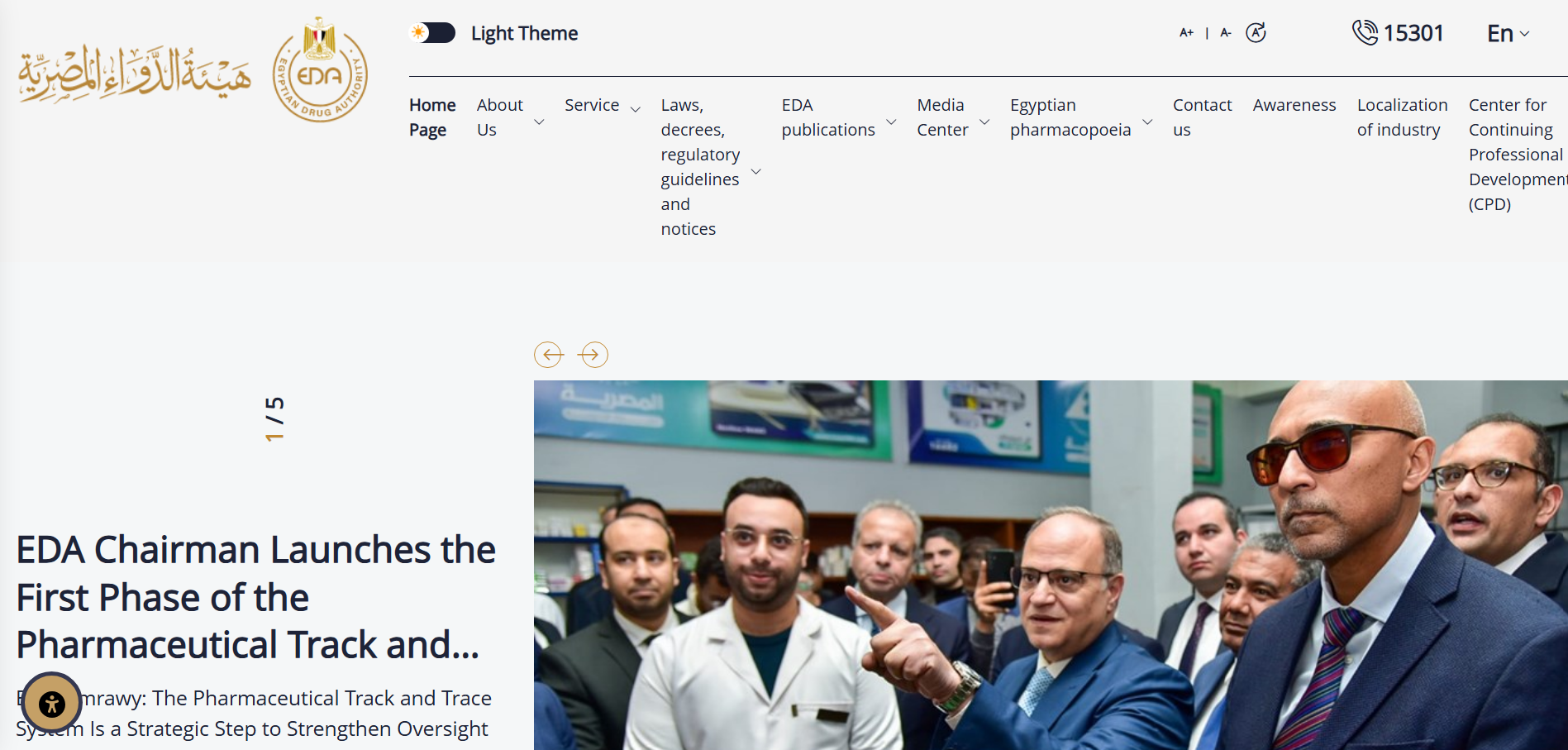
Useful insights about the authority website
ENGLISH VERSION AVAILABLE,
Great news for international pros — the website has a English section that’s easy to navigate.
As it seems many of the pages are translated and new pages in English are emerging, but in case you couldn’t find something, use original version, your browser’s translater can take care of it.
Interesting website sections related to pharmacovigilance
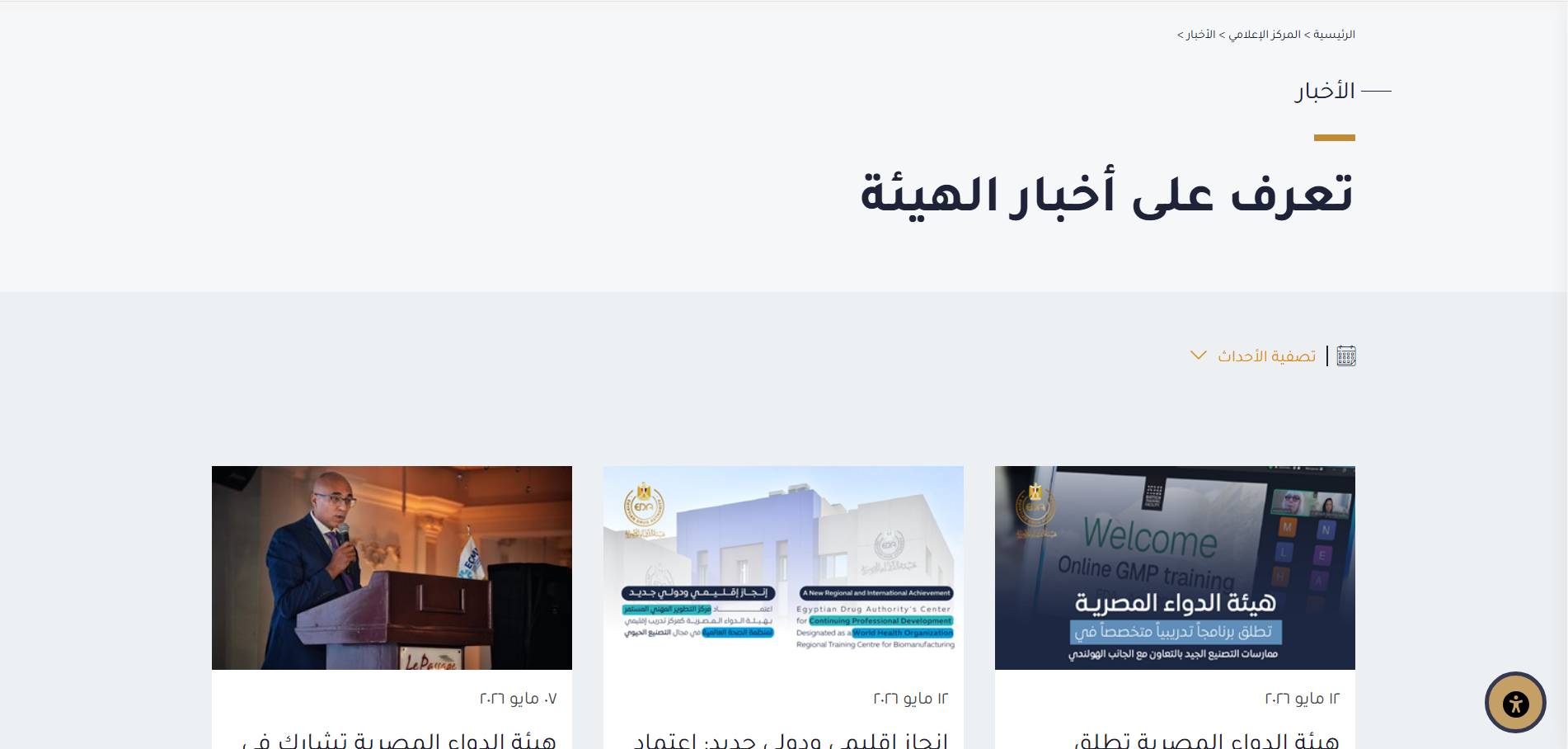
MEDIA CENTRE NEWS
Stay informed about the latest EDA announcements. While updates vary in frequency and there is not that much to see, it’s probably worth it checking it once upon a time.
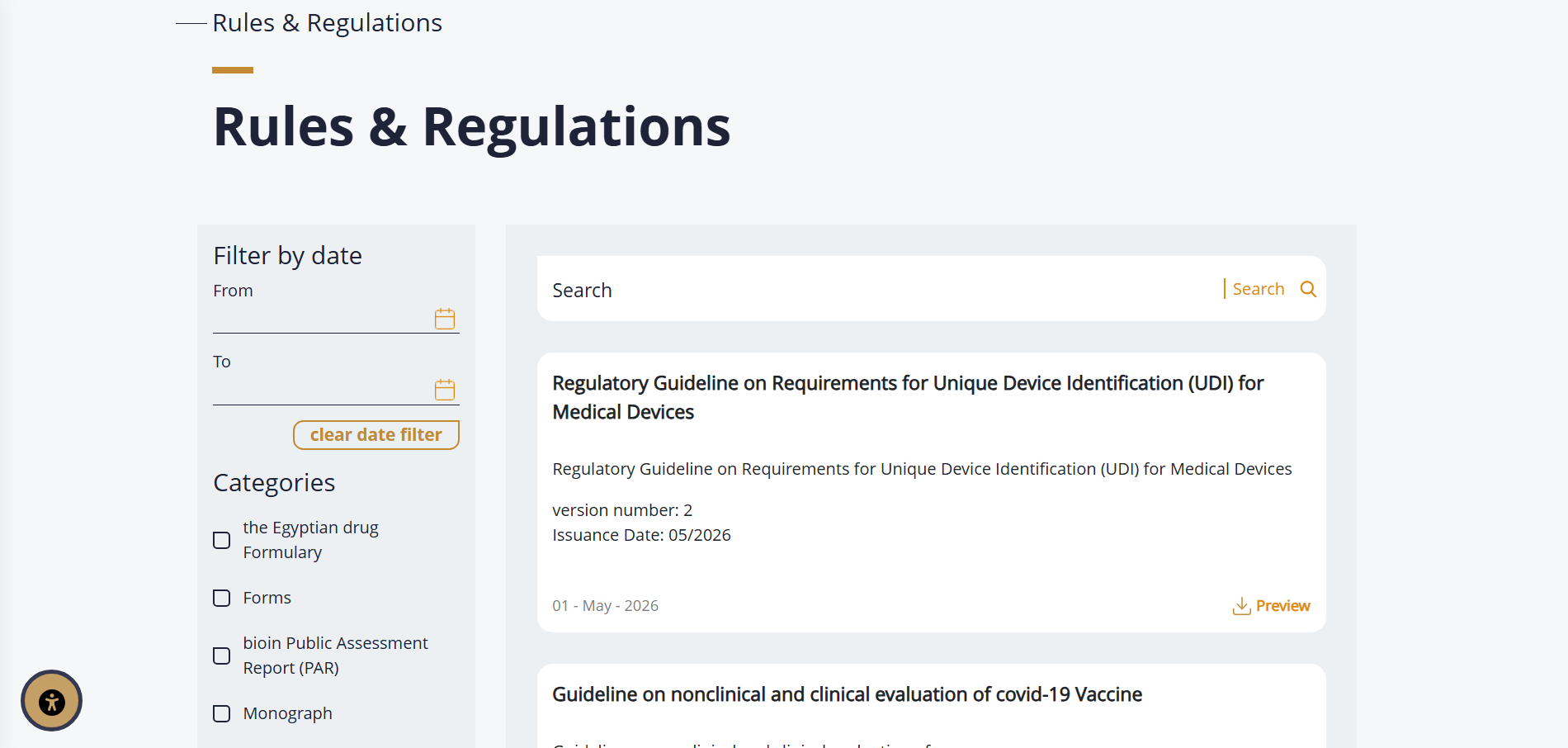
RULES & REGULATIONS
Access a comprehensive collection of regulatory documents. This section includes various filters to help navigate the legal requirements governing pharmaceutical activities.
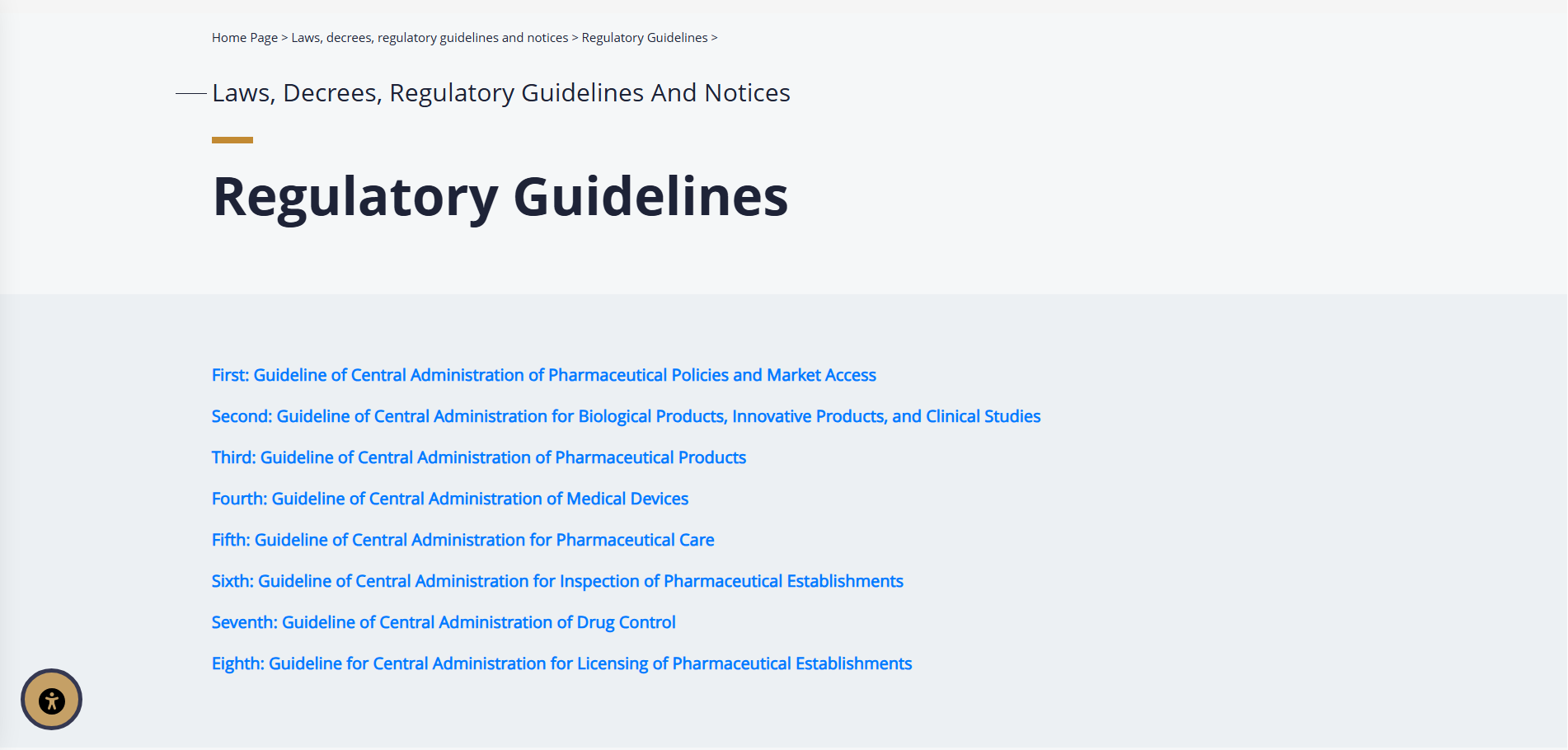
REGULATORY GUIDELINES
Find essential technical and operational guidance. These documents provide the framework for maintaining compliance with national safety and quality standards.
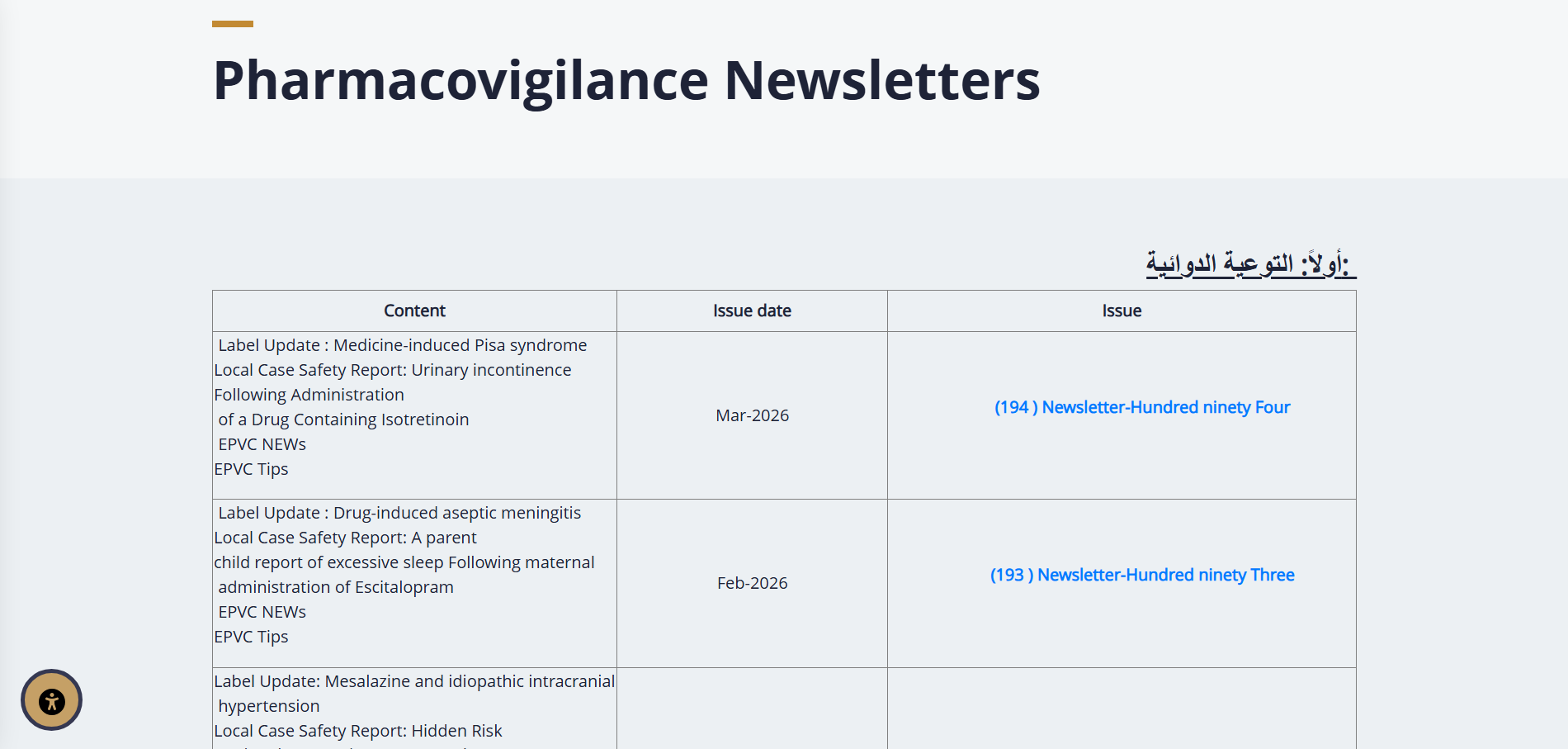
PHARMACOVIGILANCE NEWSLETTER
Specialized publications from the Pharmaceutical Care department. These newsletters offer deep dives into drug safety trends and regional PV updates.
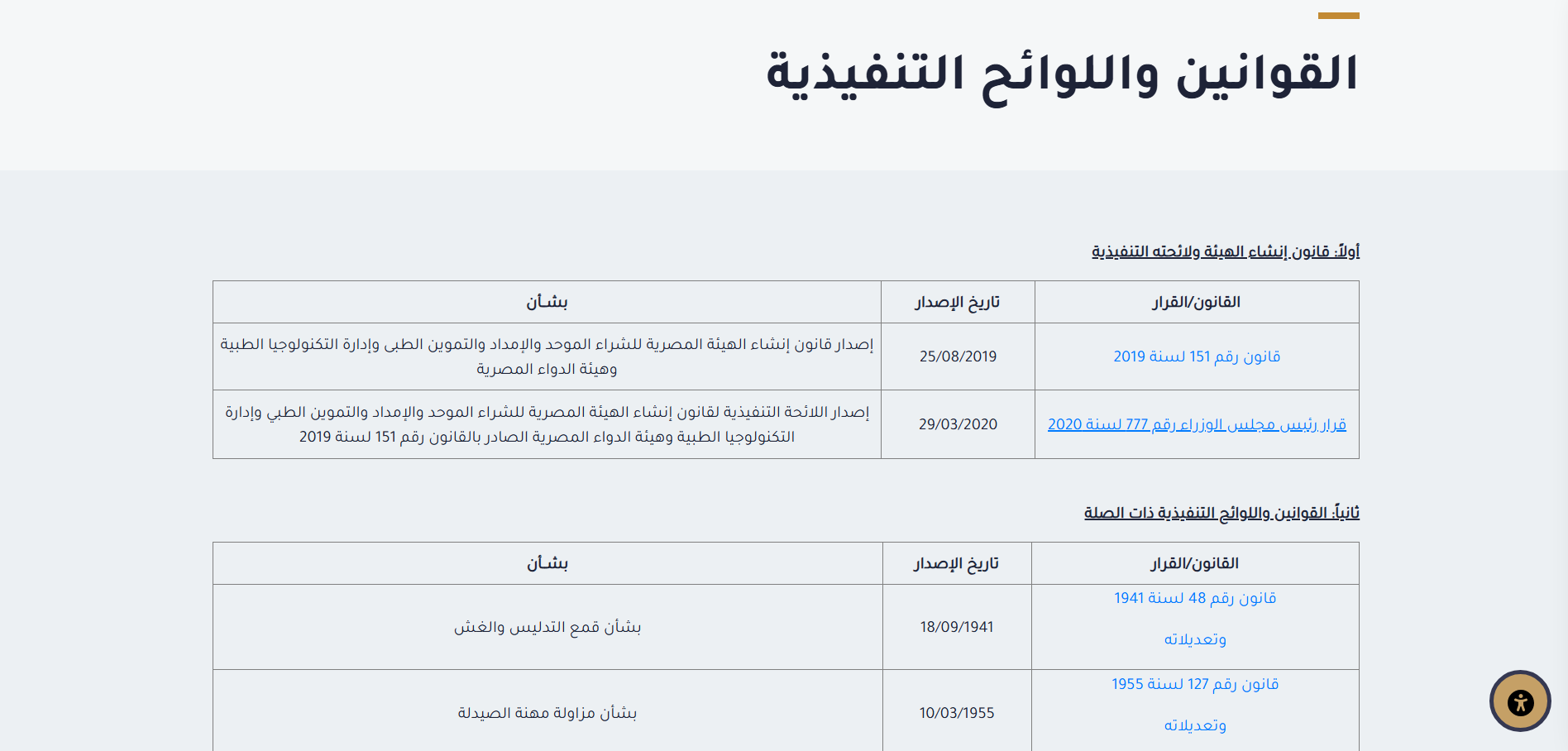
EDA REGULATIONS REPOSITORY
The central digital archive on the official Egyptian Drug Authority website, containing seom executive regulations and legislative decrees governing the industry.
Other important institutions & industry groups
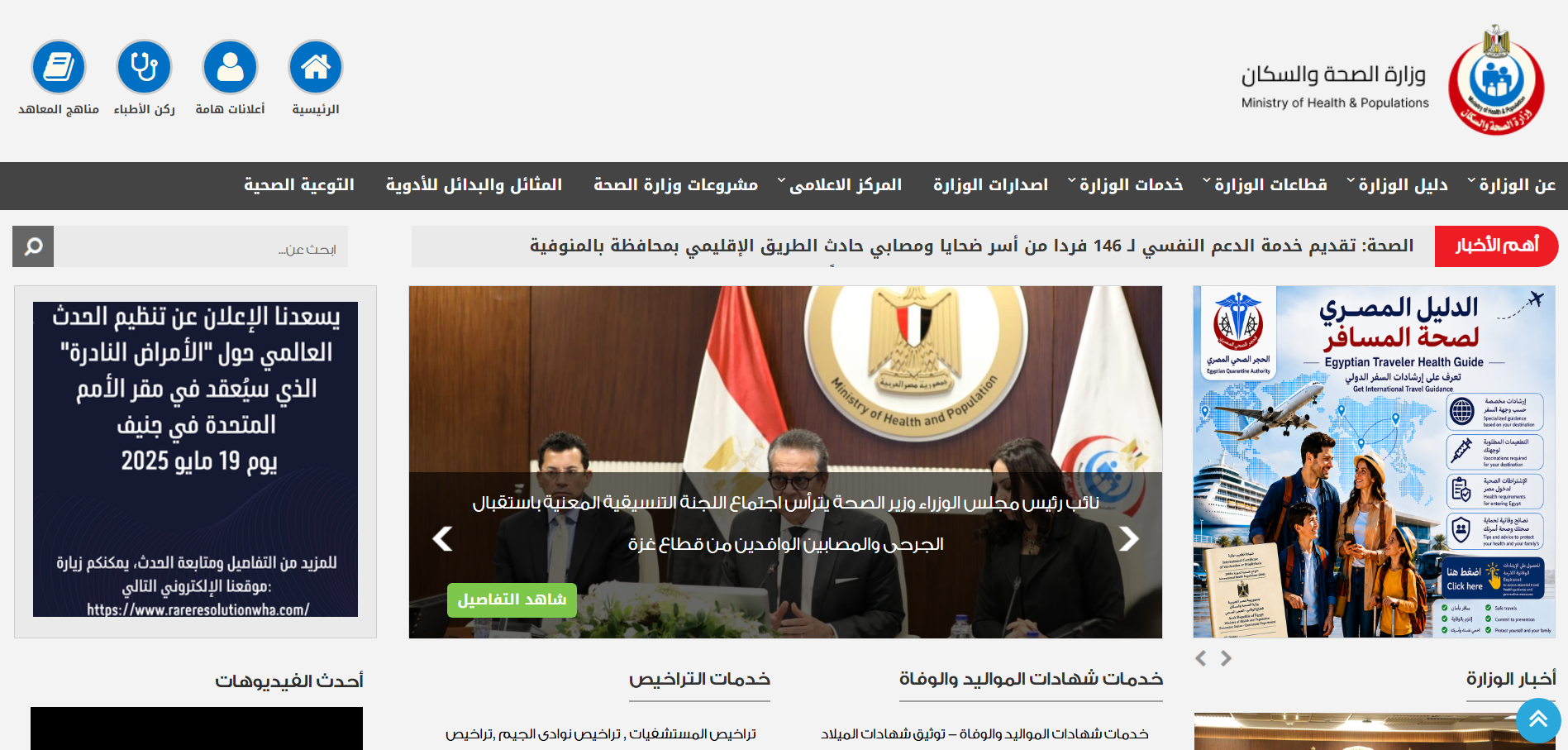
MINISTRY OF HEALTH AND POPULATION (MOHP)
The Ministry of Health and Population is the ultimate authority over the Egyptian healthcare landscape. While the Egyptian Drug Authority handles the technical regulation of medicines, the Ministry sets high-level strategy and manages public health initiatives.
Unfortunately, the website currently shows limited activity, suggesting it may be undergoing maintenance or development.

CHAMBER OF PHARMACEUTICAL INDUSTRY COSMETICS AND MEDICAL SUPPLIES
Operating under the Federation of Egyptian Industries, this chamber is the primary voice for local manufacturers and generic drug producers in Egypt.
At present, the website does not offer much substantive content or public-facing data. Consequently, there are no specific digital tools or resources on this portal currently available for recommendation.
EGYPTIAN PHARMACEUTICAL SOCIETY (EPS)
The Egyptian Pharmaceutical Society is a premier scientific organization focused on the advancement of pharmaceutical research and practice. It serves as a vital hub for academic exchange, hosting national conferences and publishing scientific journals.
Could be a resource for those looking to connect with the scientific community or stay informed about the latest pharmaceutical research developments emerging from Egypt.
Some of the most important laws
Essential legislation
Decree of the Chairman of the Egyptian Drug Authority No. 382 of 2023
Establishes the legal requirement for all Marketing Authorization Holders of pharmaceutical and biological products to strictly apply Good Pharmacovigilance Practice (GVP).
Decree of the Chairman of the Egyptian Drug Authority No. 184 of 2023
Applies the principle of reliance on reference regulatory health authorities regarding pharmacovigilance decisions, reports, etc.
Regulates the importation and handling of medical and biological products to guarantee safety, quality, and efficacy, etc. Sadly, we have not been able to obtain full text, so we got at least insights.
Guidelines
Practical compliance guidance for MAHs and PV systems, aligned with global GVP principles. Note that while Ministerial Decree No. 368 of 2012 is a primary regulatory pillar, its full text is not publicly accessible as it seems.
Local pharmacovigilance specifics
Useful abbreviations & local specifics to know
If you want to study local materials about pharmacovigilance in Egypt, following terms will be helpful for you to get familiar with:
EPVC (Egyptian Pharmaceutical Vigilance Center)
→ Operating under the EDA, this center oversees drug safety across the Egyptian market.
PVGA (General Administration of Pharmacovigilance / Pharmacovigilance General Administration)
→ The specific administration within the EDA that handles pharmacovigilance requirements, compliance, etc.
LSR (Local Safety Responsible)
→ Term sometimes used interchangeably with the local QPPV or their designated deputy who ensures local safety compliance.
Is a local designated person needed?
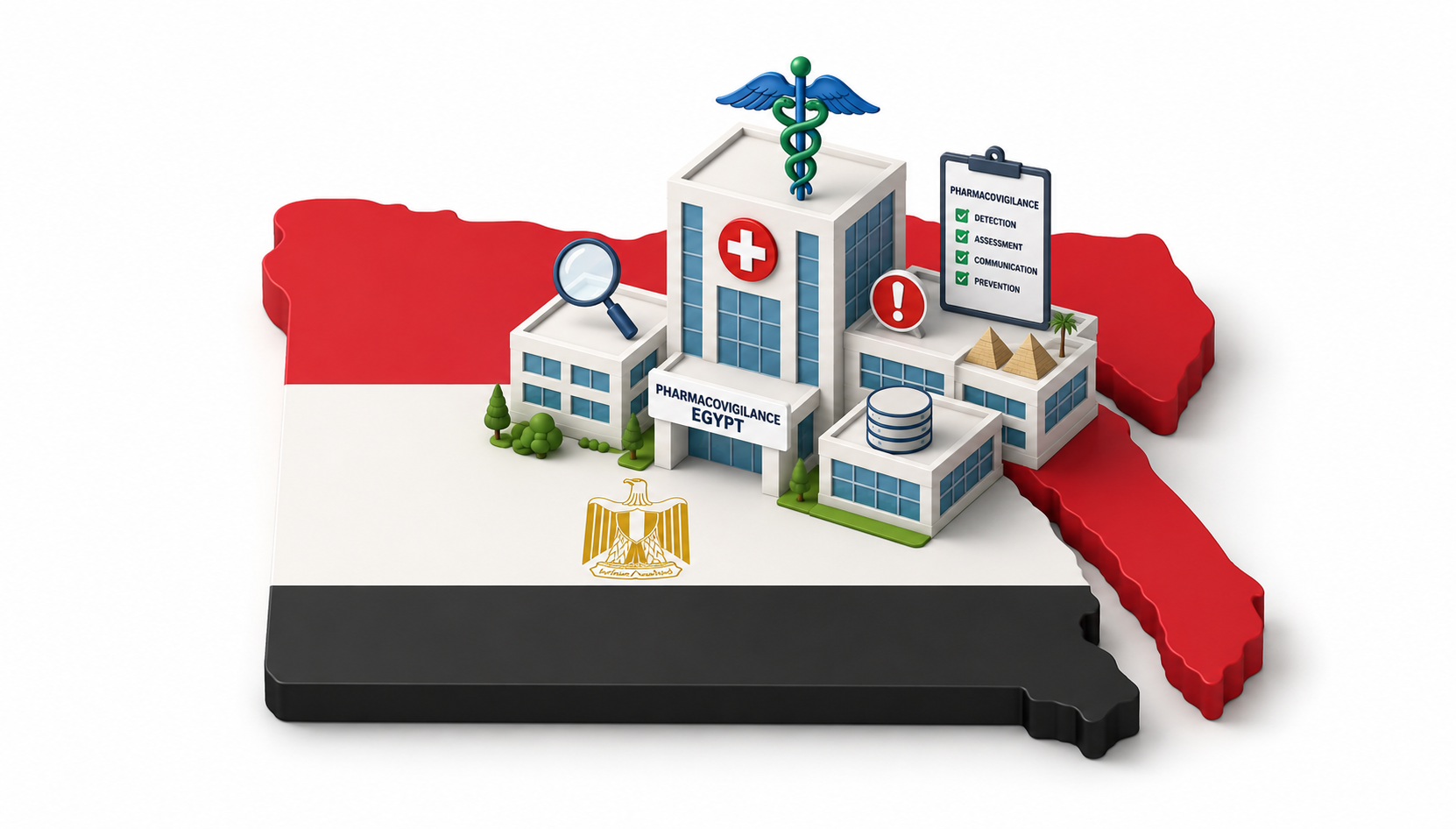
Egypt requires multinational MAHs to have a Local Safety Responsible (LSR) based in-country. The official title is Qualified Person Responsible for Pharmacovigilance (QPPV), but for multinational companies, this Egypt-based person serves as the Local Safety Responsible (LSR) and single contact point for the Egyptian Pharmacovigilance Center (EPVC).
How can be adverse events reported in Egypt?
Reporting a side effect is simple and can be done directly through the online reporting portal. Both healthcare professionals and patients have access to specific forms tailored to their needs to ensure all the right details are captured. .
Local medical journals to screen
Here are few examples of Egypt’s local literature that medical authorization holders should monitor:
EGYPTIAN PHARMACEUTICAL JOURNAL (EPJ)
This journal covers a wide range of pharmaceutical sciences, including clinical pharmacy, toxicology, and pharmacology.
It’s a key resource for you to monitor local research on drug interactions and toxicological profiles within the Egyptian population. You’ll find it particularly useful for keeping up with pharmaceutical developments and safety studies emerging from local academic and clinical settings.
ISSN: 1687-4315
JOURNAL OF THE EGYPTIAN NATIONAL CANCER INSTITUTE (JENCI)
Focusing on oncology, this publication is essential for tracking the safety and efficacy of cancer treatments in Egypt.
It frequently publishes clinical research and case studies related to chemotherapy and biological therapies, which are often high-risk areas for adverse events. You can use this to stay informed about specialized safety signals and treatment outcomes in the Egyptian oncological landscape.
ISSN: 2589-0409
THE EGYPTIAN JOURNAL OF INTERNAL MEDICINE (EJIM)
This is a comprehensive clinical resource that features a broad spectrum of medical research, from general practice to specialized internal medicine.
It is a reliable source for local case reports and original articles that can help you identify rare side effects or trends in medication use across the country. The clinical data provided here offers a practical look at how various therapies perform in a real-world Egyptian setting.
ISSN: 2090-9098
EGYPTIAN JOURNAL OF ANAESTHESIA (EgJA)
If you are monitoring drugs used in surgical or intensive care environments, this journal is a must-read.
It specializes in anesthesia, pain management, and emergency medicine, often highlighting acute adverse reactions and perioperative complications. It provides deep insights into the safety profiles of anesthetic agents and other medications used in critical care within Egypt.
ISSN: 1110-1849
Rather then spending your budget for hours of repetitive manual work to monitor those sources, we recommend to simply automate this task using our Tepsivo Literature solution.
Other interesting resources
COUNTRY HEALTH PROFILE & STATISTICS
Health at a Glance 2025: Egypt
This report benchmarks Egypt’s health system performance against OECD averages, detailing population health status, risk factors, and resource allocation. It provides essential comparative data on healthcare access, spending, and workforce capacity to help contextualize the country’s medical and regulatory environment.
This interactive dashboard tracks Egypt’s vital health metrics, including life expectancy, primary causes of death, and disease risk factors like obesity and tobacco use. It provides essential context on healthcare spending and immunization coverage, helping benchmark the country’s public health performance against regional neighbors.
Scientific publications on pharmacovigilance in Egypt
Chapter 37 – Drug safety in Egypt (ScienceDirect)
This book chapter from Patient Safety in Developing Countries provides a comprehensive overview of the historical and current state of medication safety in Egypt. It highlights that a formal medication safety system has been established in Egypt since 1995, detailing the subsequent regulatory frameworks that mandate robust pharmacovigilance systems nationwide and outline the responsibilities of the Egyptian Drug Authority in protecting patient health.
Pharmacovigilance Systems in Arab Countries: Overview
This cross-sectional review article maps out the current landscape and development levels of pharmacovigilance systems across the Arab world. The study categorizes Egypt—alongside countries like Saudi Arabia, Morocco, and Jordan—as having an advanced pharmacovigilance system, noting that while 45% of Arab nations are official members of the WHO’s monitoring centre, significant disparities in drug safety infrastructure still exist across the region.
This questionnaire-based study assesses the preparedness and awareness of healthcare professionals (such as pharmacists and physicians) regarding adverse drug reaction reporting in Alexandria. The findings generally reveal that while medical staff exhibit a positive attitude toward drug safety monitoring, their practical knowledge and actual reporting behaviors remain low, identifying a substantial gap between adverse events experienced by patients and those officially reported to regulatory bodies.
OFFICIAL GUIDELINES & REPORTS
Guideline on Reliance Practices for Pharmacovigilance
Issued by the EDA’s Pharmaceutical Vigilance General Administration (PVGA), this document outlines how Egypt implements reliance strategies—meaning how the EDA utilizes the safety evaluations, decisions, and reports generated by other trusted international regulatory authorities to streamline the PV process in Egypt.
EDA Pharmacovigilance Inspection Annual Report
The EDA issues annual reports detailing the outcomes of their pharmacovigilance inspection activities. These reports serve to enhance transparency and regulatory oversight, providing statistical data on the number of pharmaceutical companies inspected and common compliance observations recorded during those inspections.
Do you need some help with putting the Egyptian PV System together? We’re here for you.

And while you’re here…
…consider also our global end-to-end PV solution!
Thanks to the Tepsivo platform, you can get a full pharmacovigilance system in all countries you need – for a fraction of the usual budget.
Tepsivo Oy | Haartmaninkatu 4, Building 14, 00290, Helsinki, Finland | VAT number FI31367614 | contact@tepsivo.com | +358 402 204 698 | Privacy policy
