1

Pharmacovigilance in Brazil

How is it with the drug safety system in the “Land of Carnival & Soccer“? Read our guide to get a clear picture.

And of course, if you feel you need a local consultant, we’re here for you.

Current status of our Brazilian pharmacovigilance services:

QPPV in Brazil

AVAILABLE

Easily managed through Tepsivo Platform >

Local Literature Screening

AVAILABLE

Automated monitoring with Tepsivo Literature >

Who is the main PV authority in Brazil?
RESPONSIBILITY FOR NATIONAL PV SYSTEM

The main authority on pharmacovigilance in Brazil is the Agência Nacional de Vigilância Sanitária (ANVISA). This agency is responsible for overseeing the national pharmacovigilance system, drug registration, and the implementation of policies related to the safety of medicines and health products.

The pharmacovigilance system in Brazil involves regional health agencies known as Centros de Vigilância Sanitária (CVS) such as the one in São Paulo and other cities.


Useful insights about the authority website
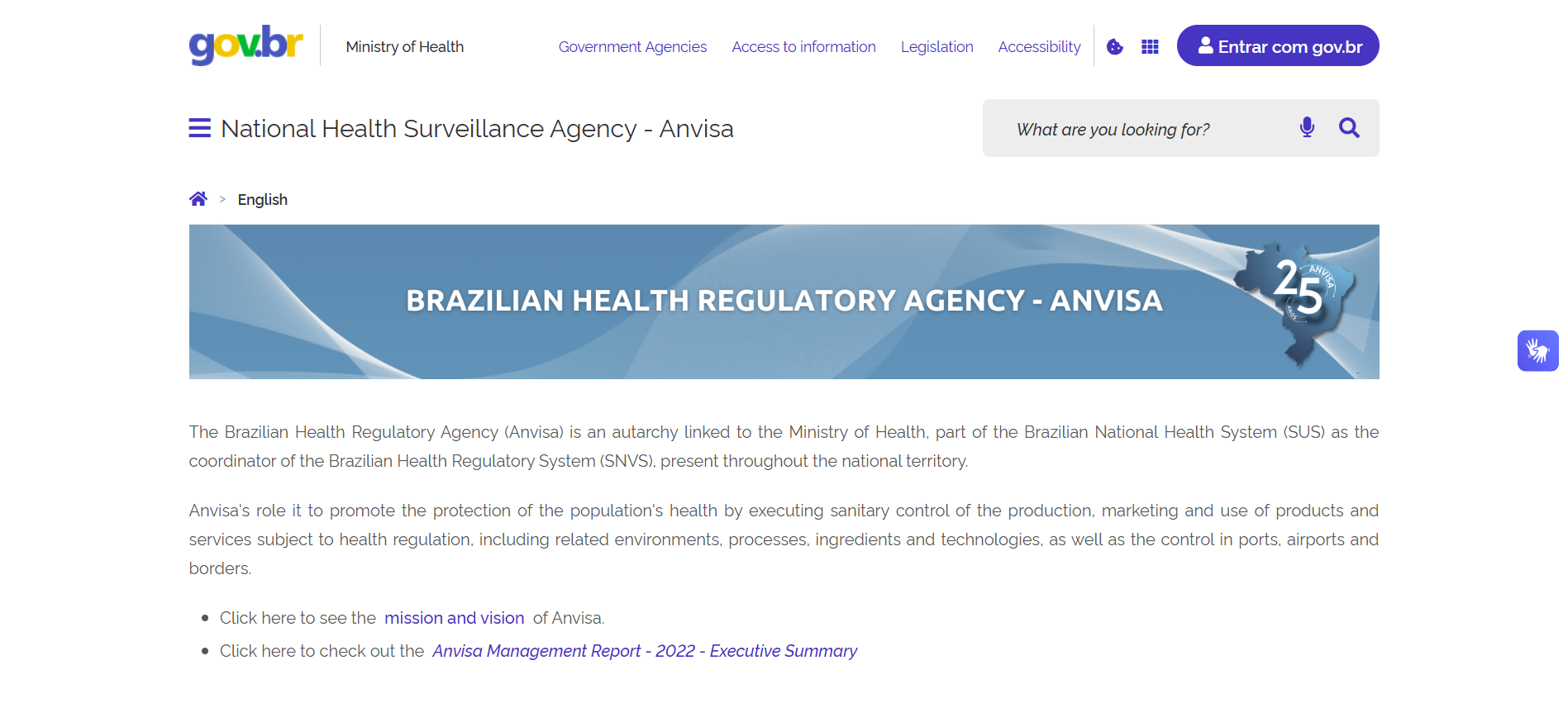
LIMITED CONTENT IN ENGLISH

The website has English version, however it is quite simplified, but the most important things should be translated.

Though if you find yourself in a situation where you cannot find what you’re looking for, we suggest you to use the website originally in Portuguese and use translator, this way you have potentially much bigger chance to find what you’re looking for.

Interesting website sections related to pharmacovigilance
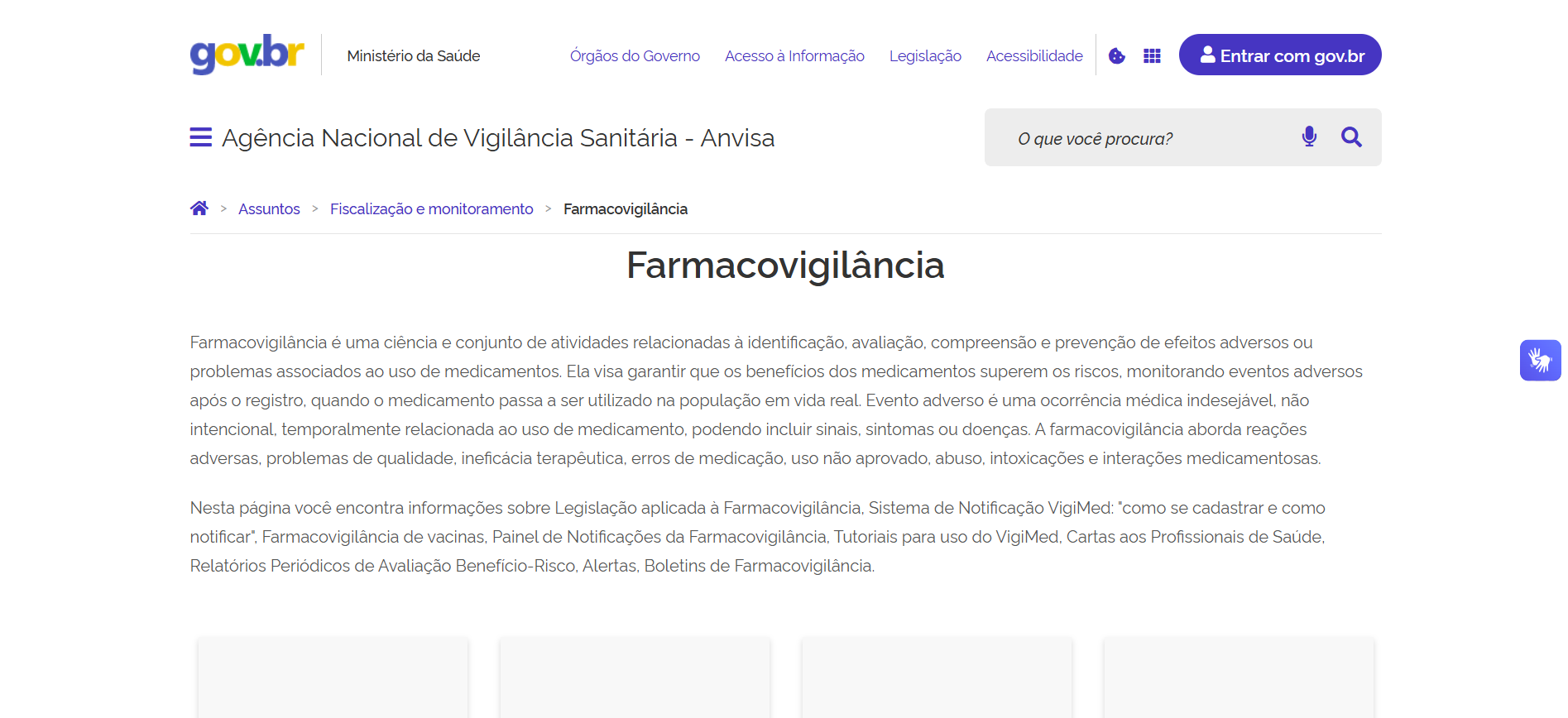
PHARMACOVIGILANCE

General information as well as a signpost that will direct you into more concrete areas of brazilian PV system, such as legislation, letters to healthcare professionals etc. along with PV bulletin, though it seems that it’s no longer being published.

Visit the section >

LIBRARY

Collects and organizes important technical and scientific information created by its staff. To actually enter the library itself, you have to choose a thematic area such as medicines for example, then you can filter the search results on the right side.

Visit the section >


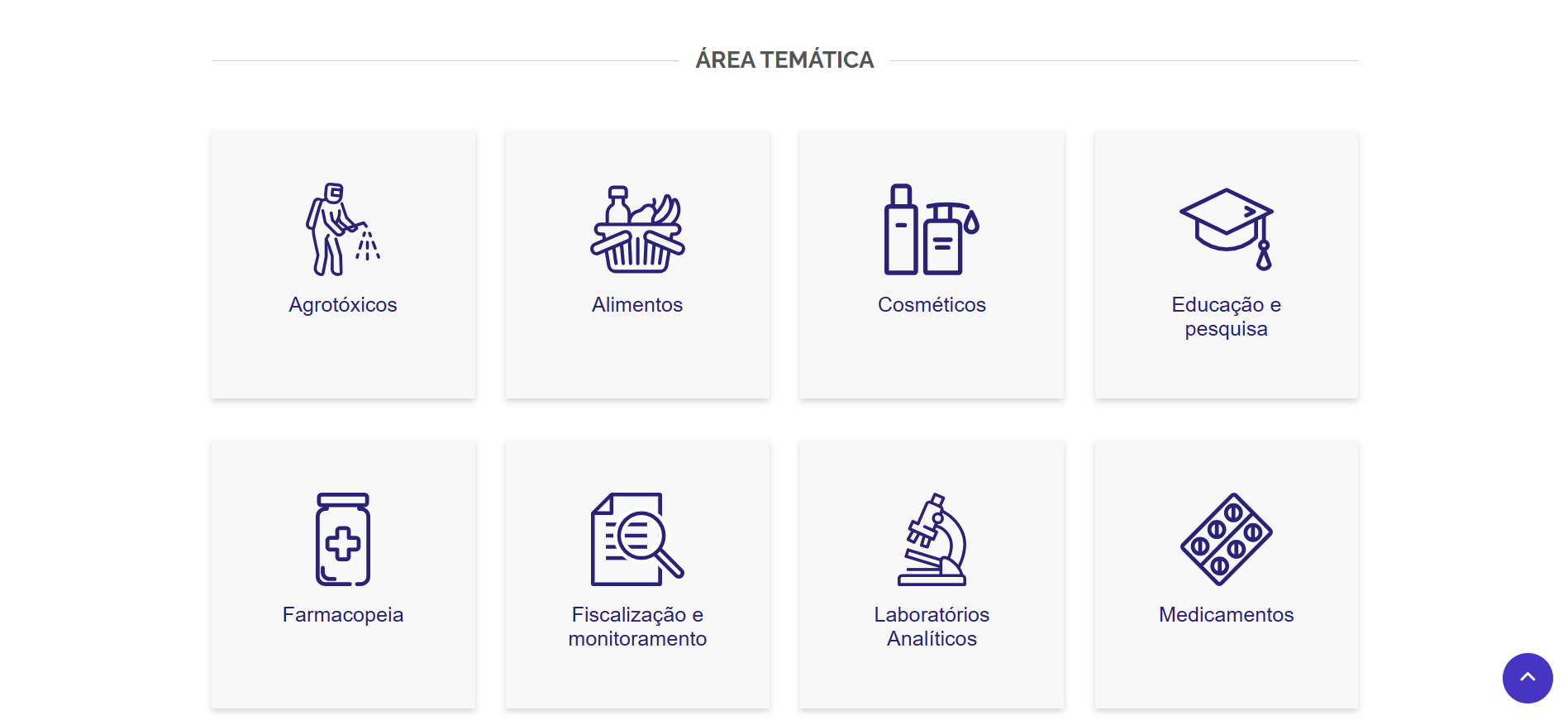
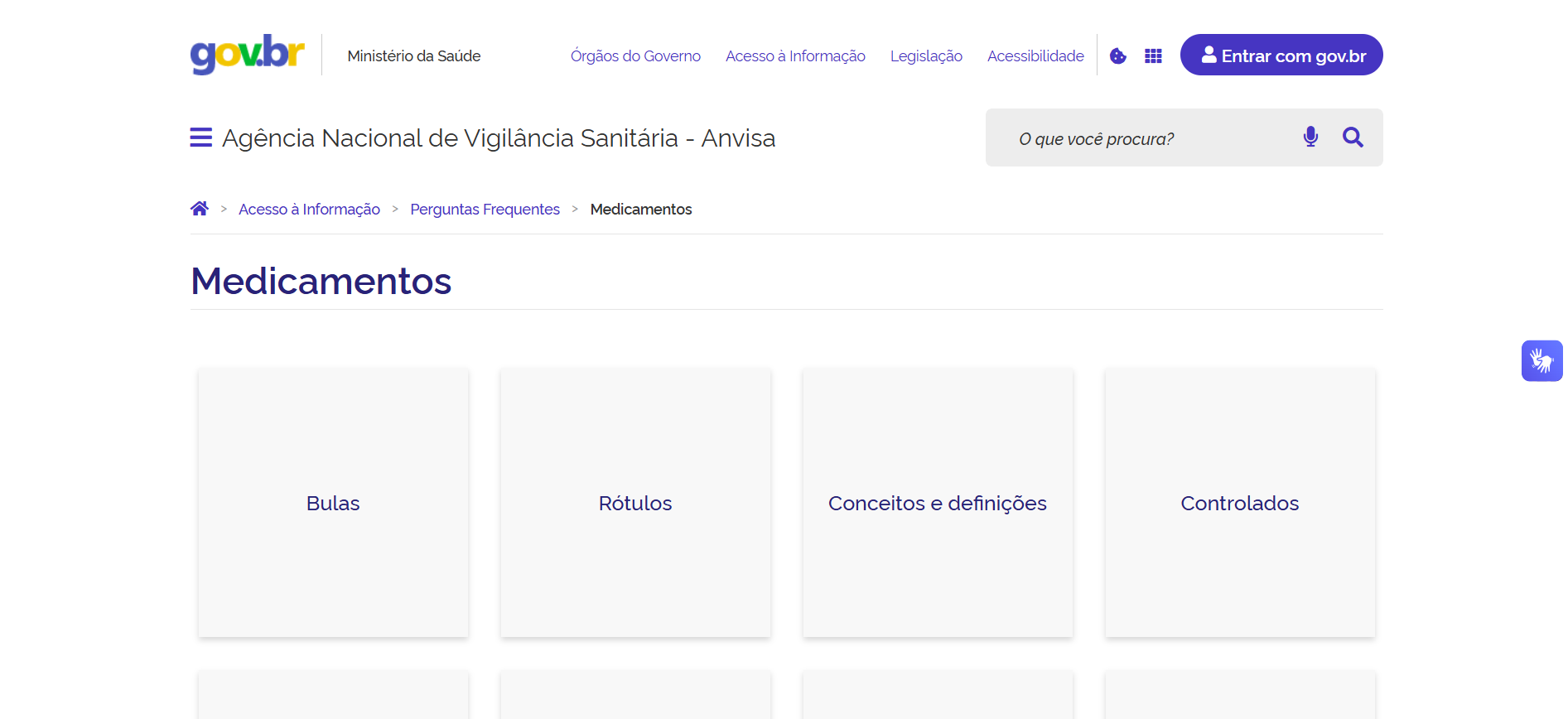
MEDICINES

Basically the same page as for pharmacovigilance, information about price, labels, references etc. can be found here.

Visit the section >

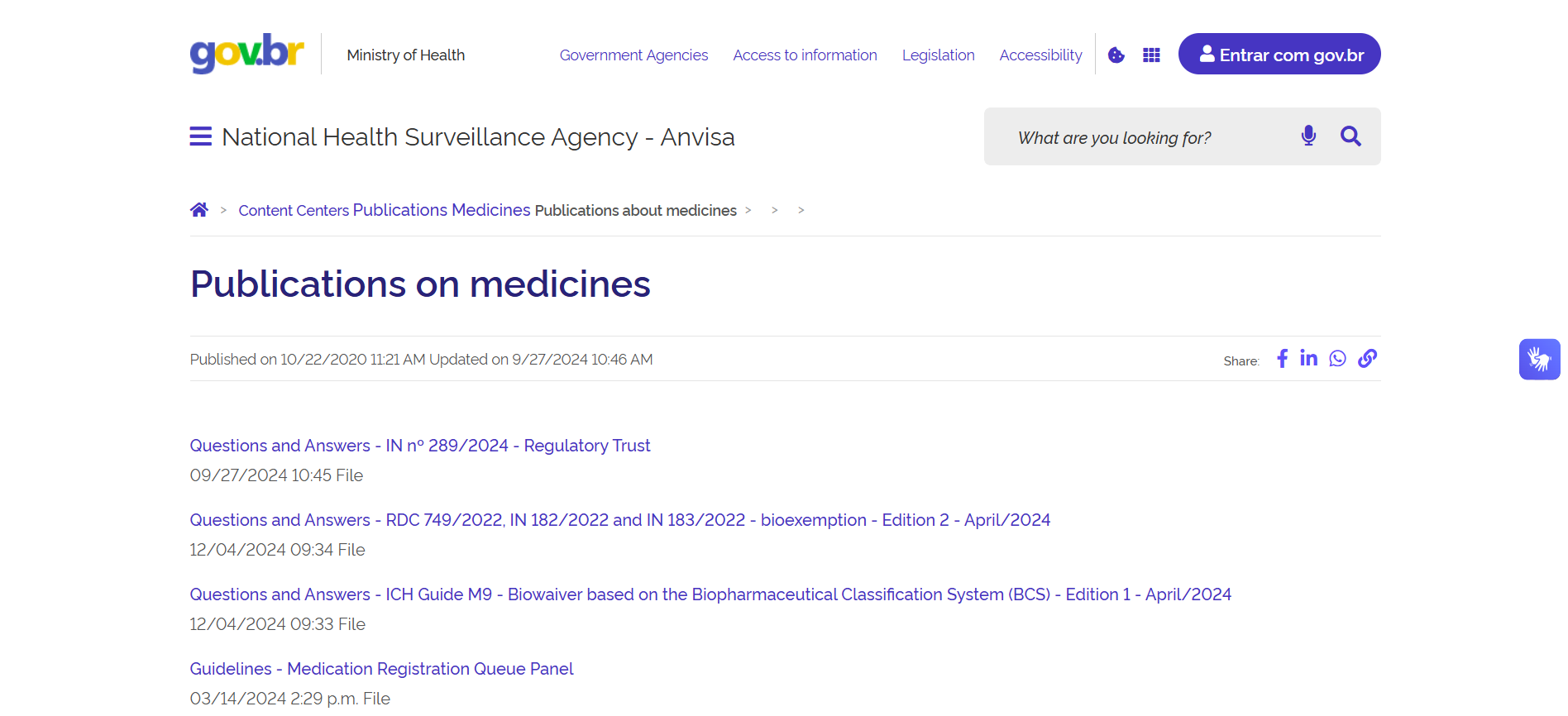
PUBLICATIONS ON MEDICINE

Probably all of these materials can be found also in the library, but this section only contains guidance, guidelines, Q&A on some laws and regulations etc., but not articles or studies as such.

Visit the section >

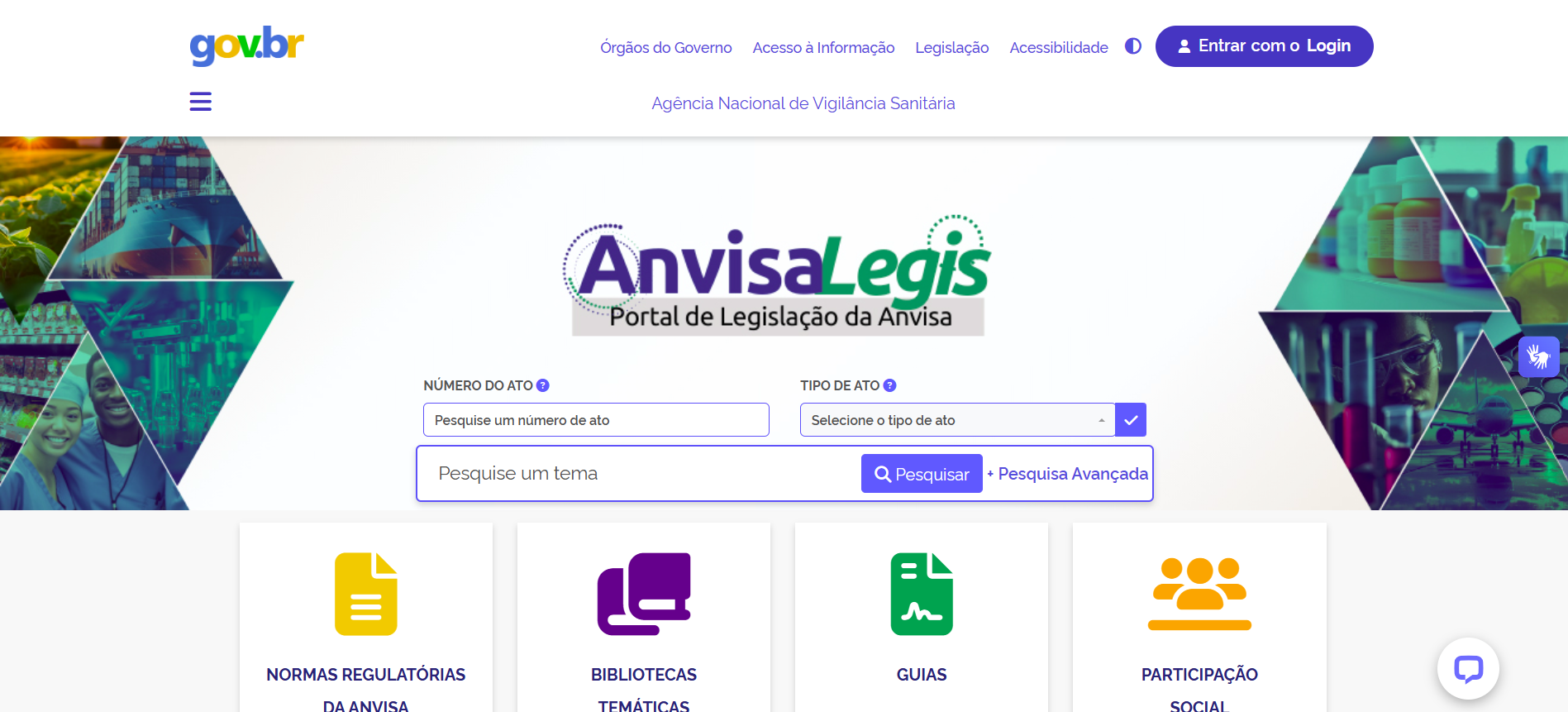
LIBRARY OF LAWS

Here you can search for various acts and topics regarding health policy, also some guidelines are there as well. If you cannot find what you’re looking for here, use the link for Brazilian laws at our laws section below.

Visit the section >

Other important institutions & industry groups
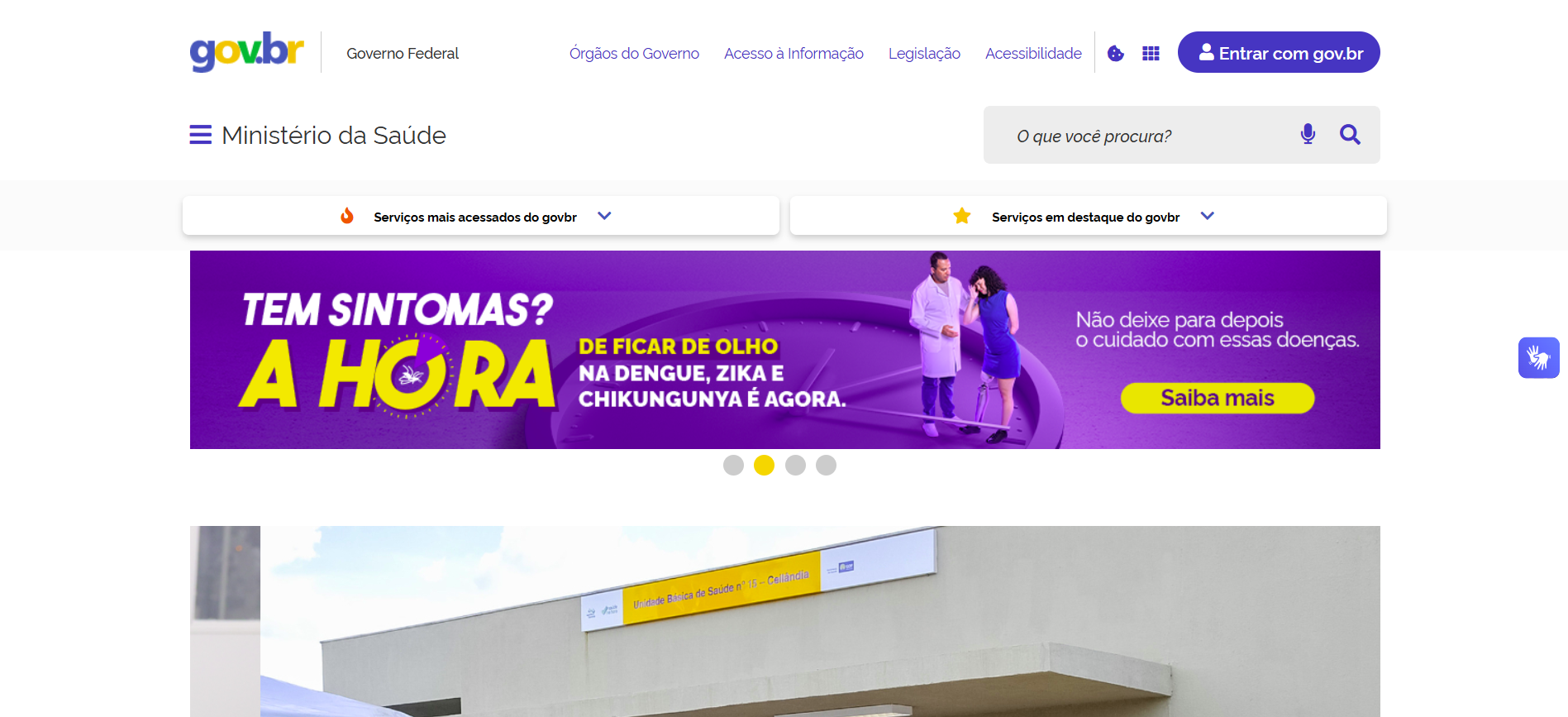
MINISTRY OF HEALTH (Ministério da Saúde)

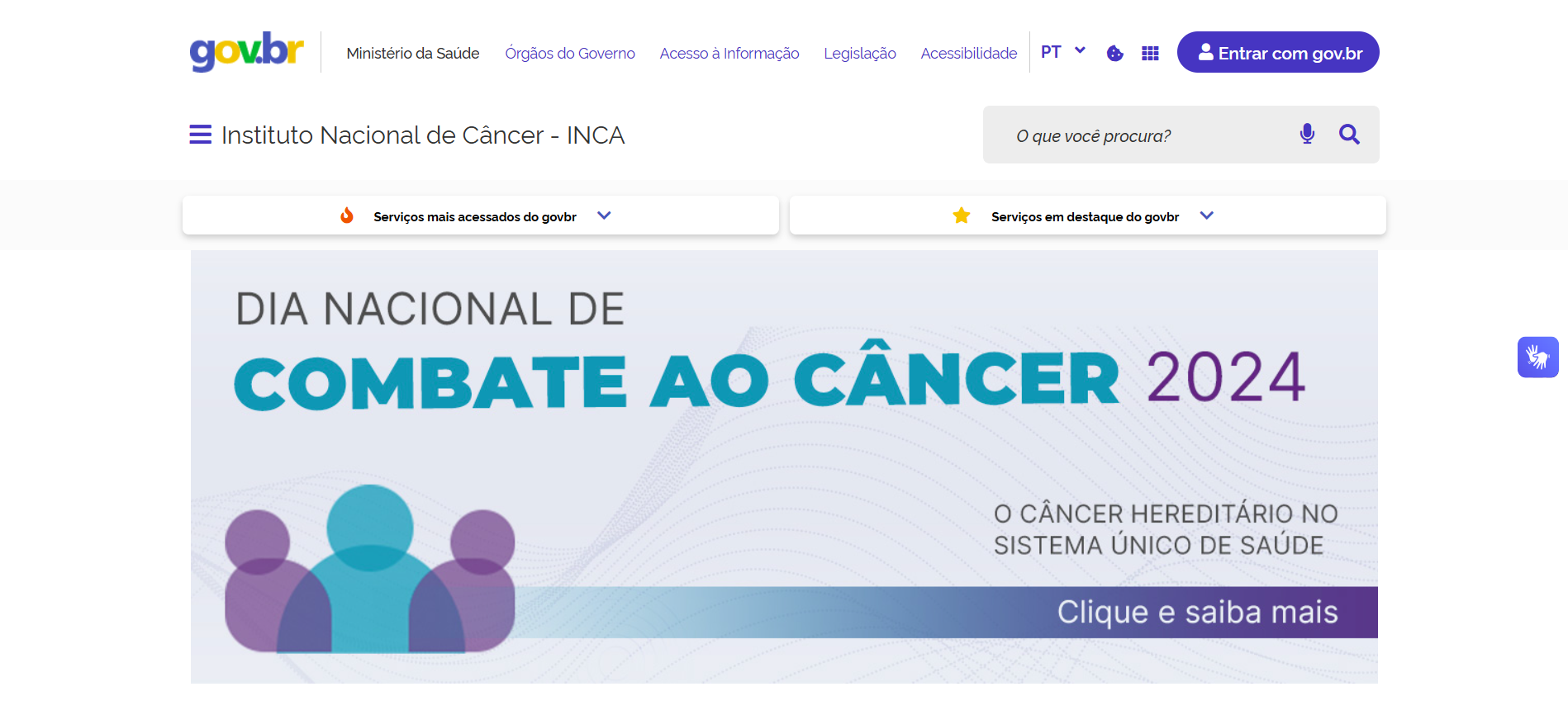
A crucial cabinet-level federal ministry responsible for the formulation and implementation of health policies and programs in the country. Nontheless it is also responsible for overseeing the healthcare system, ensuring that citizens have access to high-quality healthcare services.

Very comprehensive website, but unfortunately only in Portuguese. If you want get a cleaner picture about Brazilian Health System (SUS), head in to this section to see the structure, principles or glossary. There are many interesting ongoing campaigns and projects, such as Farmácia Popular do Brasil Program (PFPB), which is a federal initiative that enhances access to essential medicines for primary healthcare or Novo PAC Saudé, that should significantly enhance healthcare services through Brazil’s Unified Health System. To get the latest news see this section.

Ministry’s website: https://www.gov.br/saude/pt-br

FUNDAÇÃO OSWALDO CRUZ (Fiocruz)

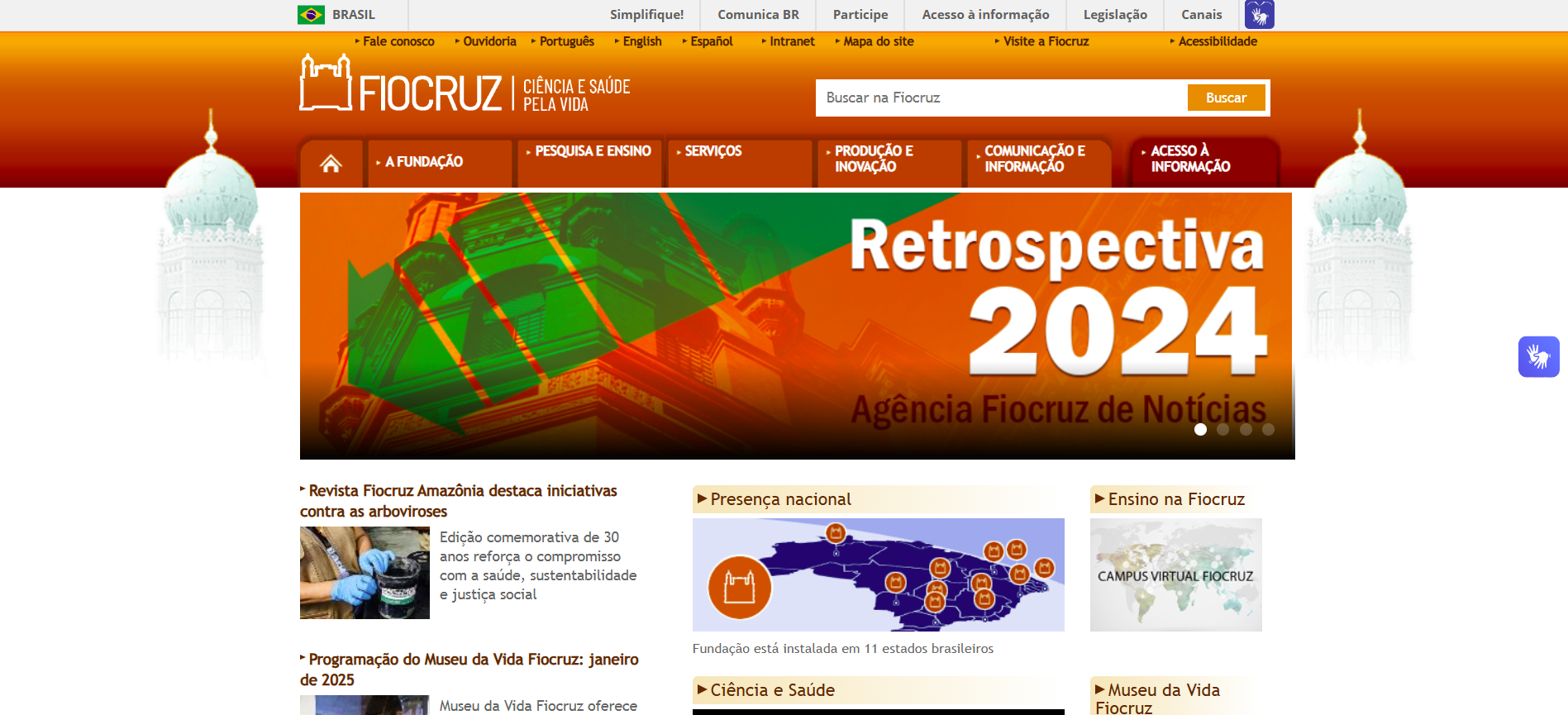
Fiocruz is a prominent public health institution that conducts research, education, and production of vaccines and medicines. It is linked to the Ministry of Health and plays a vital role in public health initiatives and the development of health policies in Brazil.

At first glance, the site offers a lot of content, but upon closer inspection we find that it is rather a lot of general information (at least in the English version of the site). But there are many links on various bulletins and magazines regarding health area. You can also visit their news section, where interesting articles or notifications can be found, from time to time to some studies like this one, that found that providing income support significantly lowered the number of deaths from tuberculosis.

Fiocruz’s website: https://portal.fiocruz.br/

INSTITUTO NACINAL DE CÂNCER (INCA)

The National Cancer Institute focuses on cancer prevention, treatment, and research. It provides information and resources to improve cancer care and is involved in national cancer control policies.

The information from which area of health you can find here is probably quite clear from its title. For starters we can mention this large library of publications, where you can many scientific materials regarding various types of cancer, we recommend to use the Portuguese version, since it contains much more the English one. If you want to get the general information about cancer head into this section, and to stay in picture do not forget about the latest news from INCA, accessible from this link. Also some educational infographics are at your disposal here.

INCA’s website: https://www.gov.br/inca/pt-br

ASSOCIATION OF PHARMACEUTICAL RESEARCH-BASED INDUSTRY (INTERFARMA)

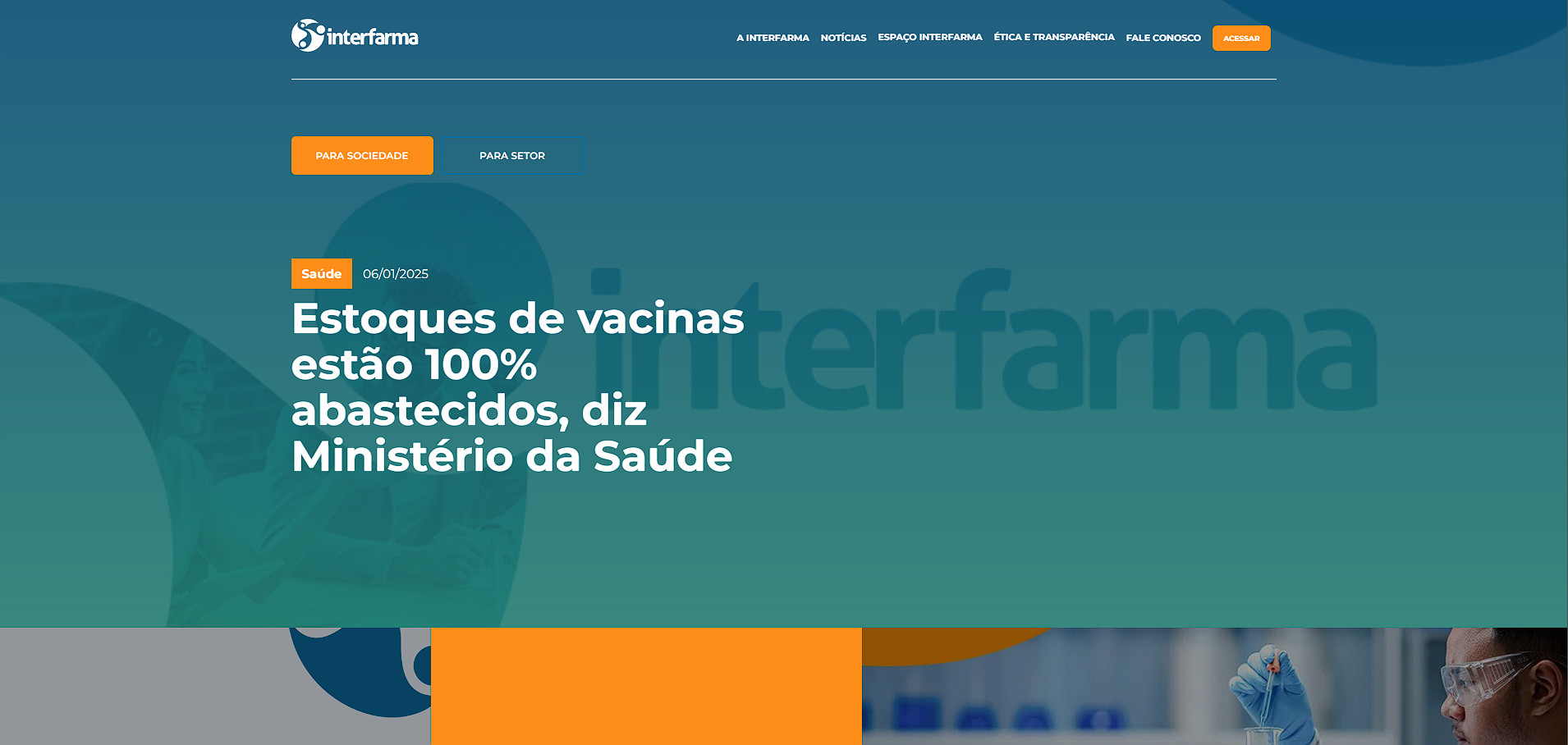
Interfarma represents research-based pharmaceutical companies in Brazil and accounts for at least half of the domestic pharmaceutical market. It promotes patient support programs, research and innovation, and educational campaigns for health professionals.

You can visit their news section to find out what the company is working on, what they want to change, etc. They also have blog, where you can read about technologies, innovations or some diseases. Otherwise (except Code of Conduct), there’s not much interesting content on their site furthermore.

Interfarma’s website: https://www.interfarma.org.br/

Some of the most important laws

Basic legislation

Federal Law No. 6360/1976

This law established the regulatory framework for health surveillance of medications, drugs, and healthcare products in Brazil.

Resolution RDC No. 406/2020

This resolution outlines Good Pharmacovigilance Practices (GVP) and sets forth the requirements and responsibilities for Marketing Authorization Holders (MAHs)


      Guidelines

      Clinical Protocols and Therapeutic Guidelines – PCDT

      PCDTs are essential documents that outline how to diagnose health issues, recommend treatments and medications, specify dosages, and establish monitoring mechanisms, all based on scientific evidence to ensure safety and effectiveness for the Unified Health System (SUS) managers.

      Local pharmacovigilance specifics

      Useful abbreviations to know

      If you want to study local materials about pharmacovigilance in Brazil, following terms will be helpful for you to get familiar with:

      RPBR (Relatórios Periódicos de Avaliação de Benefício-Risco)
      → Periodic Benefit-Risk Assessment Reports / must be submitted periodically for vaccines 

      ANVISA (Agência Nacional de Vigilância Sanitária)
      → The Brazilian Health Regulatory Agency / main authority on pharmacovigilance

      SUS (Sistema Único de Saudé)
      → Brazilian Unified Public Health System

      CVS (Centros de Vigilância Sanitária)
      → Health Surveillance Centres / part of PV system and Brazil’s Health System overall

      Is Qualified Person Responsible for Pharmacovigilance needed?

      Yes, Brazil’s ANVISA requires companies to designate a Qualified Person Responsible for Pharmacovigilance (QPPV), who must reside in Brazil.

      According to the regulations established in Resolution RDC No. 406/2020 and Normative Instruction IN No. 63/2020, each Marketing Authorization Holder (MAH) must appoint a QPPV who is responsible for all pharmacovigilance activities related to their products.

      How can be adverse events reported in Brazil?

      ANVISA provides an online reporting form called Notivisa for healthcare professionals and consumers to submit ADR reports. Once the form is completed, it can be submitted electronically through the system.

      Local medical journals to screen

      Here are few examples of Brazilian local literature that medical authorization holders should monitor:

      THE BRAZILIAN JOURNAL OF MEDICAL AND BIOLOGICAL RESEARCH (BJMBR)

      An open-access journal that publishes original research in the fields of biology and medicine, making scientific knowledge accessible to a wider audience.

      It is particularly valuable for those interested in research from developing countries, as it showcases significant contributions to the global scientific community.

      ISSN: 1414-431X

      Check journal website >

      BRAZILIAN JOURNAL OF CLINICAL MEDICINE REVIEW (BJCMR)

      It focuses on providing comprehensive reviews on various clinical topics, which are essential for healthcare professionals seeking to stay updated on the latest evidence-based practices.

      This journal is a great resource for clinicians looking for in-depth analyses that can enhance patient care.

      ISSN: 2965-0968

      Check journal website >

      SÃO PAULO MEDICAL JOURNAL

      This journal is dedicated to publishing high-quality research articles, case reports, and reviews that contribute to medical knowledge and practice in Brazil and beyond.

      Its emphasis on clinical relevance makes it a must-read for healthcare practitioners who want to apply the latest research findings in their work.

      ISSN: 1806-9460

      Check journal website >

      THE BRAZILIAN JOURNAL OF HEALTH REVIEW

      It aims to provide insights into public health issues, health policies, and epidemiological studies that affect the Brazilian population.

      It is particularly useful for researchers and policymakers interested in understanding health trends and challenges in Brazil.

      ISSN: 2595-6825

      Check journal website >

      Rather then spending your budget for hours of repetitive manual work to monitor those sources, we recommend to simply automate this task using our Tepsivo Literature solution.

      Learn how to screen automatically >

      Other interesting resources

      ANVISA's clinical research report

      Annual clinical research report 2023

      This report detailis the key clinical research activities related to medicines and biological products in Brazil, it also emphasizes the importance of clinical research in drug development.

      Scientific publications regarding pharmacovigilance

      Electronic Reporting Systems in Pharmacovigilance: The Implementation of VigiFlow in Brazil

      This study dives into Brazil’s transition to a new pharmacovigilance system, VigiFlow, which aims to enhance drug safety monitoring across the country. Readers can expect an insightful exploration of the challenges and successes faced during this implementation.

      Challenges to the consolidation of pharmacovigilance practices in Brazil: limitations of the hospital pharmacist

      This study uncovers the significant challenges faced by hospital pharmacists in Brazil as they navigate the complex world of pharmacovigilance and adverse drug reaction reporting. Readers will discover insights into the barriers these professionals encounter and the vital role they play in enhancing drug safety, along with recommendations for improving collaboration with regulatory agencies to strengthen the system.

      Pharmacovigilance of thalidomide in the Brazilian Health System and patient safety

      This study sheds light on the ongoing challenges of thalidomide use in Brazil, revealing a troubling culture of underreporting adverse effects despite the drug’s serious risks. Readers will find a compelling exploration of the gaps in communication between healthcare providers and regulatory agencies.

      interesting resources

      WHO Data about Brazil

      This page contains basic staticsits about Brazil in various fields such as Population, Life expectancy or Health statistics.

      Antibiotic consumption in Brazil

      The research aimed to identify trends in antibiotic consumption across Brazil’s 27 states, grouped into five regions, during years 2014-2019. One of the authors of this study is Mônica da Luz Carvalho Soares from Anvisa’s Pharmacovigilance Department.

      Do you need some help with putting the Brazilian PV System together? We’re here for you.

      And while you’re here…

      …consider also our global end-to-end PV solution!

      Thanks to the Tepsivo platform, you can get a full pharmacovigilance system in all countries you need – for a fraction of the usual budget.

      Tepsivo Oy | Urho Kekkosen katu, 4-6 E, 00 100, Helsinki, Finland | VAT number FI31367614 | contact@tepsivo.com  | +358 402 204 698 | Privacy policy